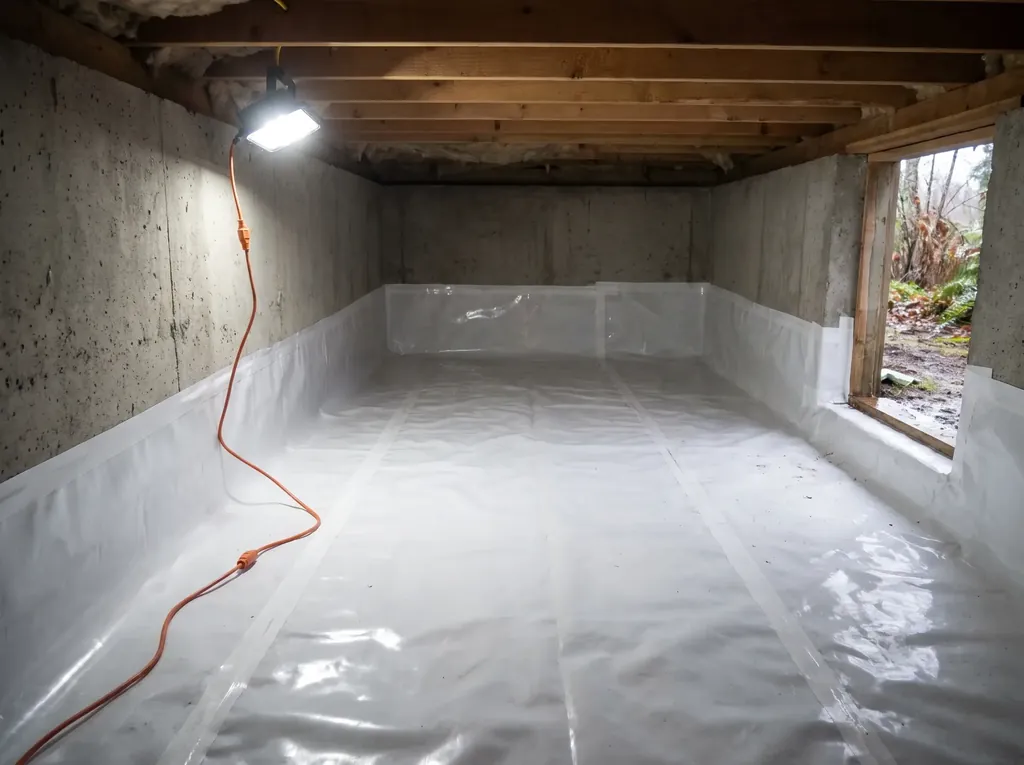
Crawl Space Encapsulation
Ground and walls lined and sealed, perimeter insulated, plus the radon system and continuously running exhaust fan Washington's code requires. The right call for some homes, not all.
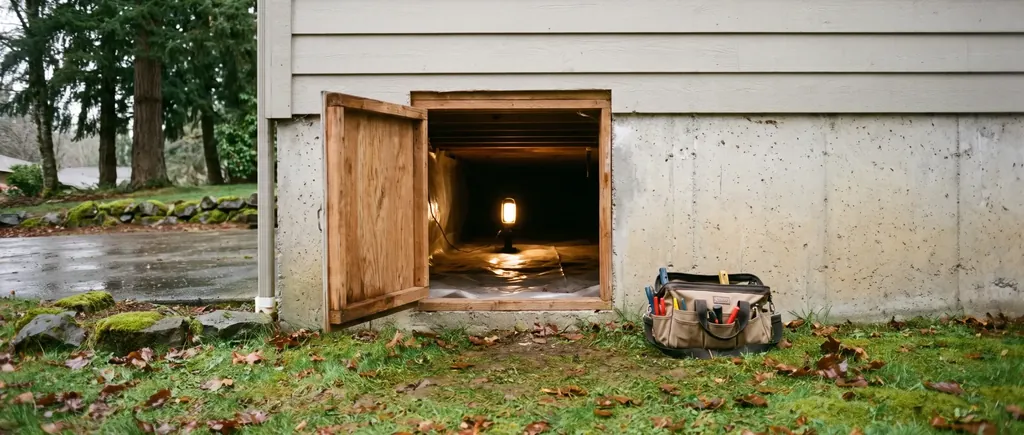
Everything that keeps water and damp out from under the house, from a new vapor barrier to a fully sealed crawl space. Water source first, every time.
A torn vapor barrier, a sump pump that never stops and a basement wall that seeps every November look like three separate problems. Underneath, they can trace back to the same thing: water getting to the house and nowhere for it to go. So the order of work is always the same. Find the water, stop it at the source, then deal with the crawl space or basement.
That is also why a full encapsulation is not where we start. A small Washington study of new homes found vented crawl spaces can perform adequately in the Northwest when the site water is managed properly. We will tell you when a vapor barrier and a drainage fix are enough, and when sealing the crawl space is worth it.
Ground and walls lined and sealed, perimeter insulated, plus the radon system and continuously running exhaust fan Washington's code requires. The right call for some homes, not all.
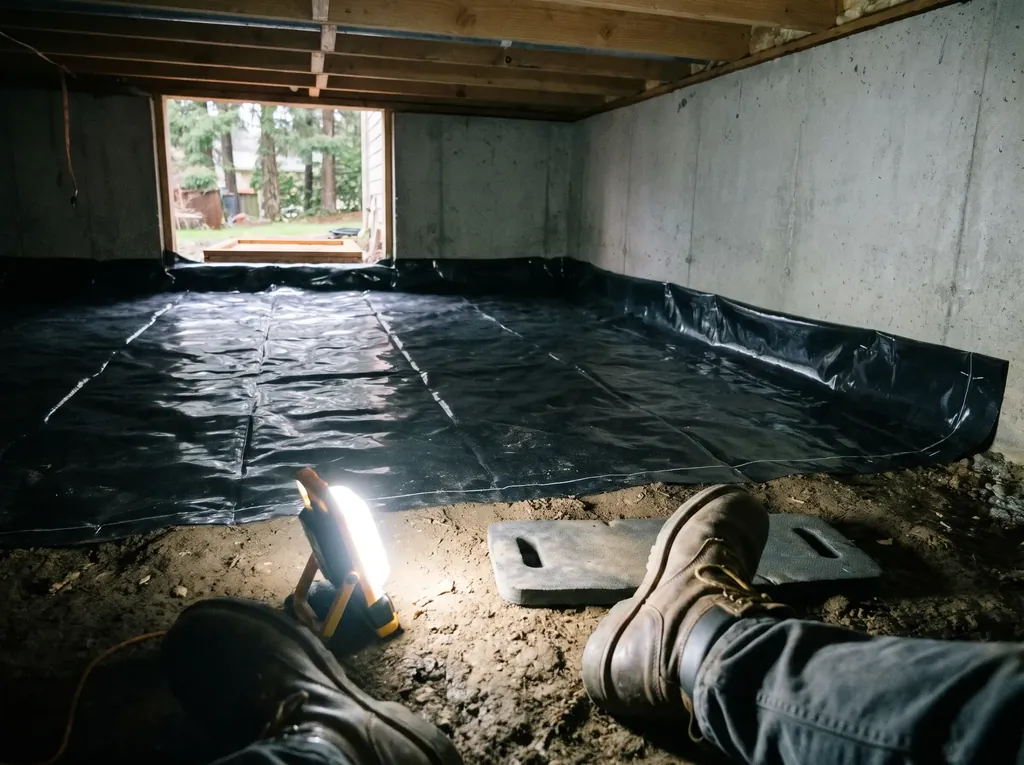
Failed plastic out, new ground cover in, overlapped at every joint and carried to the foundation walls and around each pier.
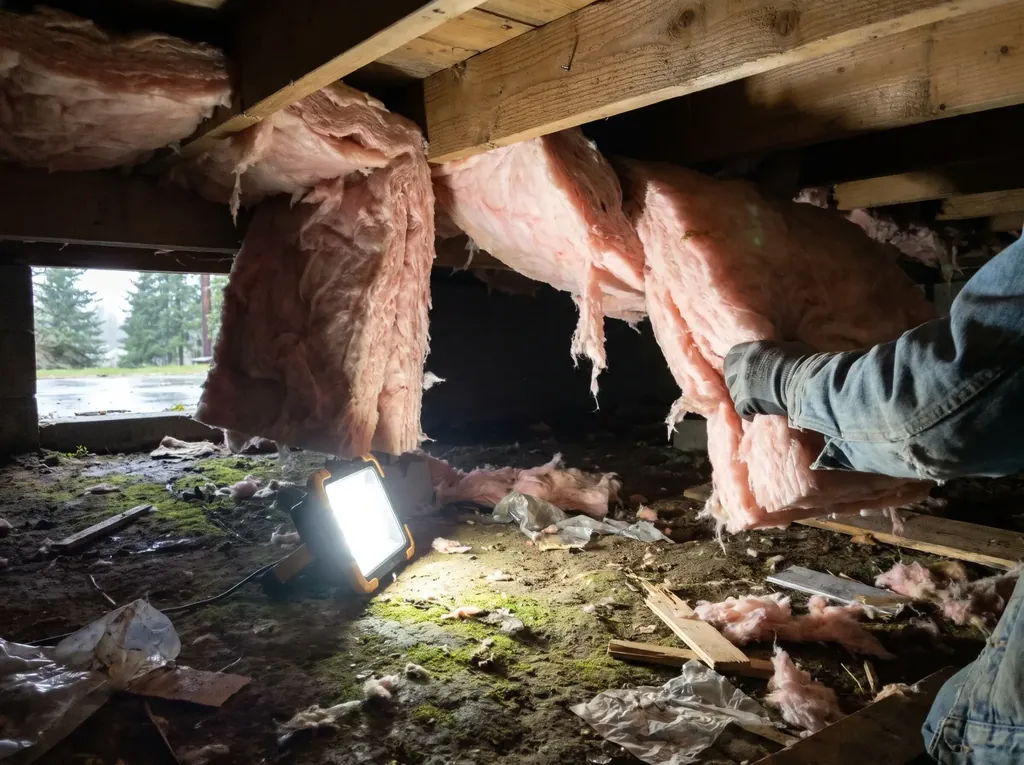
Old debris, fallen batts and rodent-soiled material bagged and hauled out, with droppings handled the careful way the state health department describes.
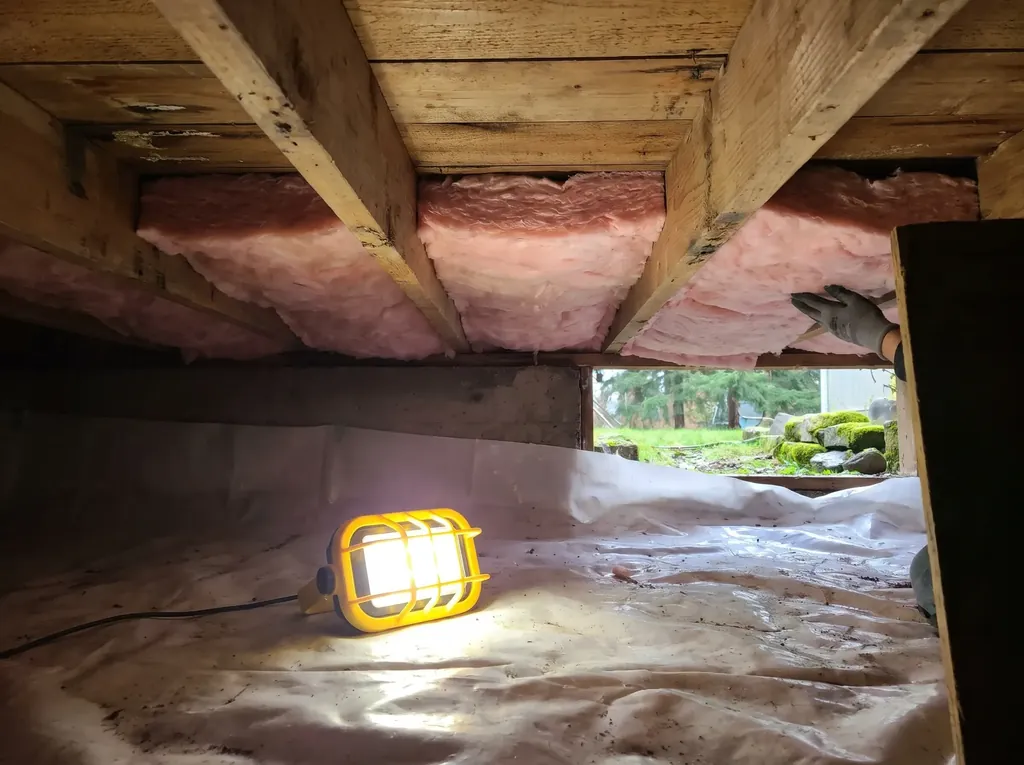
Underfloor insulation held tight to the subfloor in a vented crawl space, or wall insulation in a sealed one.
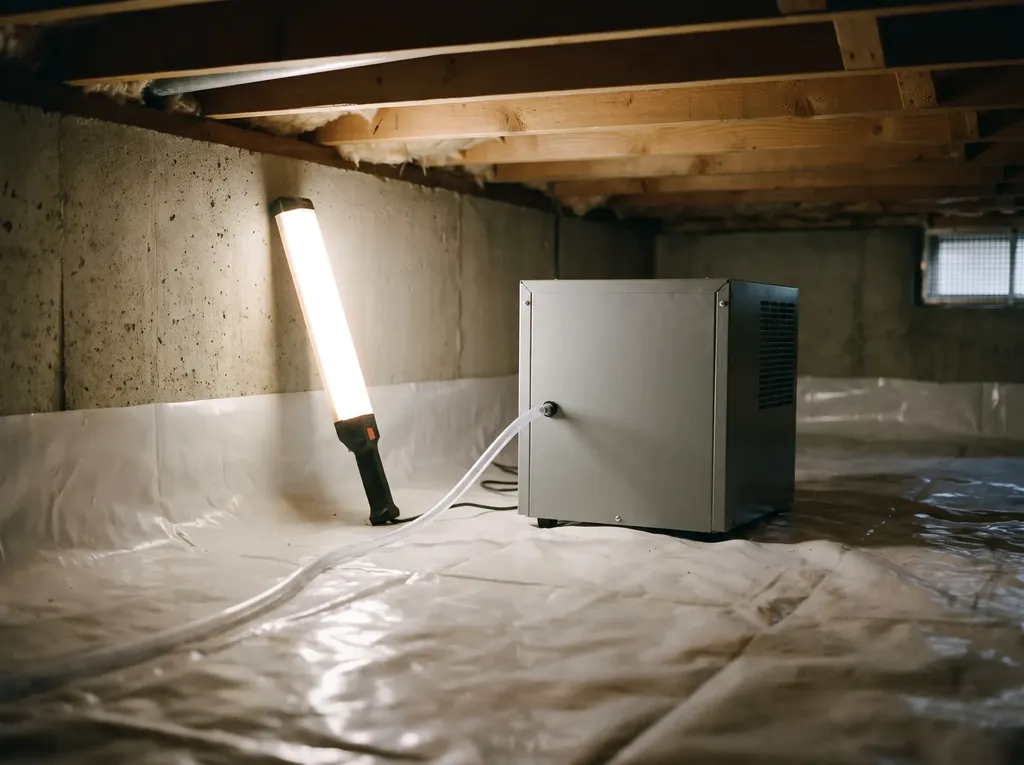
For sealed crawl spaces that still run damp, a unit sized to the space with a drain line that takes the water out.
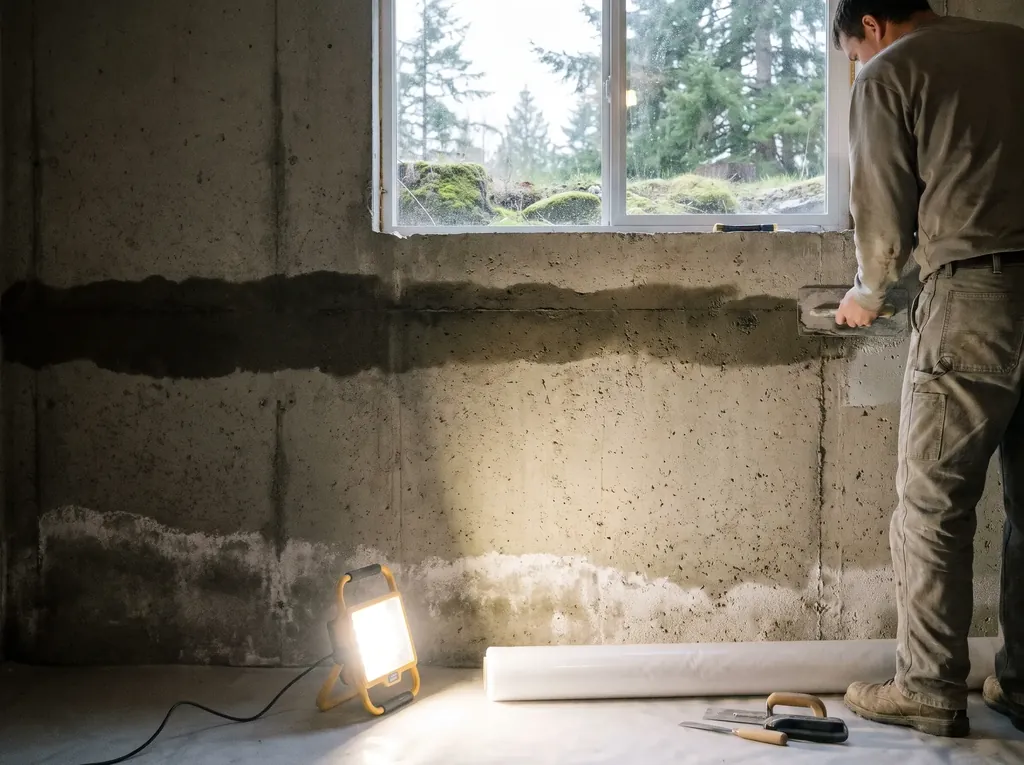
For damp walls and wet floors: the cause found outside first, then drainage inside or along the footing where it is really needed.
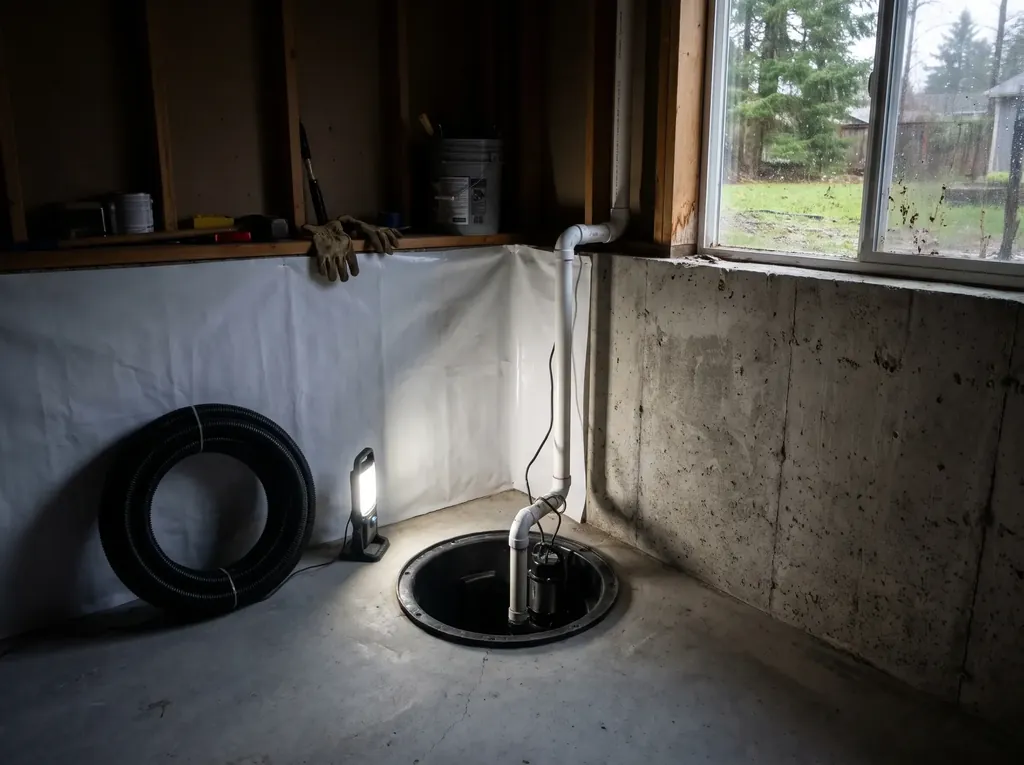
Pits, pumps and discharge lines, plus a sealed lid when the pit sits inside an insulated crawl space.
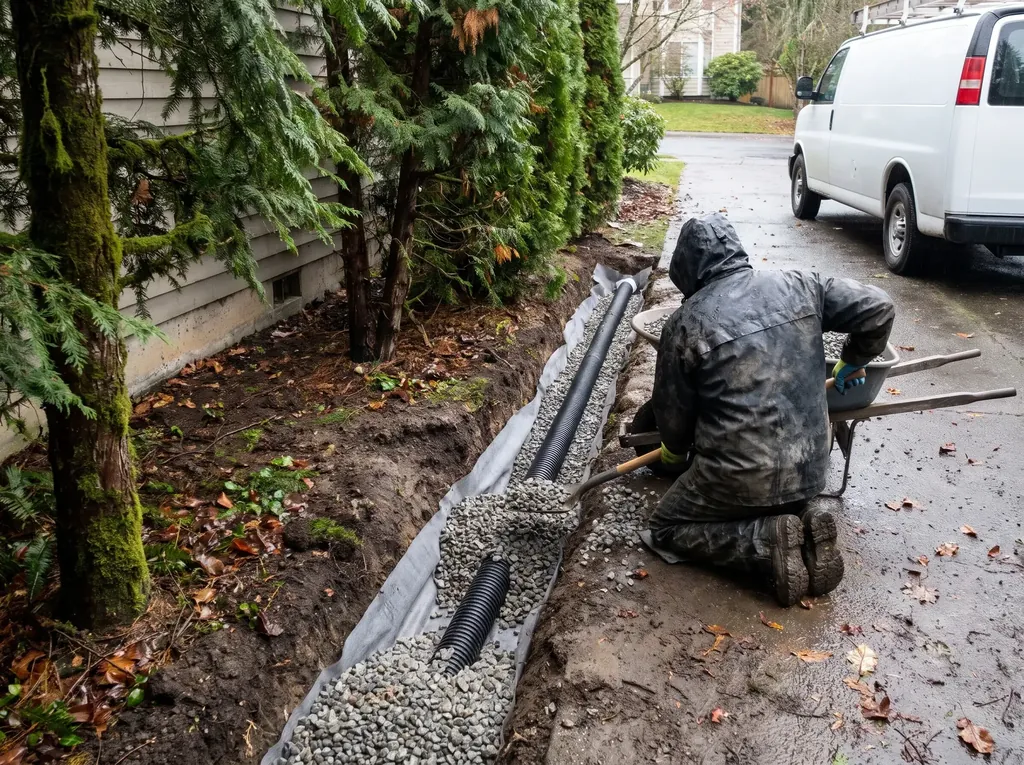
Perforated pipe in washed gravel along the footing, run to an outlet that carries water away from the house.
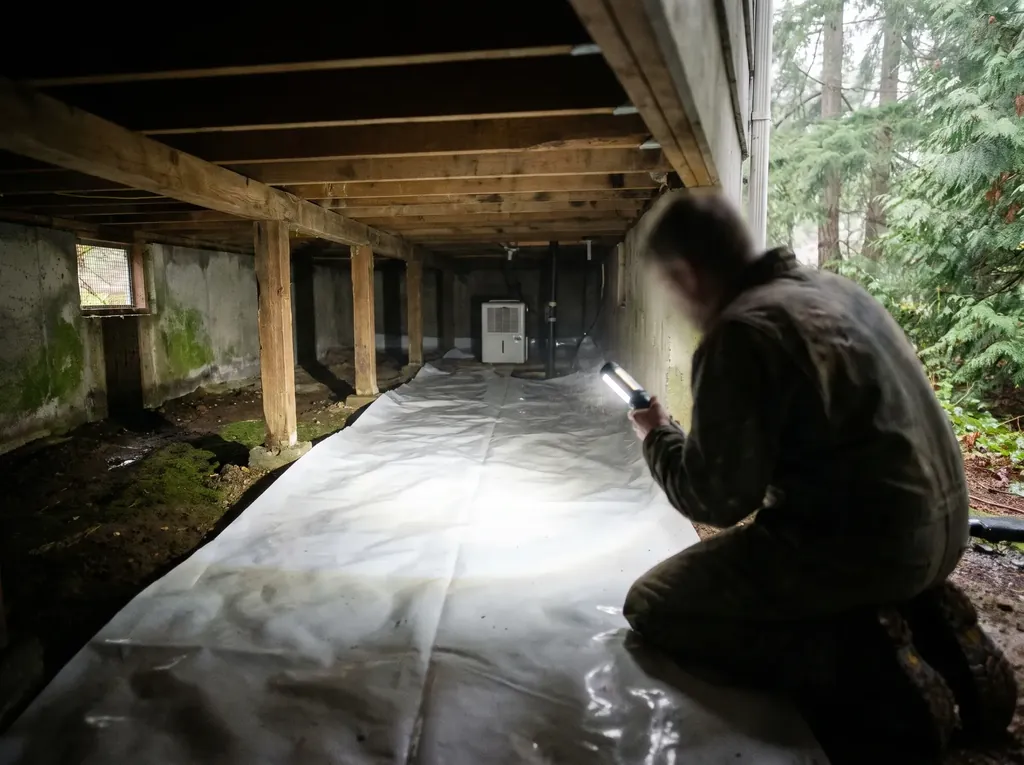
A look under the house, so you know what is there before anyone quotes.
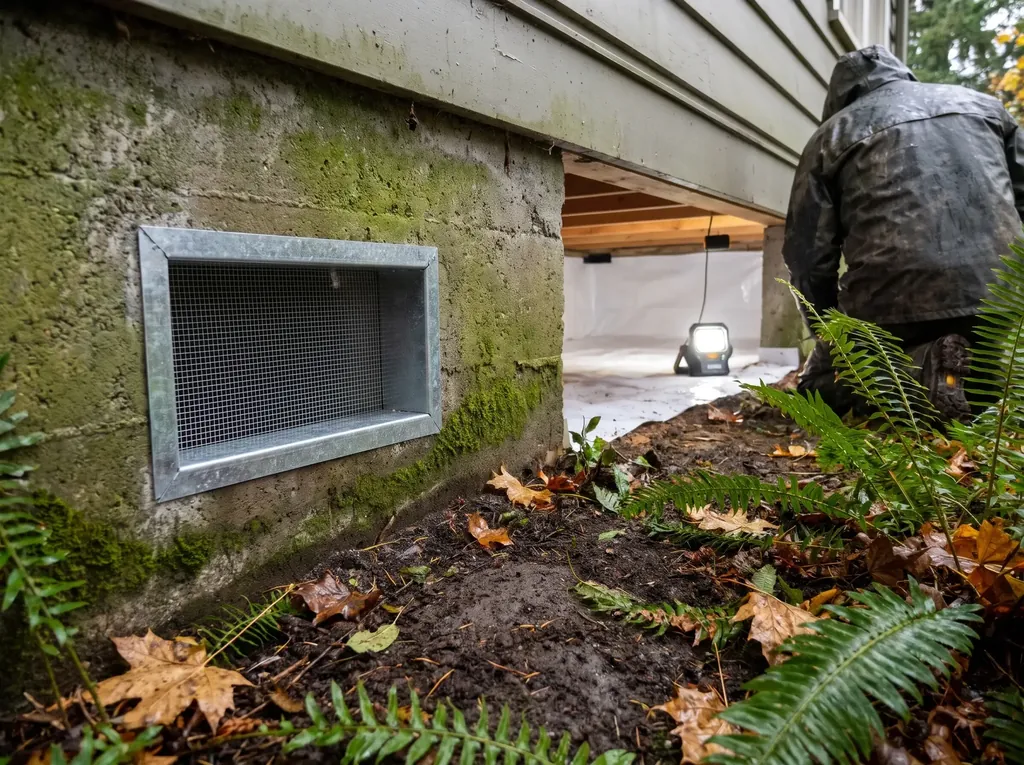
Gaps into the foundation sealed after the pest control company has finished, and soiled material taken out.
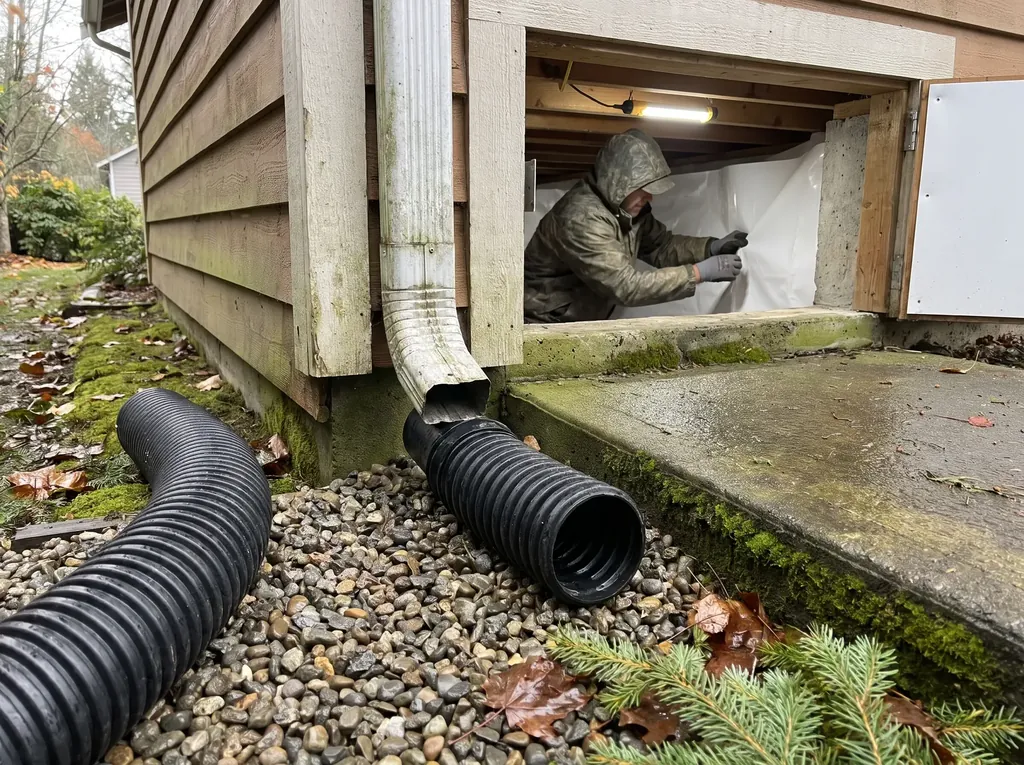
Downspouts piped well clear of the foundation, one of the simplest fixes there is.
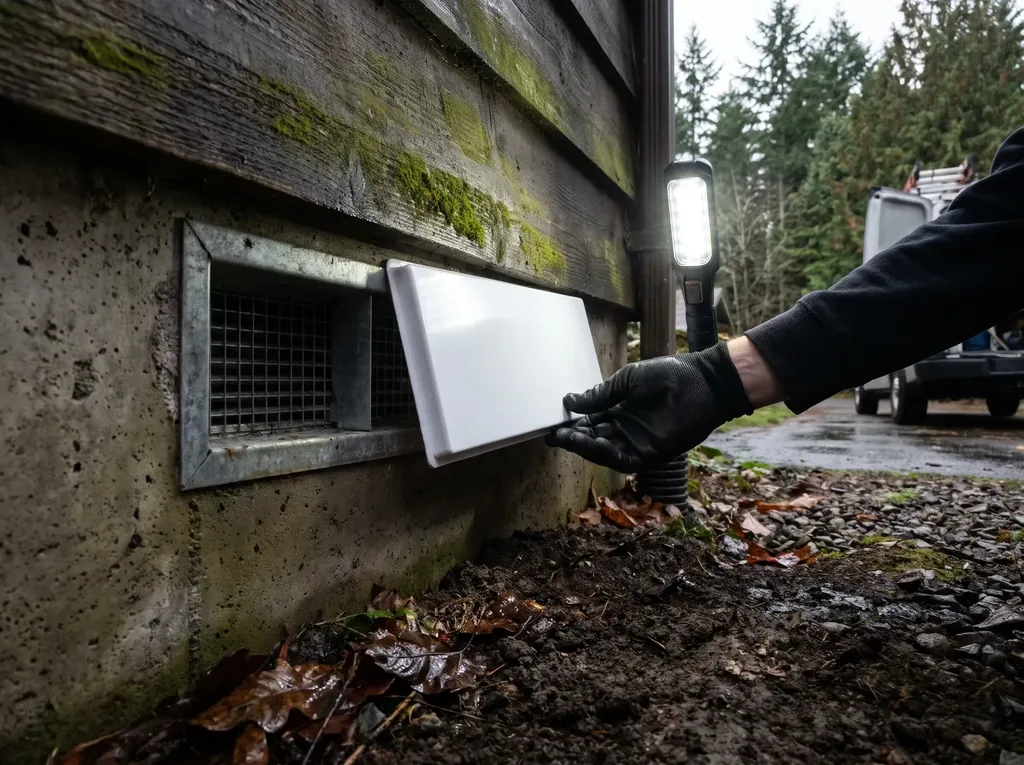
Vent screens and covers, and access hatches insulated and weatherstripped.
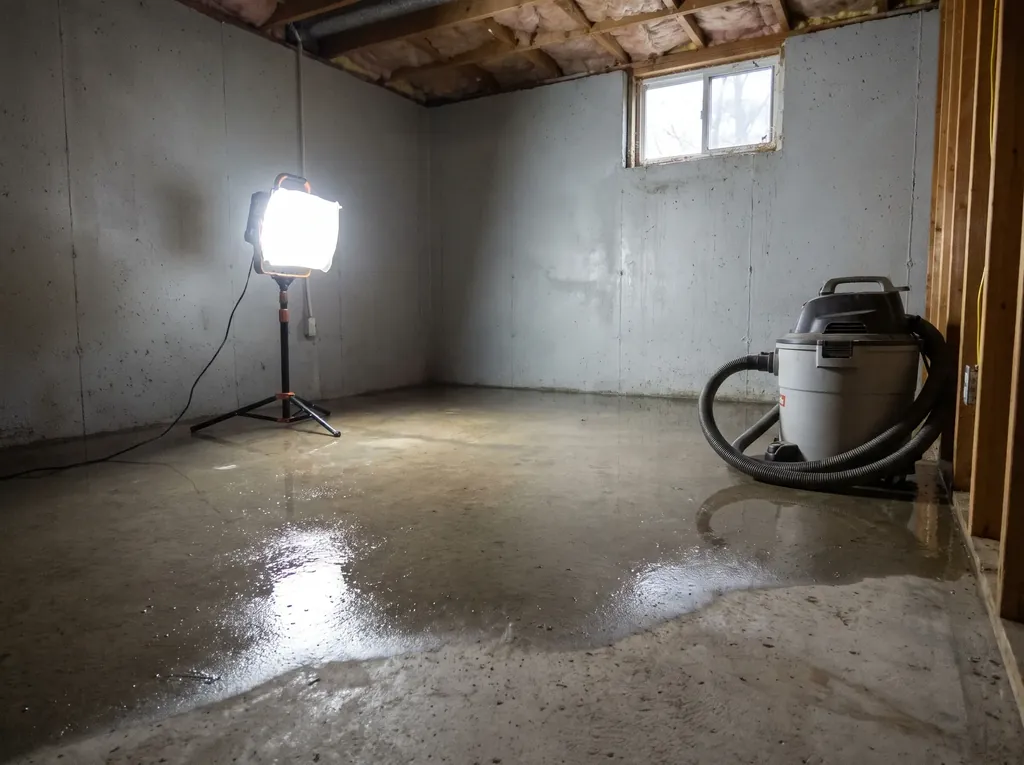
Standing water pumped out and soaked materials removed after a seep or a pump failure.
Send photos or your inspection report, or book a free inspection, and we will tell you what the house needs, and what it does not.
Tell us what is going on under the house or in the basement, and which town you are in.
We will be in touch to book a time to look under the house. If it cannot wait, call (360) 555-0163.
Nothing was sent. Please call (360) 555-0163 and we will set up your free inspection.