Bellingham
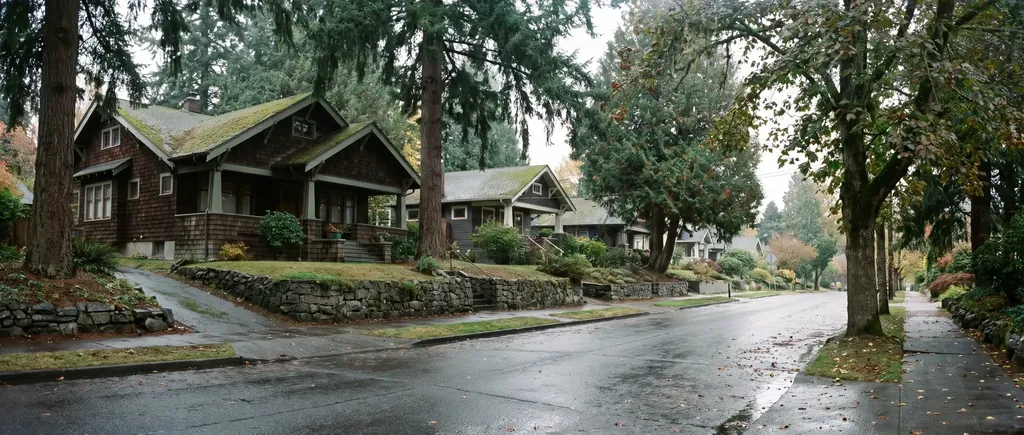
Older homes in Columbia, the Lettered Streets, York, Fairhaven and South Hill, hillside lots where runoff comes downhill toward the house, and newer homes in Cordata and King Mountain.
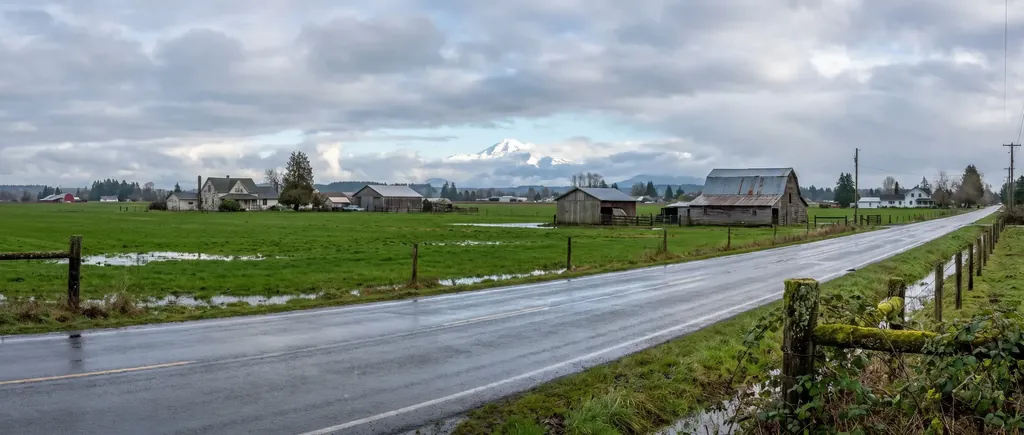
From hillside lots in Bellingham to farmhouses on the valley floor and cabins by the bay.
Bellingham International Airport averages about 35 inches of precipitation a year, and the foothills toward Mount Baker get more. What it does when it reaches a house depends on the ground the house sits on.
On a slope, water comes downhill toward the foundation and the job is catching it before it arrives. On flat valley ground, water has fewer obvious places to go, so finding an outlet is the hard part. Older homes have had longer for ground covers to tear and insulation to drop. Second homes can sit closed up while something goes wrong underneath.
We work all of it, and the approach is the same everywhere: find where the moisture is coming from, fix that, and only then talk about liners and machines.
Older homes in Columbia, the Lettered Streets, York, Fairhaven and South Hill, hillside lots where runoff comes downhill toward the house, and newer homes in Cordata and King Mountain.
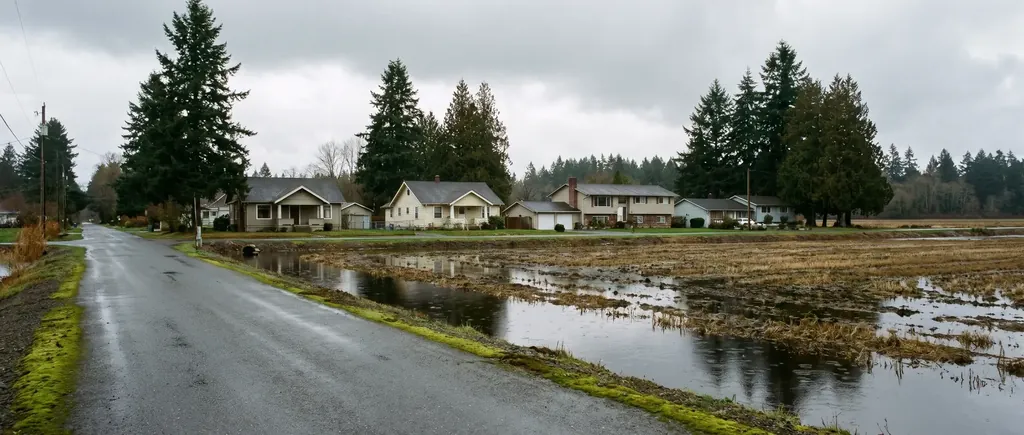
Flat, low-lying ground near the Nooksack River and newer subdivisions, where getting water away from the house takes a plan for where it ends up.
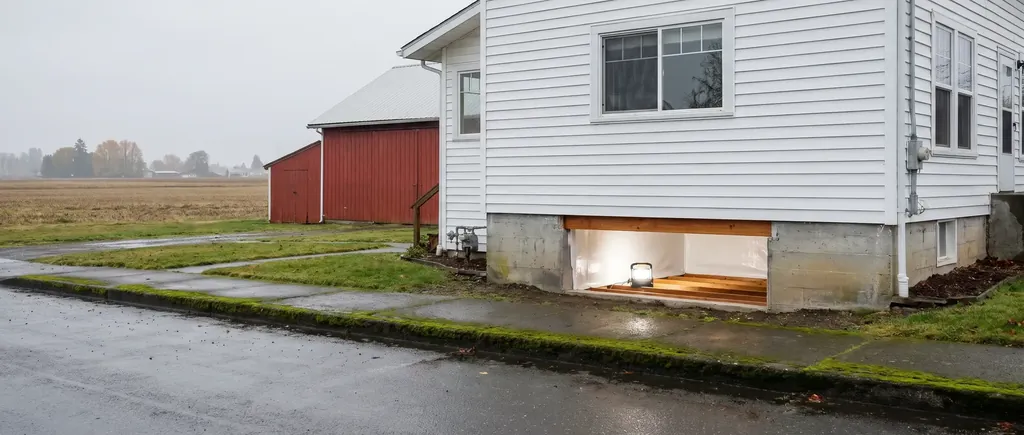
Farm country and established neighbourhoods on flat valley ground, with older farmhouses and newer homes side by side and very different crawl spaces underneath.
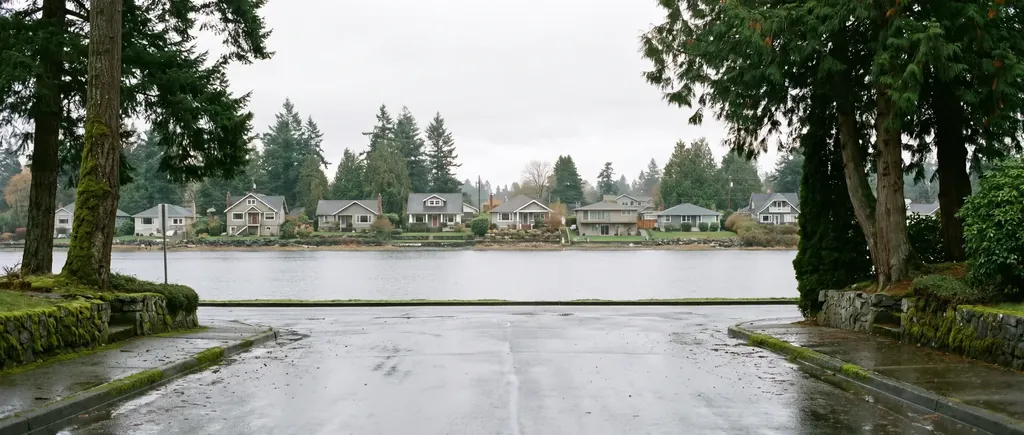
Shoreline homes and cabins around Blaine, Birch Bay and Semiahmoo, including second homes that can sit closed up for weeks at a time.
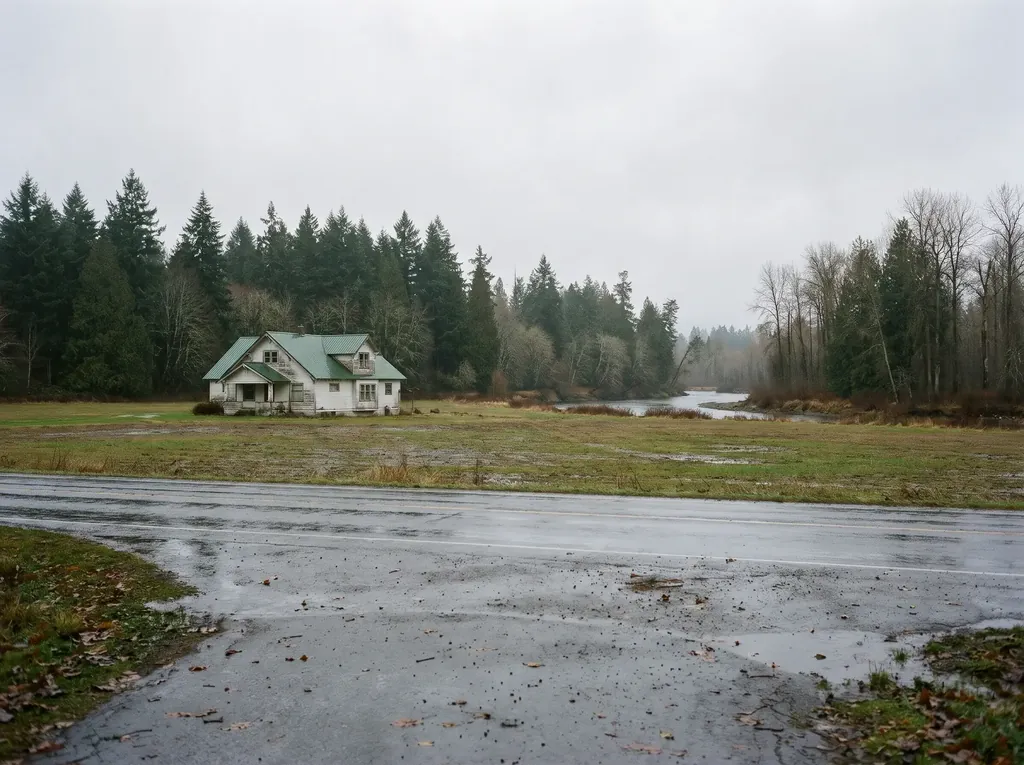
Nooksack valley homes on low ground near the river, where drainage outlets need thinking through.
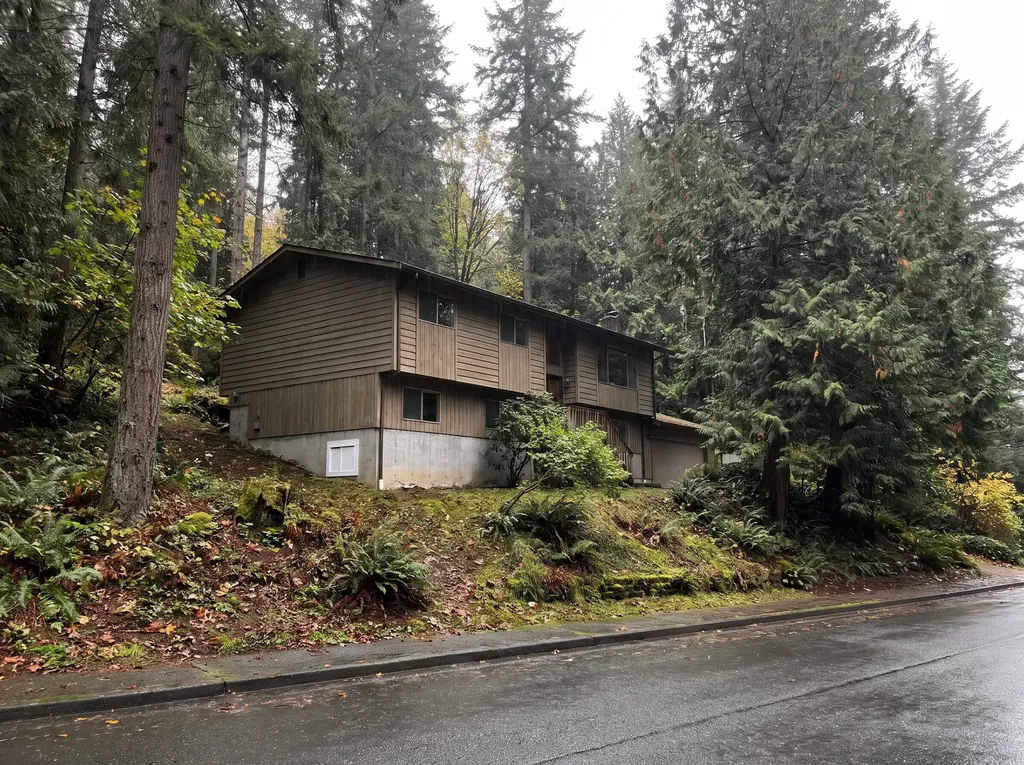
Steep wooded lots above Lake Whatcom where runoff comes down the slope toward the house.
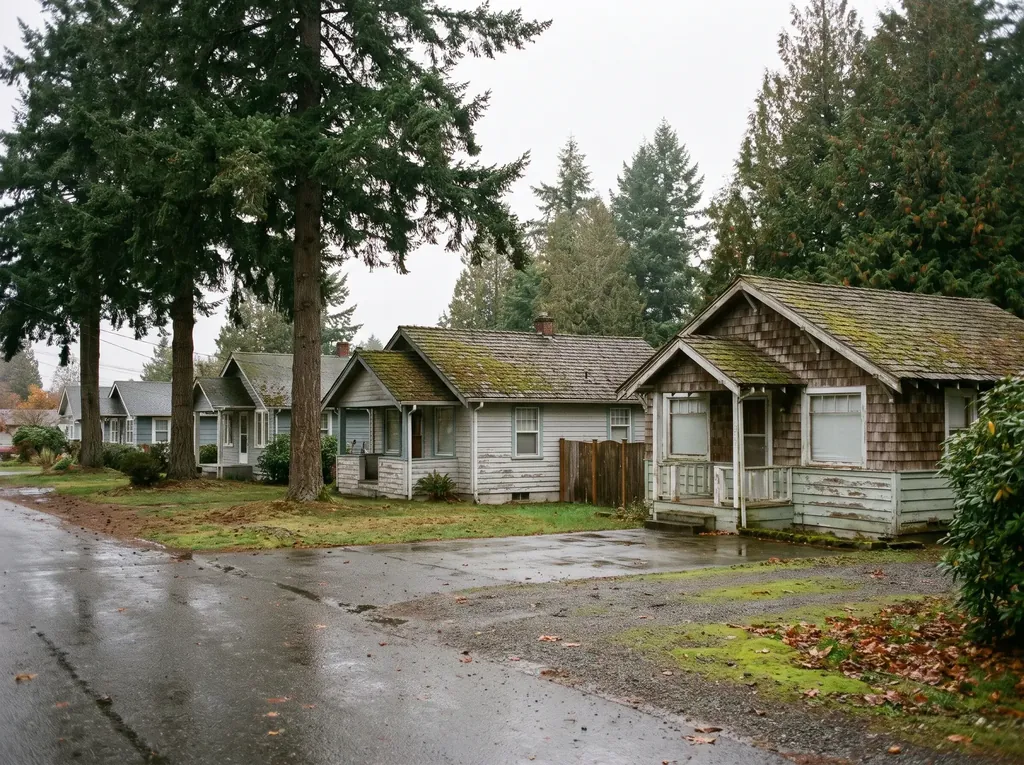
Cottages and vacation homes near the water that can sit closed up for long stretches between visits.
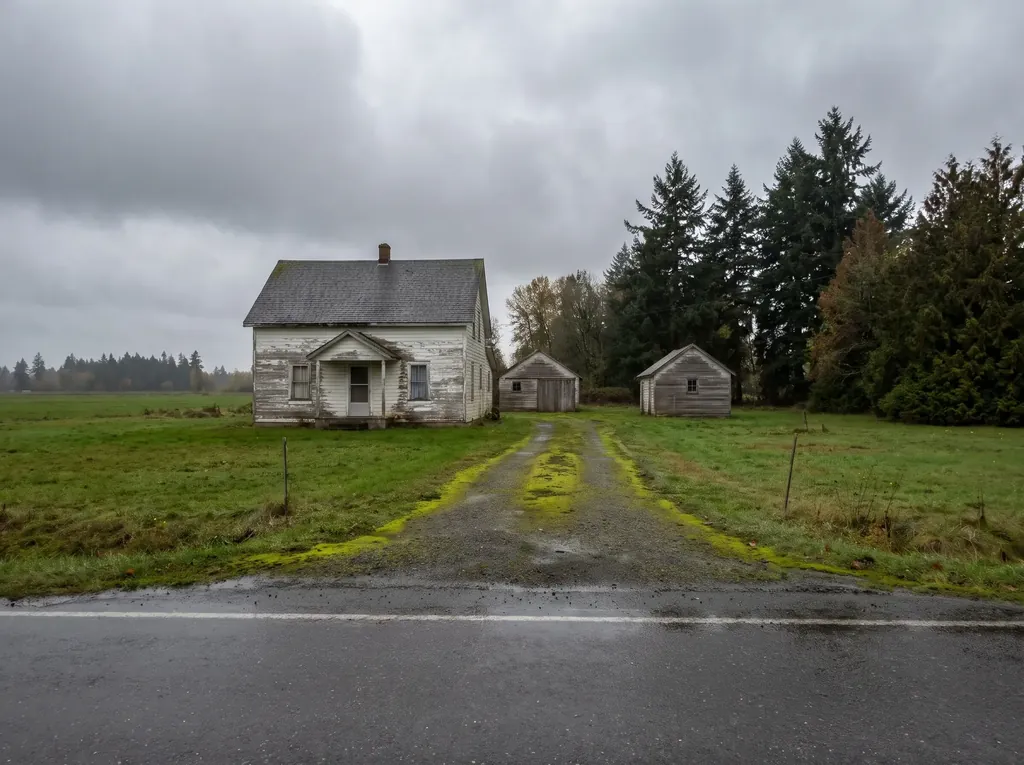
Valley floor homes on flat ground near the border, where water needs somewhere to go.
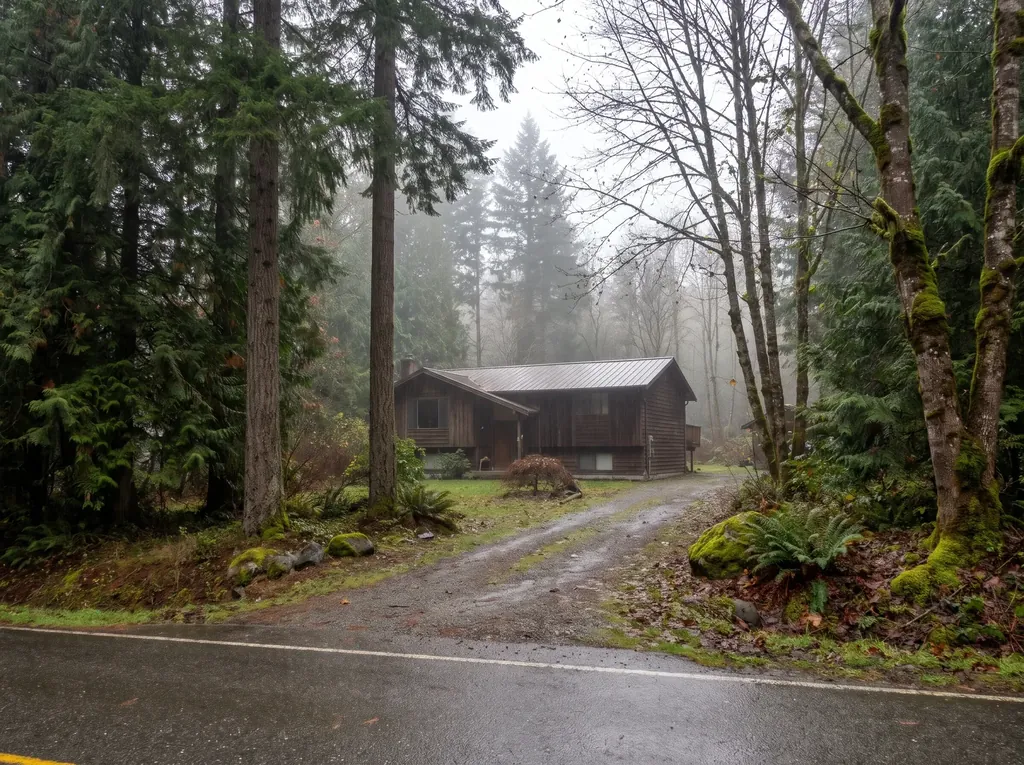
Rural homes in the Mount Baker Highway foothills, where the county gets more rain than the lowlands.
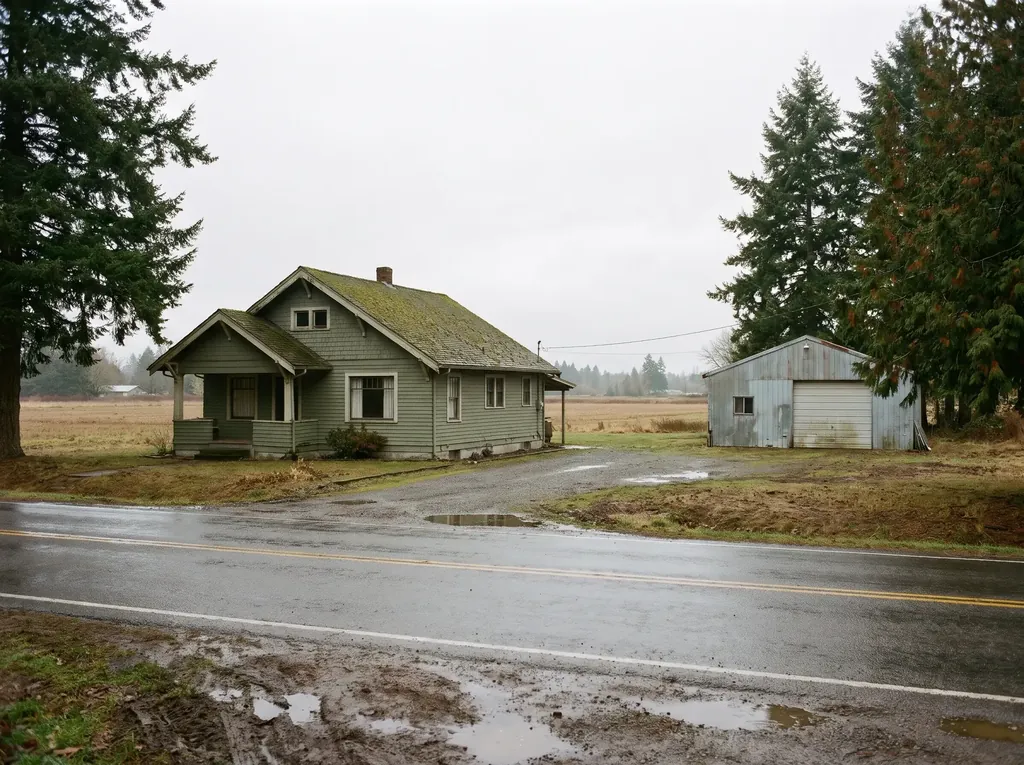
Rural properties between Ferndale and Blaine. Long drives and low hatches are normal work for us.
Rural roads, steep driveways, low crawl spaces and small access hatches are all ordinary work. Tell us about the access when you get in touch, along with any photos or an inspection report you have. It shapes how we plan the visit, not whether we can help.
If you are near the county line and not sure whether we cover you, just ask.
Tell us your town and what is going on under the house. We will confirm we cover you and book a time to take a look.
We will be in touch to book a time to look under the house. If it cannot wait, call (360) 555-0163.
Nothing was sent. Please call (360) 555-0163 and we will set up your free inspection.