New dehumidifiers for sealed crawl spaces
For a crawl space that is already sealed, or one we are sealing as part of an encapsulation, we size a unit for the space, place it, drain it and set it up.
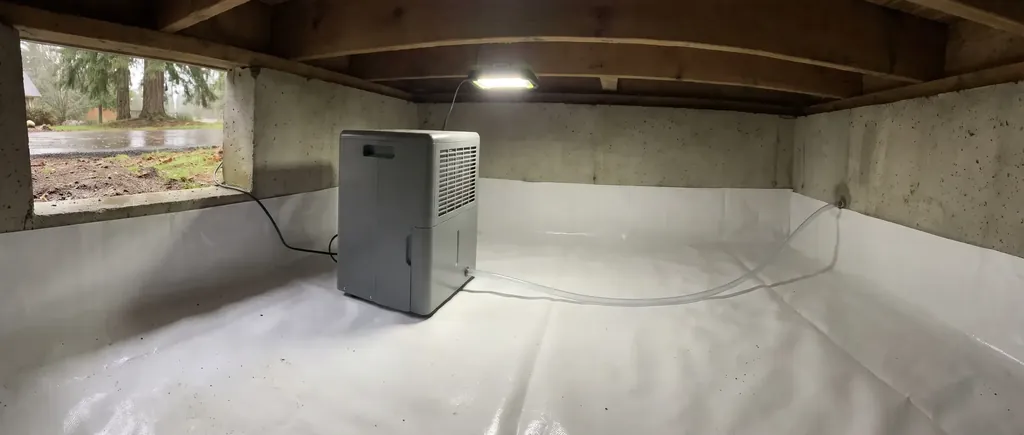
A dehumidifier belongs in a sealed crawl space, sized for it and drained properly. If your crawl space is vented, you probably need something else first, and we will tell you what.
For sealed crawl spaces
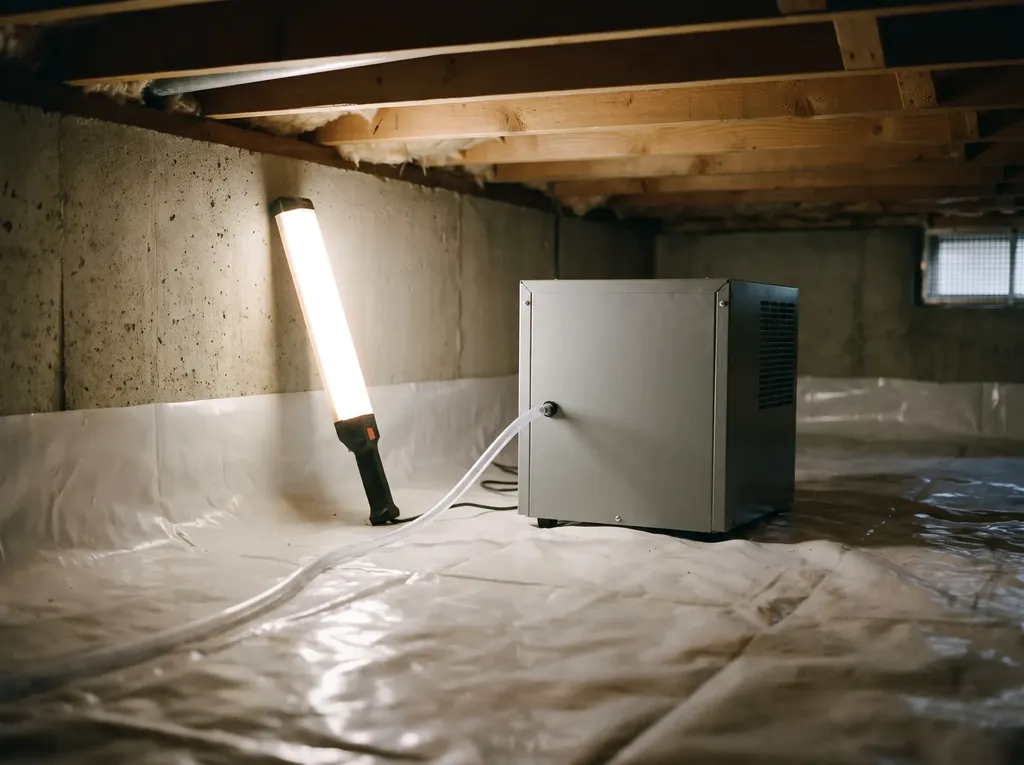
Plenty of crawl space pitches end with a dehumidifier. Ours often do not. Whatcom County is in Washington's marine climate zone, and the research on crawl spaces in this climate does not say every home needs a sealed, conditioned crawl space with a machine running in it.
A small Washington State University study of new Northwest homes concluded that, with proper site water management, both vented and sealed crawl spaces can be built successfully, and that relatively dry summers let vented crawl spaces perform adequately. The EPA's Indoor airPLUS program recommends insulated, sealed and conditioned crawl spaces, but lists homes in a marine climate among its exceptions. That federal program is not asking you to seal your crawl space.
If your crawl space is vented, it is meant to be dried by outside air moving through it, so we do not put a dehumidifier in one. The fixes there are a sound ground cover and water kept away from the house.
When a crawl space has been sealed, it becomes part of the house, and its moisture has to be managed like the rest of the house. The WSU study found sealed crawl spaces held steadier temperature and humidity than vented ones. A properly sized dehumidifier is one of the ways we keep a sealed crawl space that way. It is not the only piece, and in Washington it is not a code requirement.
For a crawl space that is already sealed, or one we are sealing as part of an encapsulation, we size a unit for the space, place it, drain it and set it up.
Units that have stopped, never kept up, or empty onto the liner or the soil. We replace or reroute them.
Cabins and second homes around Blaine, Birch Bay and Semiahmoo can sit shut for weeks. If the crawl space under one of them is sealed, a correctly set up dehumidifier is part of keeping it in shape while nobody is there to notice.
A vented crawl space exchanges air with the outdoors by design. We fix the ground cover and the drainage instead.
In the WSU study, radon in sealed marine-climate crawl spaces averaged almost nine times the level in vented ones, which the authors linked to less dilution and to running the sealed crawl spaces under negative pressure. Those homes were in a higher-radon part of the state than Whatcom County, and their living areas tested below the action level. Washington's code requires a radon system with an unvented crawl space. A sealed crawl space is not a radon mitigation system. We recommend a radon test, and if levels are high, a certified radon mitigation company.
If there is mold growth to remove, a mold remediation company does that. A dehumidifier is not a mold treatment.
A dehumidifier is no substitute for a ground cover or a fixed leak. DOE says moisture problems must be taken care of first and a crawl space must always have a ground cover. If those are missing, we tell you before we talk about equipment.
Crawl space size drives equipment sizing, the same way Washington's code ties exhaust fan rates to crawl floor area. We size the unit to your crawl space, not to a standard package.
The water goes to a condensate pump or outside, never onto the liner. If there is a sump pit in the crawl space, DOE guidance calls for an airtight, gasketed cover on it.
We show you where the unit is, what its controls do and what to look out for.
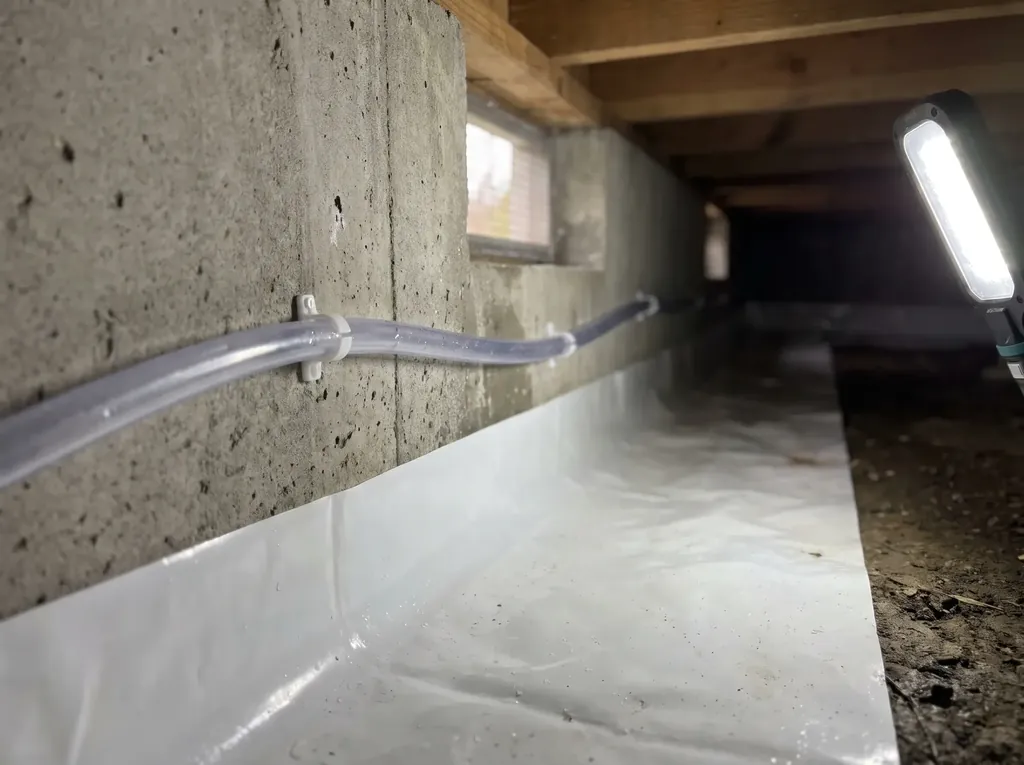
Photos of the crawl space and any existing unit, or your inspection report.
We confirm whether the crawl space is vented or sealed, look for water getting in, and check the ground cover.
If the crawl space is vented, or the real problem is water, we tell you that and what we would do instead. If a dehumidifier is the right call, we explain why.
We size the unit to the space and agree where it sits and where its water goes.
The unit is placed, drained and powered, and any old unit is removed.
A plain explanation of what the unit does.
In Washington, a crawl space can be built without foundation vents only when the ground is covered with a continuous, sealed Class I vapor barrier that runs up and is sealed to the foundation wall, a radon system is installed, and an exhaust fan runs continuously to the outdoors at 1 cubic foot per minute for every 50 square feet of crawl space floor. Washington replaced the national wording of that rule with its own, and its text does not offer a dehumidifier or a conditioned air supply as a way to meet it.
In plain terms: in Washington, a dehumidifier is something we may add to a sealed crawl space, not something the code requires, and not a way of meeting the code on its own. If anyone tells you Washington code requires a dehumidifier, ask them to show you the section.
Your local building department has the final say on how these rules apply to your home, and we confirm the requirements before any vents are closed.
A dehumidifier is rarely the whole job, so the price depends on what the crawl space needs around it. The things that move the number:
Floor area drives equipment sizing.
Closing your crawl space vents in Washington means a sealed vapor barrier, a radon system and a fan that runs all the time, not just a liner.
A short run outside is simpler than a condensate pump and a longer line.
Whether there is a suitable outlet in the crawl space or one has to be added.
Tight crawl spaces are harder to get equipment into and to work in.
Drainage, leaks or a sump that needs a sealed cover add scope.
Book a free inspection and we will tell you what the house needs and what it does not.
We talk people out of dehumidifiers. If your crawl space is vented and the problem is a torn ground cover or a downspout emptying at the foundation, a machine is the expensive way to not fix it. We would rather put in a proper vapor barrier or a drainage fix and leave it there.
We are straight about the code. Washington replaced the national wording of its unvented crawl space rule with its own, and the dehumidifier language people quote comes from the national version. We go by the Washington text.
We raise radon before you seal. Sealing a crawl space can change radon levels in it, so a radon test belongs in the plan, and so does a certified radon mitigation company if the levels call for one.
We are only just starting to collect customer reviews. When we do, they will appear here in full, in our customers' own words.
Not always, and not because the code says so. Washington's unvented crawl space rule does not mention a dehumidifier. Once a crawl space is sealed, its moisture still has to be managed, and a dehumidifier is one way to do that. Whether yours needs one depends on how much moisture the space still picks up once the ground is sealed and any water problem is fixed, which is what we look at before recommending one.
Under Washington's current residential code, in effect since March 2024, a vented crawl space needs at least 1 square foot of net vent area for every 300 square feet of under-floor area, arranged for cross ventilation, with openings covered by mesh or grilles no larger than 1/4 inch. Vent area can drop to 1 per 1,500 square feet with an approved Class I vapor retarder on the ground, but below 1 per 300, or with operable louvers, a radon vent is required. In Washington, a crawl space can be built without foundation vents only when the ground is covered with a continuous, sealed Class I vapor barrier that runs up and is sealed to the foundation wall, a radon system is installed, and an exhaust fan runs continuously to the outdoors at 1 cubic foot per minute for every 50 square feet of crawl space floor. Your local building department has the final say on how these rules apply to your home, and we confirm the requirements before any vents are closed.
There is no official crawl space humidity limit to measure against. The EPA's advice to keep humidity below 60 percent, ideally 30 to 50 percent, is for indoor living space, not crawl spaces. The WSU crawl space study treated 80 percent relative humidity as its critical point, because humidity sustained above that is needed to hold wood at 20 percent moisture or more, and USDA Forest Products Laboratory scientists say decay fungi need wood above about 20 to 25 percent moisture. So one reading matters less than the trend and the condition of the wood. We check both.
We would not pick a month. A dehumidifier in a sealed crawl space should respond to the moisture in that space rather than to the calendar, and its controls are how it does that. If you are thinking of switching yours off because it never seems to stop running, call us first. A unit that runs constantly can be a sign that water is getting in somewhere.
The most useful thing to put in a crawl space is not an absorber, it is a ground cover. DOE says a crawl space must always have a ground cover that prevents ground moisture evaporating into the space, and Washington's code requires one: 6-mil black polyethylene or an approved equal, overlapped at the joints and run to the foundation wall. After that, deal with water coming from outside: gutters, downspouts and the slope of the ground.
Yes, if moisture gets in. The EPA says the key to mold control is moisture control, and that it is impossible to get rid of all mold and mold spores indoors. A plumbing leak or water running in under the liner can still cause problems in a sealed crawl space, and nobody can honestly promise a mold-free one.
We install crawl space dehumidifiers across Whatcom County: Bellingham, Ferndale, Lynden, Blaine, Everson, Sudden Valley, Birch Bay, Sumas, Deming and Custer, plus the rural roads in between.
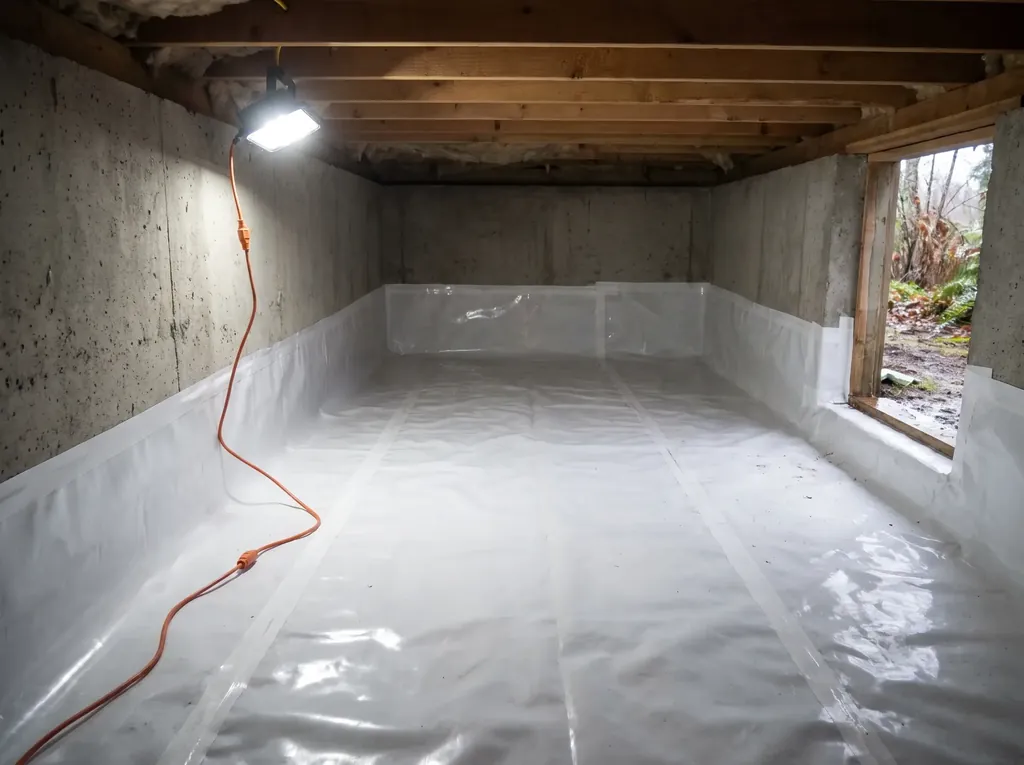
Ground and walls lined and sealed, with the moisture source fixed first, for crawl spaces that should be part of the house.
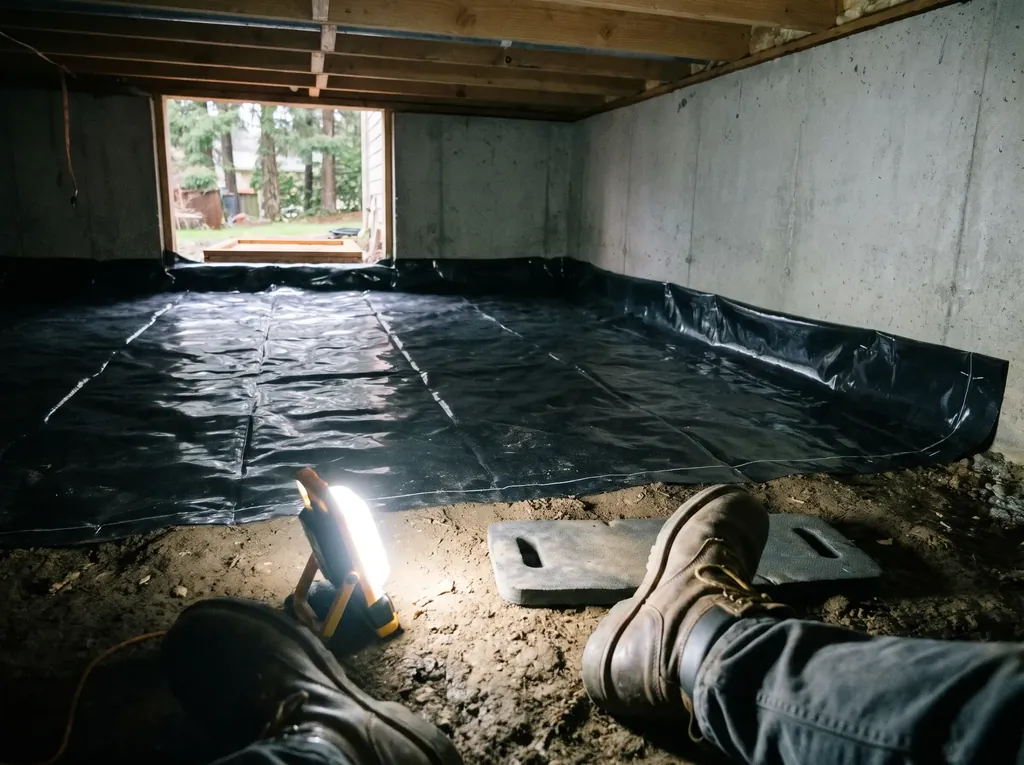
New ground cover, lapped, taped and run to the walls. Can be all a well-drained vented crawl space needs.
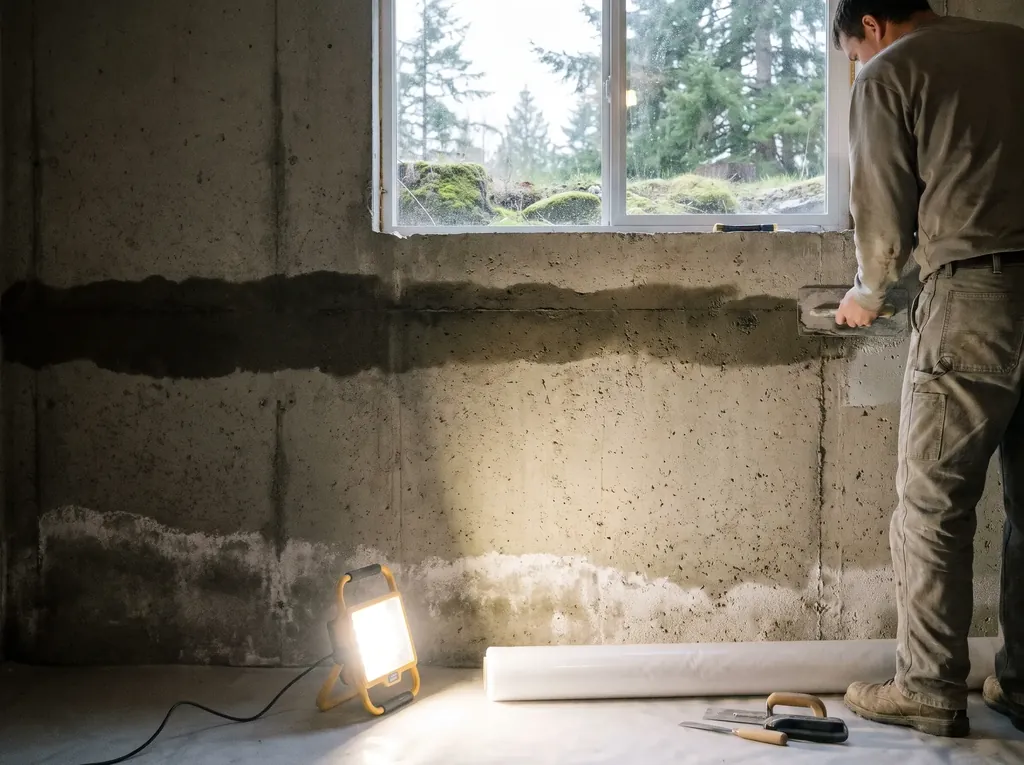
Seeping walls and wet floors traced to the source, then fixed outside, inside or both.
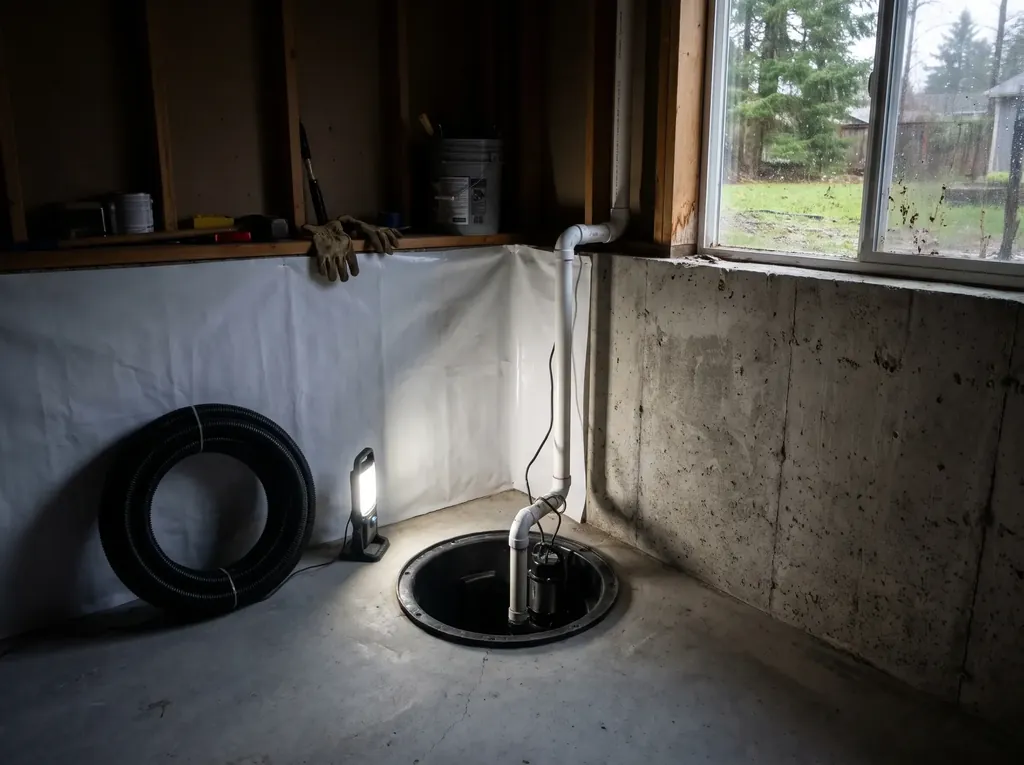
New pits, replacement pumps and discharge lines that take the water somewhere it is allowed to go.
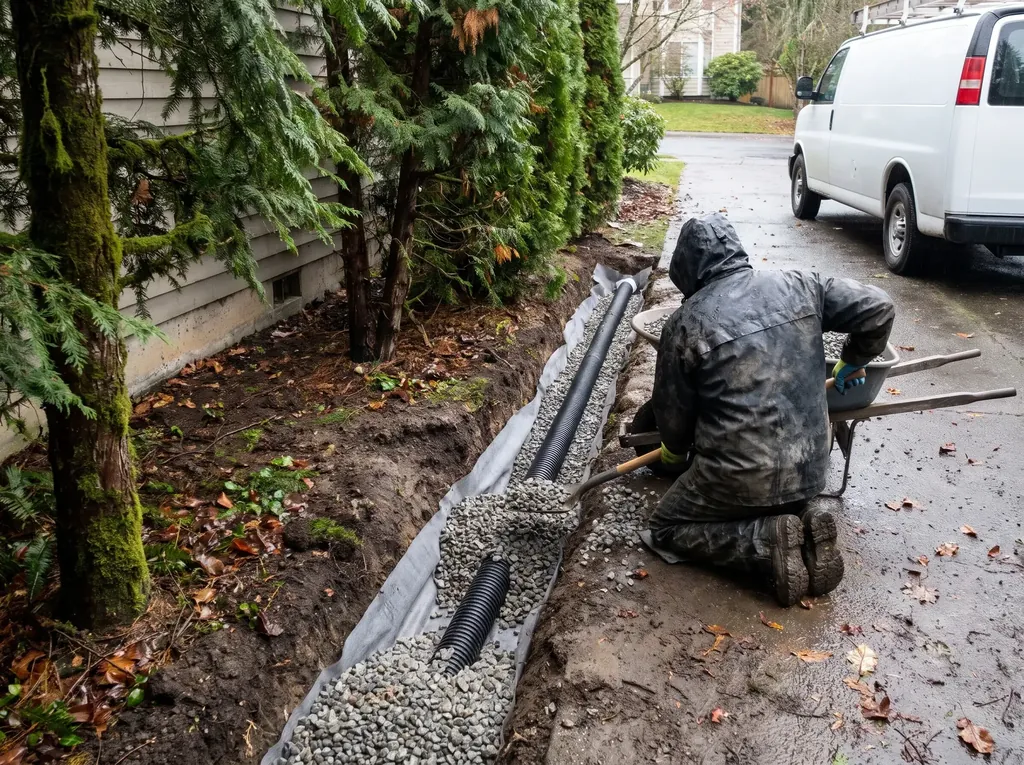
Footing drains, yard drains and downspout lines that keep water from reaching the foundation.
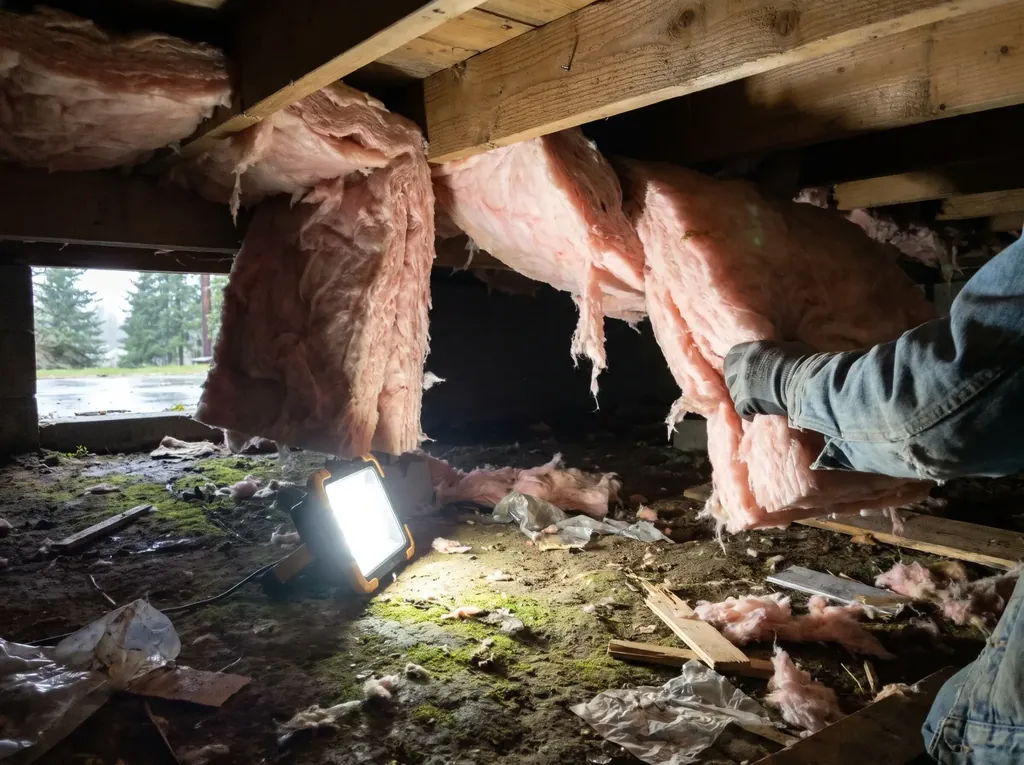
Fallen, wet or rodent-soiled insulation and old plastic cleared out so the space starts clean.
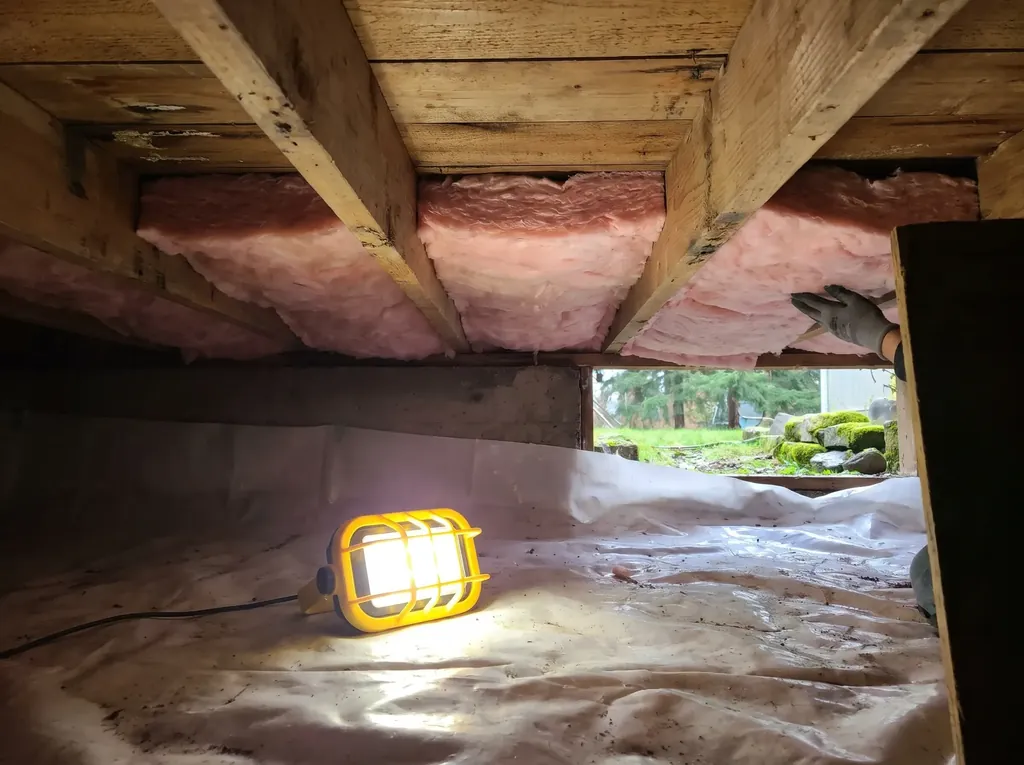
Floor or wall insulation, chosen to suit whether the crawl space is vented or sealed.
Tell us whether your crawl space is sealed, if you know, and what made you think about a dehumidifier. A photo of the space or your existing unit helps. We will get back to you to book a look.
We will be in touch to book a time to look under the house. If it cannot wait, call (360) 555-0163.
Nothing was sent. Please call (360) 555-0163 and we will set up your free inspection.