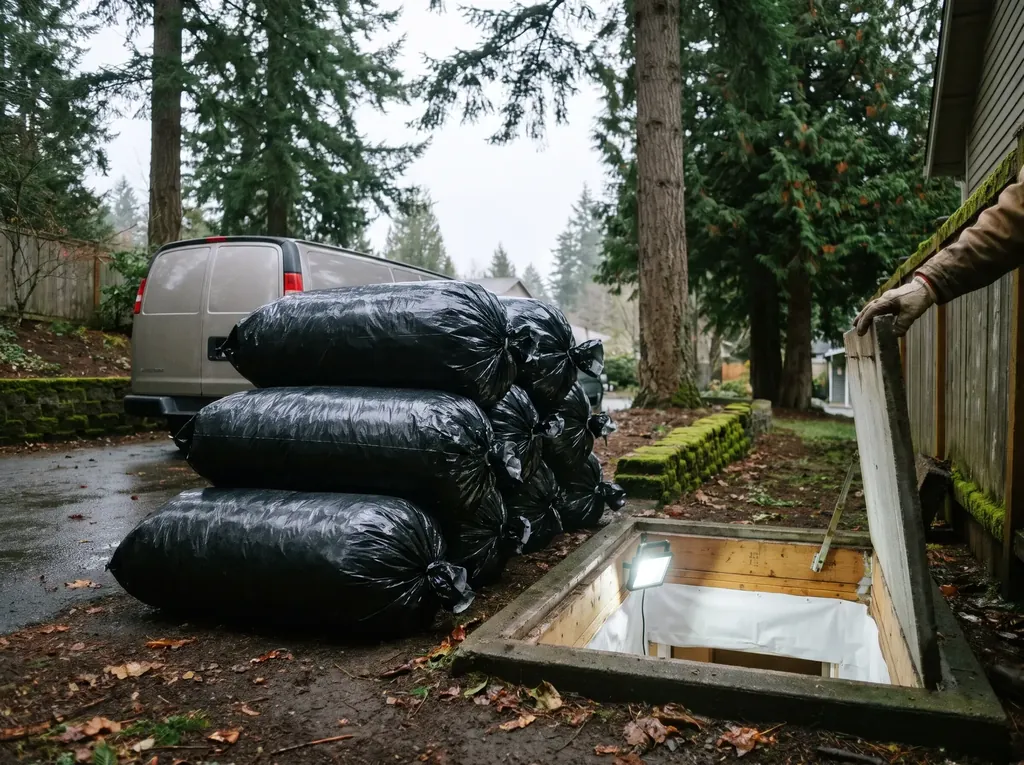
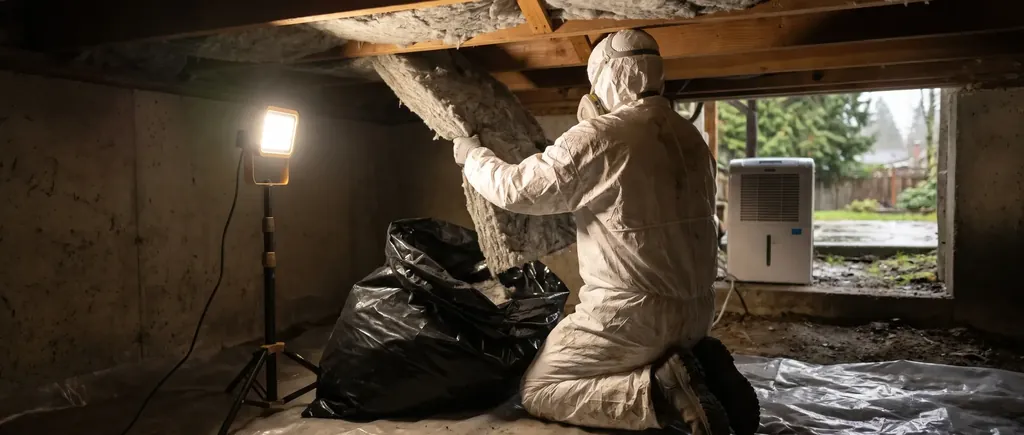
Technician bagging old insulation removed from a crawl space

Crawl Space Cleaning and Insulation Removal

Fallen insulation, torn old plastic, scrap lumber and whatever the mice left behind, bagged and hauled out, so the space under your house can be seen, dried and put right.

Clear it out, then fix it

  • Free inspections, or send photos first
  • The water source found before anything is quoted
  • We say so when the old insulation can stay
  • No structural, mold, pest or radon work, and we tell you who does
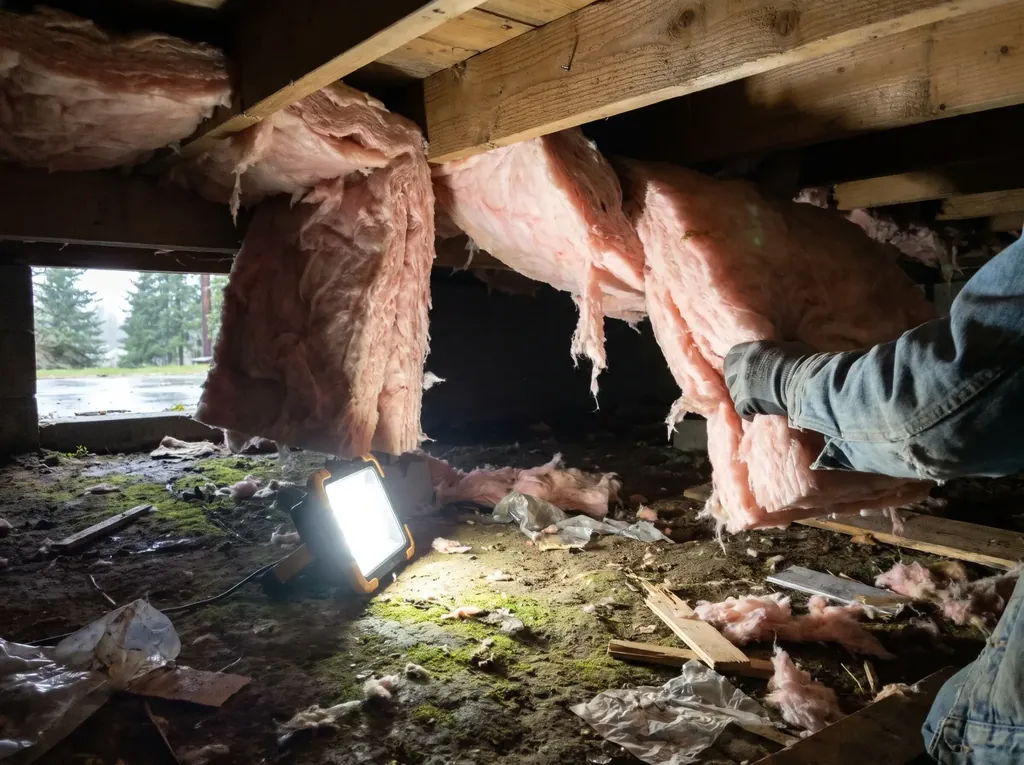
Old fallen insulation and debris in a crawl space

You cannot fix a crawl space you cannot see

An older crawl space can be a record of everything that has happened to the house. Offcuts from a remodel decades ago. Plastic that was put down once, torn by every plumber since. Batts of insulation that let go of the joists one at a time and now lie on the dirt. Under some houses it is hard to tell whether there is a ground cover at all.

That is often what a home inspection report is describing. Washington's home inspection standards require inspectors to report missing or inadequate vapor barriers in crawl spaces with earth floors, and missing insulation between heated and unheated spaces. If your report has a line like that, cleanup can be where the fix begins.

Fallen insulation is not just untidy. Washington's energy code requires floor insulation over a crawl space to stay in permanent contact with the underside of the subfloor, held up by supports no more than 24 inches apart. A batt lying on the soil is not doing that job. And bare soil needs covering: DOE says a crawl space must always have a ground cover that prevents ground moisture evaporating into the space. Old, torn plastic has to come out before a proper one can go down.

Cleanup is the first step, not the whole job. If the insulation came down because it got wet, the water has to be found and stopped before anything new goes in. DOE's guidance says moisture problems in a crawl space must be taken care of before insulating. We will tell you what we think caused the mess, not just haul it away.

What we clear out

Wet, fallen or soiled insulation

Batts on the ground, insulation that has soaked up water, and insulation that rodents have nested in or soiled. The EPA notes that porous materials may have to be thrown away if they become moldy. Whether yours needs to come out is a call we make by looking at it, and when it can stay, we say so.

Failed ground cover and debris

Torn, thin or patchy plastic, old cardboard, scrap wood, bricks, abandoned ductwork and the general clutter that collects under a house over the years. All of it comes out so the soil can be covered properly.

After rodents have moved out

Once a pest control company has dealt with the animals, we remove the soiled material and seal entry gaps. Washington's Department of Health advises sealing gaps larger than 1/4 inch, including in foundations, to keep rodents out.

What we do not do

Cleanup sits between several other trades, so it matters to be clear about where ours stops:

Pest extermination

We do not trap, bait or exterminate. If mice or rats are still active, a pest control company goes first. If your report mentions insects in the wood, Washington inspectors must refer that to a licensed structural pest inspector or pest control operator, and so do we.

Mold remediation

We remove debris and insulation. Removing mold growth from framing is a job for a mold remediation company. We will not promise a mold-free crawl space: the EPA says it is impossible to get rid of all mold and mold spores indoors.

Structural repair

If clearing the space uncovers rotted or damaged framing, that goes to a structural engineer before anything else happens.

What every cleanout includes

Material bagged in the crawl space

Insulation and debris are bagged where they lie and carried out through the access, so loose material is not dragged across your floors.

Hauled away

The bags and debris leave with us. You are not left with a pile beside the driveway.

A plain account of what we found

Wet spots, gaps, signs of water getting in, anything that needs a different specialist, and what we think should happen next. No pressure to book the next step with us.

Bags of removed insulation outside a crawl space hatch

How a crawl space cleanout goes

  1. Send us what you have

    Photos from the hatch, or the crawl space section of your home inspection report. Either helps us understand the job.

  2. Free inspection

    We go under the house, see what is there and look for the reason it ended up that way.

  3. Pest control first, if needed

    If there are signs of active rodents, we hold off until a pest control company has dealt with them. Cleaning up while animals are still moving in and out just means doing it twice.

  4. Agree what comes out

    We go through it with you: what has to go, what can stay, and what a clean crawl space will need next.

  5. Clean out

    Debris, failed ground cover and insulation that needs to go are bagged and removed.

  6. Decide on the next step

    That may be a new vapor barrier, new insulation or a drainage fix. It is your call, and you are under no obligation to use us for it.

Rodent droppings: what the Department of Health says

In Washington, hantavirus is carried by deer mice, which shed it in their urine, saliva and droppings. People are usually infected by breathing in dust after disturbing or cleaning up droppings or nests. It is rare, with one to five cases of Hantavirus Pulmonary Syndrome reported in the state in a typical year, but about one in three people diagnosed have died. That is why droppings are handled carefully rather than swept up.

If you are cleaning a small area yourself, the Washington State Department of Health's guidance is:

  • Air out enclosed spaces for at least 30 minutes before you start.
  • Wear rubber, latex, vinyl or nitrile gloves.
  • Do not vacuum or sweep.
  • Soak droppings and nests with a 10 percent bleach solution, about 1 1/2 cups of bleach per gallon of water, and leave it for 10 minutes.
  • Wipe up with a damp towel, then mop or sponge the area.

The Department also warns that a dust mask does not protect against viruses. For a whole crawl space of soiled insulation, call us instead of crawling in with a bucket.

Before work starts, we will walk you through how we handle droppings and soiled material in your crawl space.

What decides the price

A cleanout is priced on how much has to come out and how hard it is to get it out. The things that move the number:

Size of the crawl space

More square feet means more to bag and more ground to clear.

Access and headroom

Washington's home inspection rules let inspectors skip crawl spaces with openings under 18 by 24 inches, or less than 18 inches of headroom below the joists. Spaces that tight are slow work for anyone.

How much material there is

Some crawl spaces need a few bags. Some need the whole floor's insulation taken down.

Rodent contamination

Soiled material takes more care to handle than dry, clean debris.

What comes out with it

Old ground cover, abandoned ducts and construction debris all add to the load.

Whether insulation can stay

Removal is decided case by case, and leaving sound insulation in place keeps the cost down.

Book a free inspection and we will tell you what the house needs and what it does not.

Why Whatcom County homeowners call us

We do not use cleanup as a way in the door. If the insulation is dry, attached and doing its job, we leave it there and tell you so. If the only thing wrong is a torn ground cover, that is the job.

Older homes in Columbia, the Lettered Streets, York and Fairhaven have had many decades for things to collect underneath. Second homes around Blaine and Birch Bay can sit closed up for weeks at a time, so whatever is happening under the house can go on for a while before anyone notices.

We stay in our lane. Pest control companies deal with the animals, mold remediation companies deal with growth, structural engineers deal with framing. We clear the space, seal the gaps and fix the moisture, and we will tell you which of the others you need, if any.
What our customers say

We are only just starting to collect customer reviews. When we do, they will appear here in full, in our customers' own words.

Crawl space cleaning questions

How much does it cost to clean out a crawl space?

It depends on the size of the crawl space, how tight it is to work in, how much material has to come out and whether any of it is soiled by rodents. A space that needs some debris and torn plastic removed is a much smaller job than one where the whole floor's insulation is coming down. After a free inspection we can tell you what it needs and what it does not.

What is the fastest way to dry out a crawl space?

Stop the water first. Drying a crawl space that keeps getting wet just starts the clock again. The EPA says water-damaged areas should be dried within 24 to 48 hours to prevent mold growth, so after a leak or a flood, get the source fixed and wet material out quickly. Then cover the soil, because bare ground keeps releasing moisture into the space.

Do crawl spaces attract mice?

A crawl space is sheltered and rarely disturbed, and mice get in through small gaps. Washington's Department of Health advises sealing gaps larger than 1/4 inch, including in foundations, to keep rodents out. If you already have mice, call a pest control company first. Once they have dealt with the animals, we can remove soiled material and seal the gaps.

What does a crawl space inspection consist of?

In Washington, a licensed home inspector must enter the crawl space where it is readily and safely accessible, look for signs of flooding and moisture, probe wood where deterioration is suspected, and report wood rot and conditions that invite pests. Ours looks at much of the same, with one extra focus: where the moisture is coming from.

Does homeowners insurance cover crawl space repair?

It depends on your policy and what caused the damage. Washington's Office of the Insurance Commissioner says homeowner policies do not cover flooding, which needs separate flood insurance, and that coverage varies widely, so read your own policy. One state insurance regulator notes that water seeping through a foundation is often treated as a maintenance issue. Your insurer is the only one who can tell you for certain.

Where we clean crawl spaces

We clean out crawl spaces across Whatcom County: Bellingham, Ferndale, Lynden, Blaine, Everson, Sudden Valley, Birch Bay, Sumas, Deming and Custer, plus the rural roads in between.

Our service areas

Other crawl space and waterproofing services

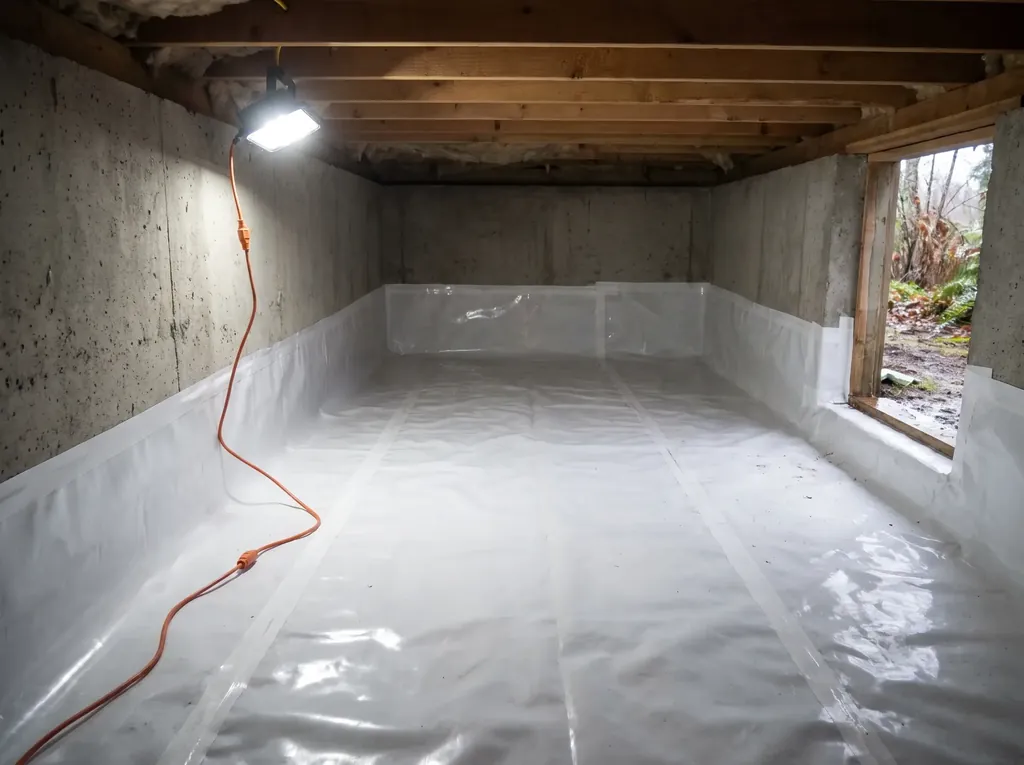
Encapsulated crawl space with sealed white liner

Crawl Space Encapsulation

Ground and walls lined and sealed, with the moisture source fixed first, for crawl spaces that should be part of the house.

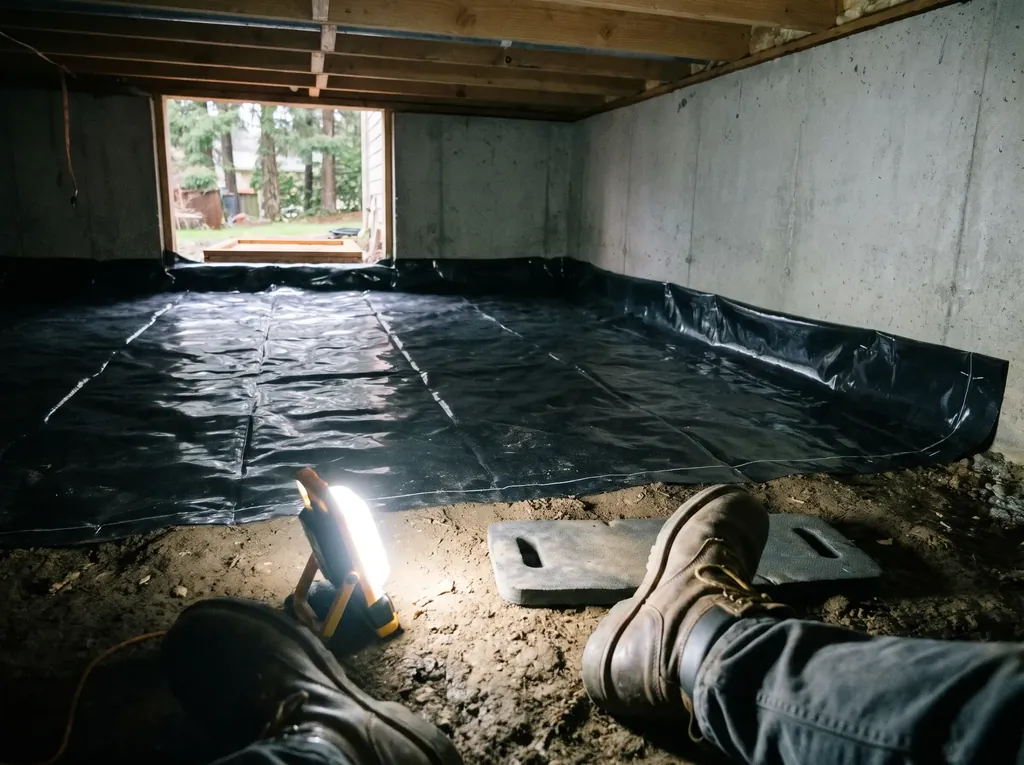
New plastic vapor barrier laid over crawl space ground

Crawl Space Vapor Barriers

New ground cover, lapped, taped and run to the walls. Can be all a well-drained vented crawl space needs.

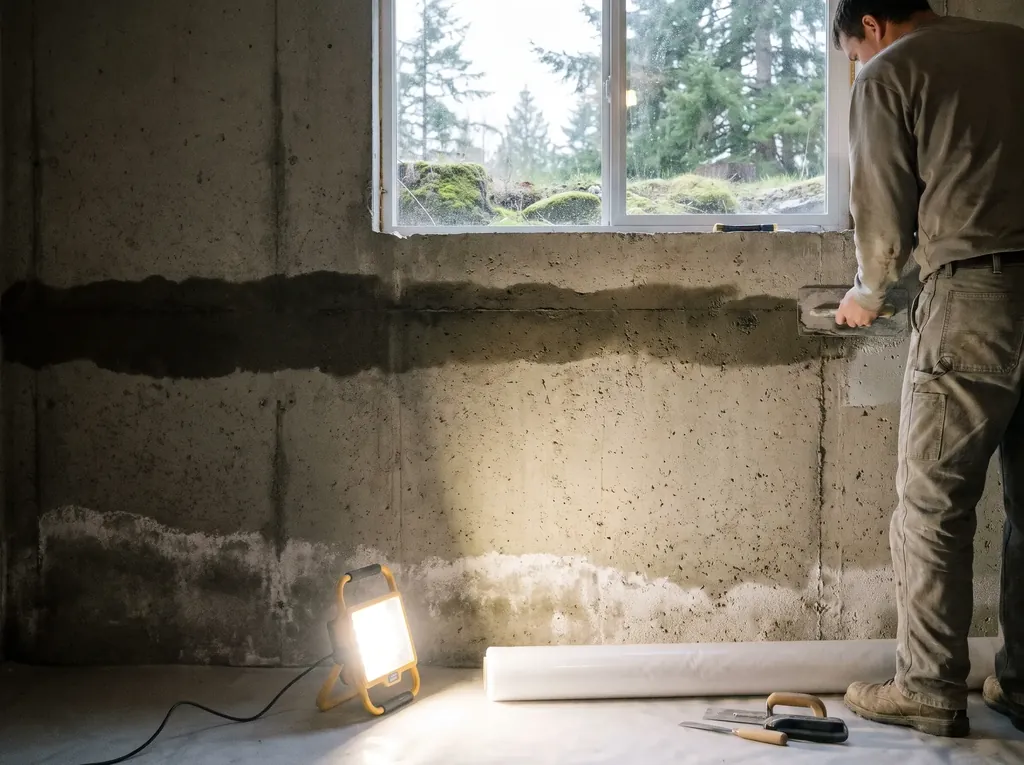
Damp concrete basement wall with water staining

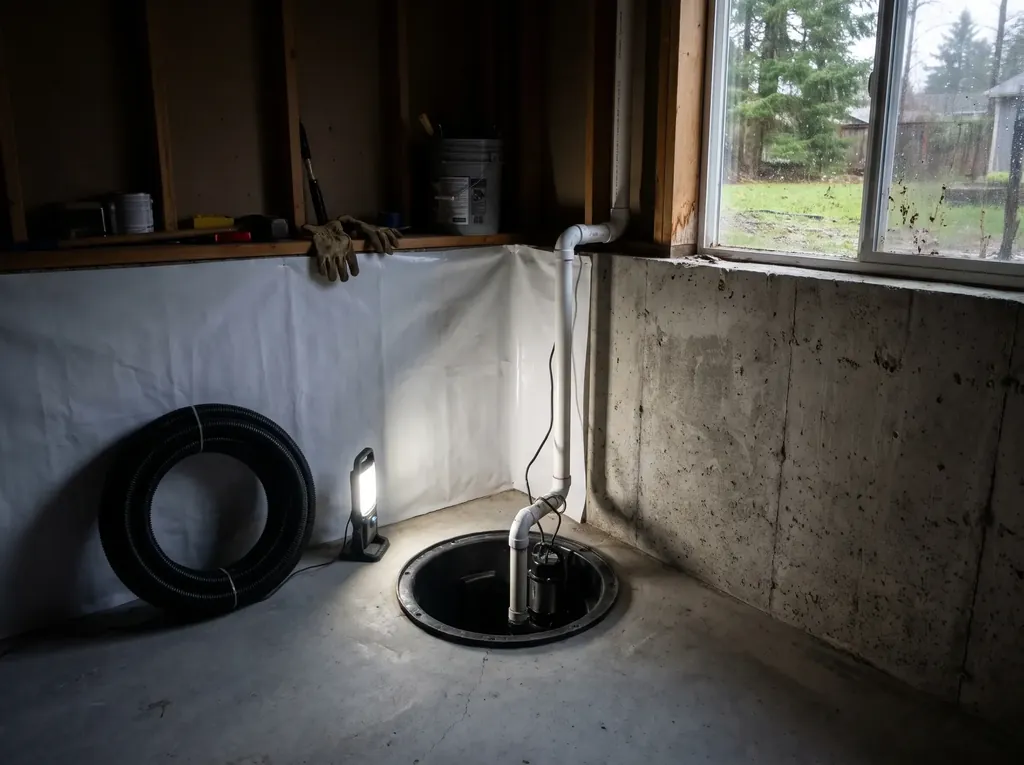
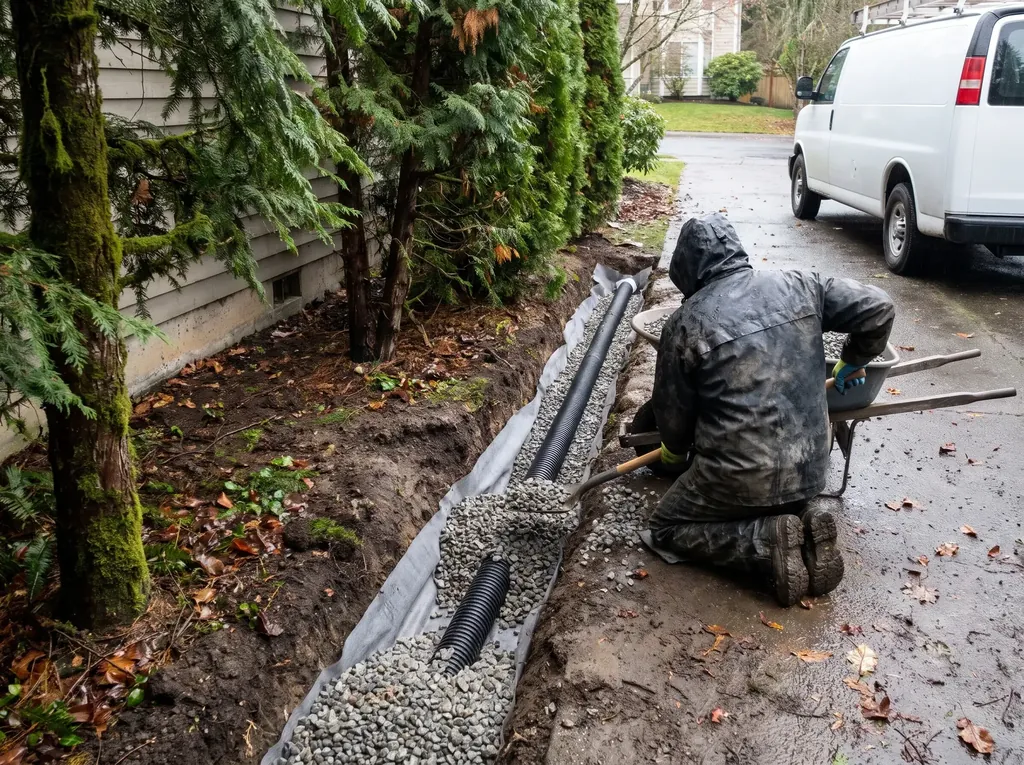
Basement Waterproofing

Seeping walls and wet floors traced to the source, then fixed outside, inside or both.

Insulation fitted between crawl space floor joists

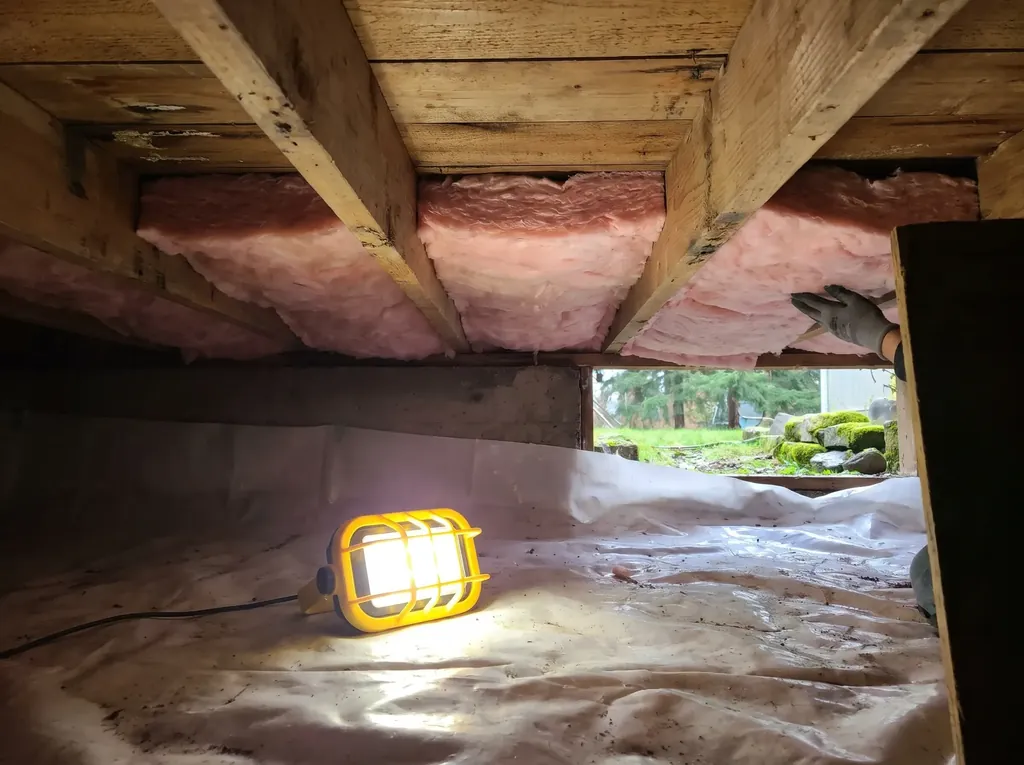
Crawl Space Insulation

Floor or wall insulation, chosen to suit whether the crawl space is vented or sealed.

Dehumidifier on a sealed crawl space floor

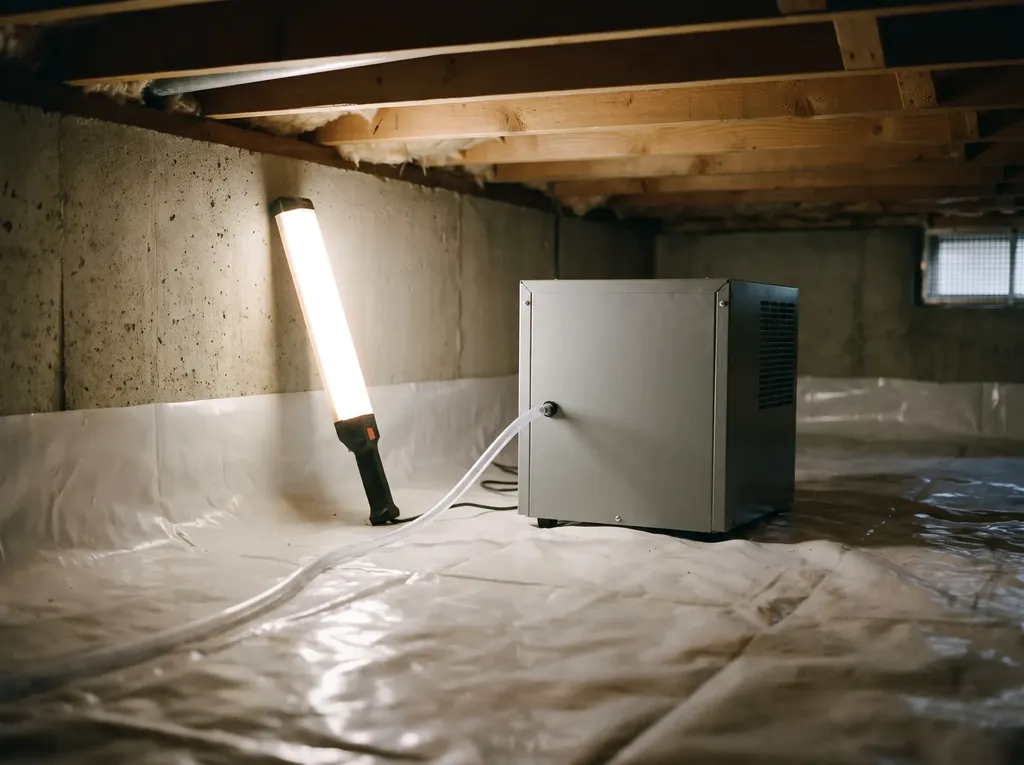
Crawl Space Dehumidifiers

Sized for the space and drained properly, for sealed crawl spaces that still run damp.

Book a free crawl space inspection

Tell us what you know about the space under your house, even if that is just a line from an inspection report. A photo from the hatch helps. We will get back to you to book a look.

Standing water, a torn vapor barrier, a musty smell, a sump that runs all winter. Mention any deadline from a home sale.

Free and no obligation. Prefer to talk? Call (360) 555-0163.