Sealed crawl space with white liner on the ground and walls

Crawl Space Encapsulation in Bellingham

A sealed, lined crawl space can be the right answer under a Whatcom County house. It is rarely the first answer. We find where the water is coming from and fix that, then tell you honestly whether you need a full encapsulation or whether a good vapor barrier will do.

Water source first, liner second

  • Free crawl space inspection
  • The water source fixed before any liner goes down
  • A straight answer when a vapor barrier is enough
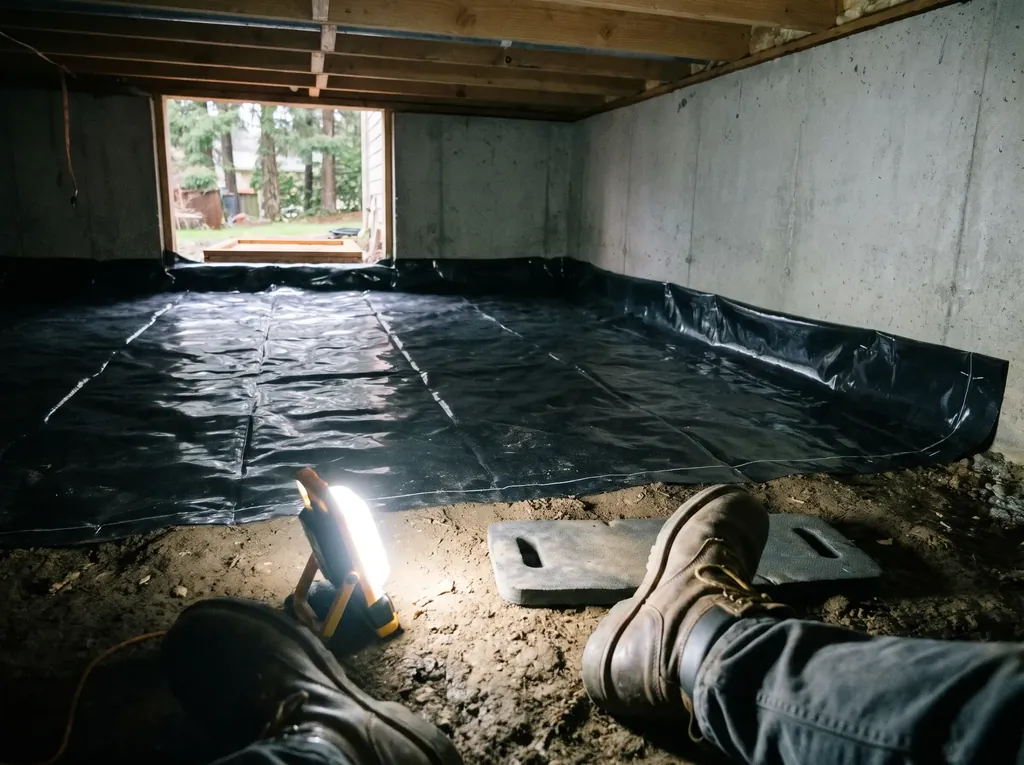
Encapsulated crawl space with sealed white liner

A good fix for some crawl spaces, not a must for every one

Encapsulation brings the crawl space inside the house instead of leaving it open to the outdoors. The ground and foundation walls are covered with a continuous sealed liner, the perimeter is insulated and air sealed, and the space stays close to the conditions upstairs. Building Science Corporation's Joseph Lstiburek describes a crawl space done this way as "part of the house, not part of the outside or part of the ground."

You will hear that every crawl space needs this. The research closest to home says otherwise. Whatcom County is in Washington's marine climate zone, 4C. A Washington State University study concluded that, with proper site water management, both sealed and vented crawl spaces can be built successfully in the Northwest, and that our relatively dry summers let vented crawl spaces perform adequately. The EPA's Indoor airPLUS program, which otherwise recommends sealed crawl spaces, lists marine climates among its exceptions.

That study looked at new homes, not an older house with water running under it. So the first question is not "should we seal it?" but "where is the water coming from?"

Encapsulation is worth weighing when you want the crawl space to behave like part of the house. A Washington study found the energy effect of sealing was minimal unless supply ducts in the crawl space were quite leaky. In the WSU research, sealed crawl spaces held steadier temperatures and humidity than vented ones. We will tell you which side of that line your house is on, and why.

What encapsulation is the right fix for

A crawl space you want treated as part of the house

When the furnace or ductwork sits under the floor, it can make sense to bring that space inside the insulated shell. Energy results depend on the house, especially where the ducts are and how leaky they are, so we do not quote savings figures.

Air from below coming up into the house

In a heated house, warm air rises and leaks out near the top, drawing outside air in through gaps lower down. One Washington study measured about 40 percent of winter house air coming up from a vented crawl space, in a small set of test homes. With the crawl space sealed and an exhaust fan running continuously, that share fell to about 5 to 6 percent, a benefit the authors note is lost if the fan fails.

A crawl space that keeps failing the inspection

Washington home inspectors must report missing or inadequate vapor barriers and missing insulation. If the space keeps getting flagged, a sealed system is one way to put it right, once the water problem behind it is fixed.

What encapsulation is not

We keep water and damp out from under the house. Some problems down there belong to other specialists, and we will say so on the first visit:

Structural foundation repair or house lifting

Settling footings, failed posts and beams and sagging floors go to a structural engineer.

Mold remediation

Sealing a crawl space does not make it mold free, and the EPA says it is impossible to get rid of all mold and mold spores indoors. For mold removal, call a mold remediation company.

Pest extermination

Live insects or rodents are a job for a pest control company.

Radon mitigation

A sealed crawl space is not a radon mitigation system. We recommend a radon test, and if levels are high, a certified radon mitigation company.

Radon deserves a specific mention when a crawl space is sealed. In the WSU study, sealed crawl spaces in a higher-radon part of the state measured far more radon than vented ones. Whatcom County is in the EPA's lowest radon zone, but the EPA says every home should be tested regardless.

What a full encapsulation includes

The water source dealt with first

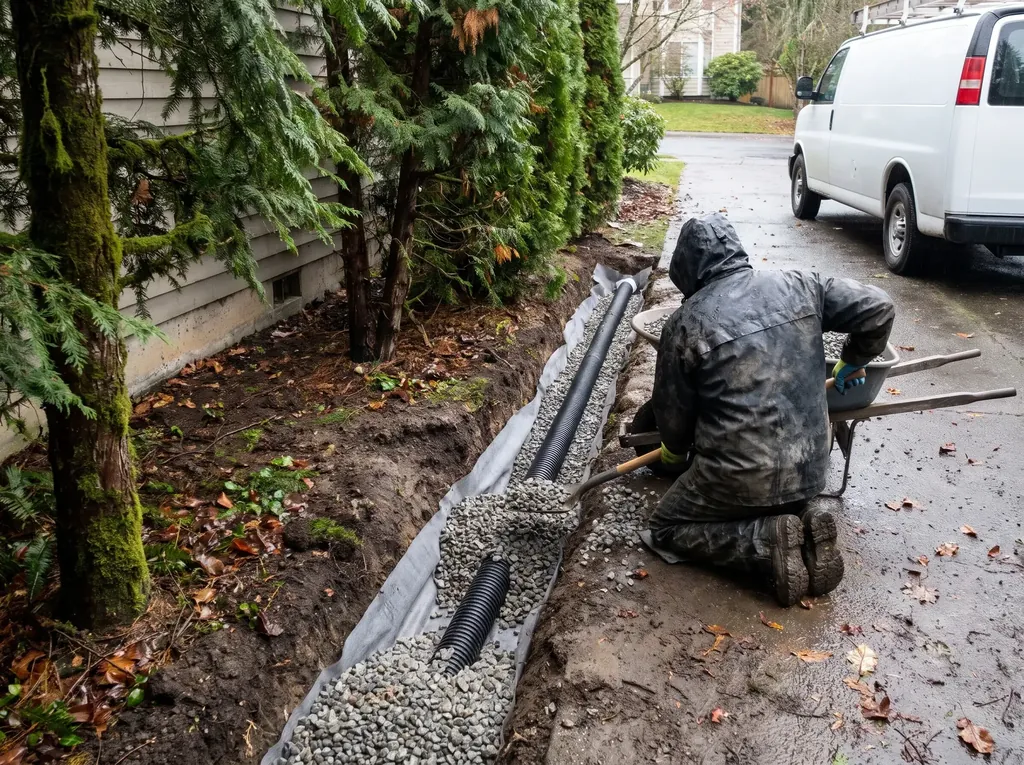
The Department of Energy's guidance is that moisture problems in the crawl space or around the foundation must be fixed before insulating, with a drainage system where there is a flooding or leak history and no working perimeter drain. That always comes first.

A sealed liner on the ground and the walls

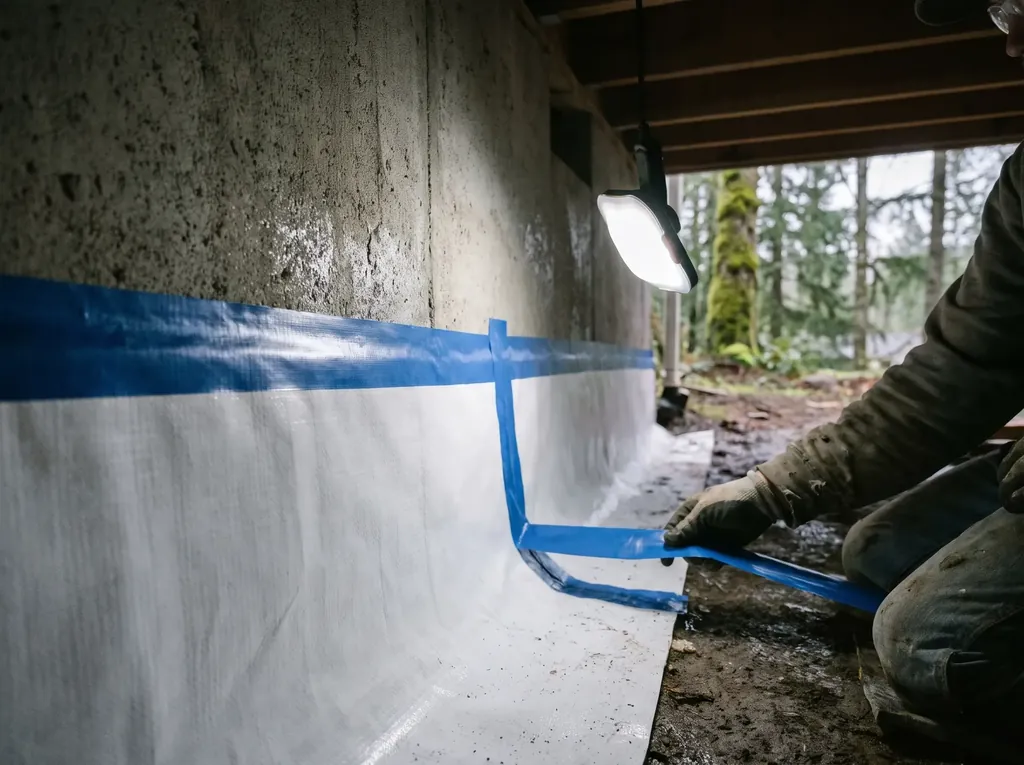
For a crawl space without vents, Washington's code calls for a continuous Class I vapor retarder over the earth, joints overlapped 6 inches and sealed or taped, and edges run at least 6 inches up the stem wall and sealed to it. We keep it continuous around piers and supports.

We will tell you exactly which liner we use and why before any work starts.

Air sealing, the hatch and the sump lid

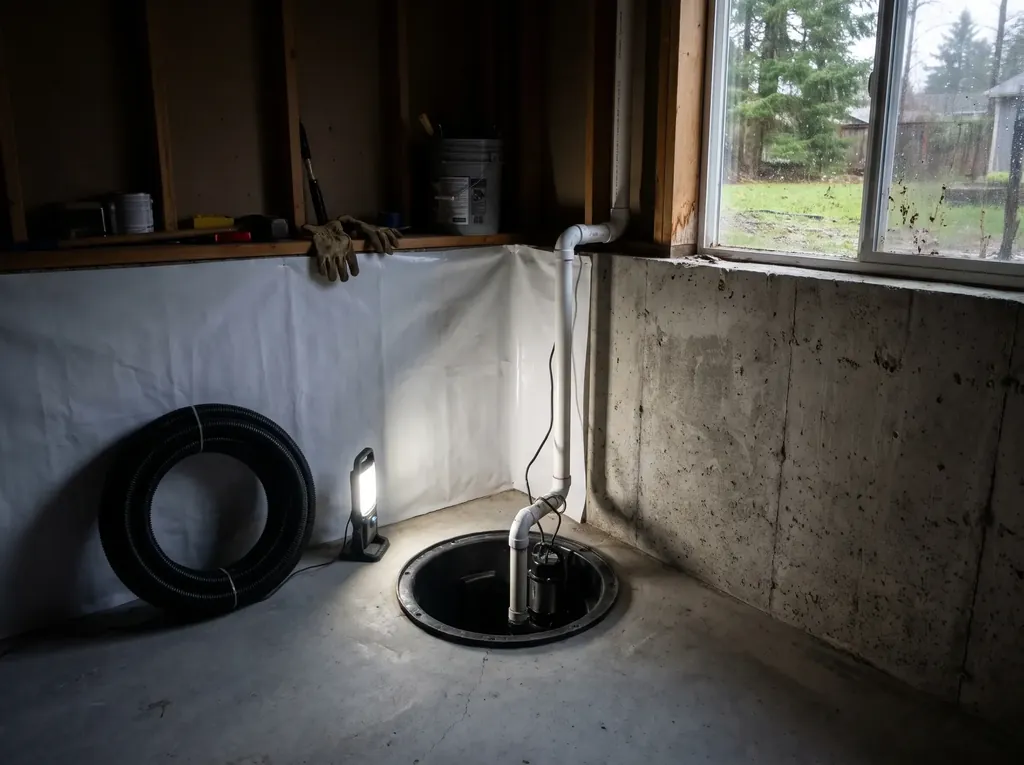
The perimeter is air sealed and insulated. An access hatch from inside the house is insulated to match the surface it sits in and weatherstripped. A sump pit gets an airtight, gasketed cover.

The ventilation and radon items the code asks for

In Washington, a crawl space can be built without foundation vents only when the ground is covered with a continuous, sealed Class I vapor barrier that runs up and is sealed to the foundation wall, a radon system is installed, and an exhaust fan runs continuously to the outdoors at 1 cubic foot per minute for every 50 square feet of crawl space floor. A dehumidifier is not one of those items, so if we recommend one it is because of conditions in your crawl space, not the code.

Your local building department has the final say on how these rules apply to your home, and we confirm the requirements before any vents are closed. Some crawl space projects need a permit, especially when they add a sump pump, new wiring, drain lines or an exhaust fan, or close up the foundation vents, so we check with the City of Bellingham or Whatcom County before work starts and pull any permits the job requires.
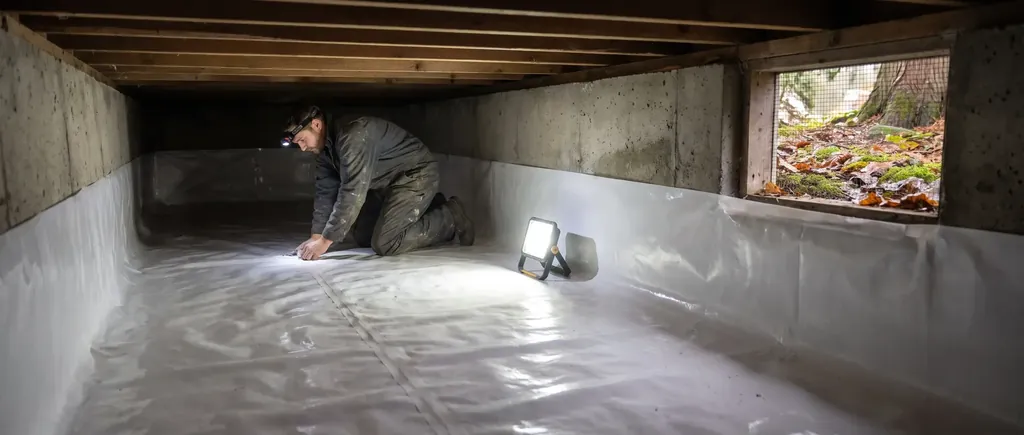
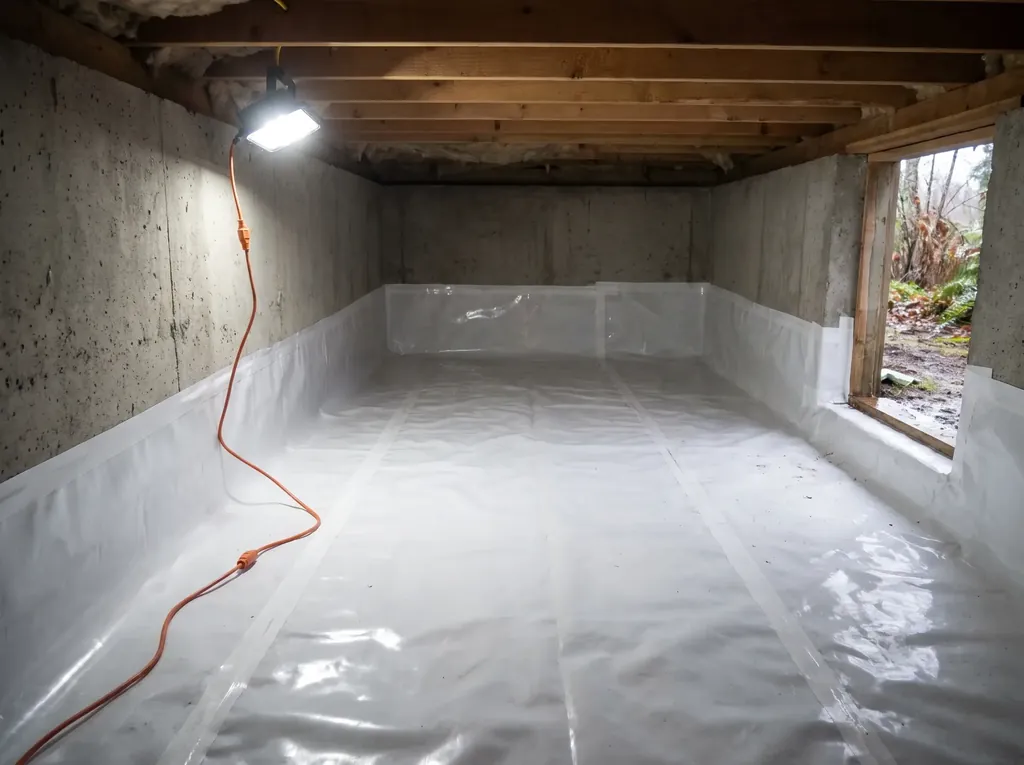
Taped seam where crawl space liner meets the foundation wall

How an encapsulation job goes

  1. Inspect

    We go under the house and check the soil, ground cover, insulation, framing, vents and any standing water.

  2. Find the water

    We check where the downspouts empty and which way the ground slopes. The EPA tells homeowners to fix leaks, keep gutters working and make sure the ground slopes away from the house.

  3. Recommend the smallest fix that works

    Sometimes that is a downspout extension and a new vapor barrier. Sometimes it is full encapsulation. We explain why.

  4. Fix the source and clear the space

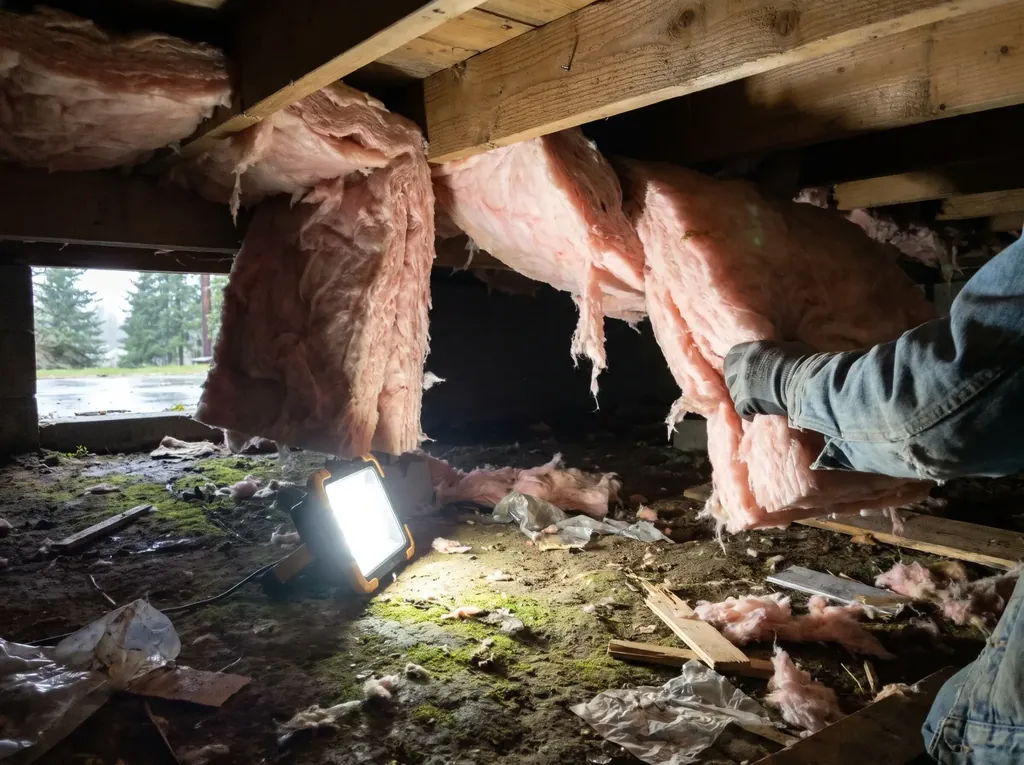
    Drainage first. Then old plastic, debris and failed insulation come out.

  5. Line, seal and insulate

    Liner over the ground and up the walls, seams lapped and taped, perimeter sealed and insulated.

  6. Ventilate, check and hand over

    Exhaust ventilation and the code items are set up, and the hatch and sump lid sealed.

A liner does not stop water. Drainage does.

A sealed liner stops moisture evaporating up from the soil. It does not stop water running in from outside, and water under a liner is still under your house. Bellingham gets about 35 inches of rain a year at the airport, and November is the wettest month.

The DOE's guidance is to carry downspout water to sloping ground more than 5 feet from the foundation, or to an underground system more than 10 feet away, kept separate from the foundation drain. A footing drain needs an outlet: daylight, a drywell, a storm sewer or a sump pump, with daylight outlets at least 10 feet from the house. In Bellingham, groundwater, stormwater and other drainage water are generally not allowed into the sanitary sewer without the City's specific approval, so we never tie a sump pump or footing drain into your sewer line.

We route sump and drain water away from the house to an approved outlet, and we check with the City before any connection to the storm system or any work in the street right-of-way.

What decides the price

Encapsulation is a bigger job than a vapor barrier, and the price depends on the house:

Size

Washington's code ties vent area and exhaust fan rate directly to crawl floor area.

Access and headroom

Washington's inspector rules recognize that small openings and low clearance make some crawl spaces hard to enter. Tight spaces take longer.

Water problems

Drainage has to be fixed before insulating, and a perimeter drain may be needed.

What comes out first

Old, fallen or contaminated insulation and debris may need removing.

The code items

Closing the vents means Washington's code requires a radon system and a continuously running exhaust fan, plus any permits the job needs.

Equipment

Whether a dehumidifier is needed, and how it drains.

Book a free inspection and we will tell you what the house needs and what it does not.

For more, read our guide to crawl space encapsulation cost.

Why Whatcom County homeowners call us

We start with the smallest thing that might work. Crawl space trouble can begin outside: a downspout dumping beside the foundation, a garden bed built up against the siding, a hillside lot sending runoff toward the back wall. If fixing that and laying a proper vapor barrier is enough, that is what we recommend. Our guide on whether crawl space encapsulation is worth it lays out the reasoning.

We stay in our lane: structural issues, mold, live pests and radon get named plainly, with the kind of specialist to call.

Warranty details are confirmed in writing with your quote.

What our customers say

We are only just starting to collect customer reviews. As they come in, they will appear here in full, in our customers' own words.

Crawl space encapsulation questions

Is crawlspace encapsulation a gimmick?

No, but it can be oversold. The Department of Energy's Building America program researched sealed, conditioned crawl spaces in North Carolina, a hot, humid climate, and that work influenced the national building code. Research for our climate also found vented crawl spaces can perform adequately in the Northwest when site water is managed, and the EPA's Indoor airPLUS program exempts marine climates from its sealed crawl space recommendation. It is a real fix for some houses, not a requirement for all.

What are the downsides of crawl space encapsulation?

It costs more than a vapor barrier and does not fix a water problem on its own. Closing your crawl space vents in Washington means a sealed vapor barrier, a radon system and a fan that runs all the time, not just a liner. A WSU study noted that running a crawl exhaust fan continuously could carry a significant energy cost, that the drop in crawl space air reaching the house is lost if the fan fails, and that sealed crawl spaces in a higher-radon part of the state measured higher radon than vented ones.

Do encapsulated crawl spaces need vents?

Not foundation vents, but they need other things in their place. In Washington, a crawl space can be built without foundation vents only when the ground is covered with a continuous, sealed Class I vapor barrier that runs up and is sealed to the foundation wall, a radon system is installed, and an exhaust fan runs continuously to the outdoors at 1 cubic foot per minute for every 50 square feet of crawl space floor. Your local building department has the final say on how these rules apply to your home, and we confirm the requirements before any vents are closed.

Do I need a dehumidifier if I encapsulate my crawl space?

Not because of Washington's code, which calls for a continuously running exhaust fan in a crawl space without vents and does not offer a dehumidifier as a way to meet that rule. Whether one helps depends on how damp the space runs once sealed, so we look before recommending one. More under crawl space dehumidifiers.

Can mold grow in an encapsulated crawl space?

It can if water gets in. The EPA says the key to mold control is moisture control, and that it is impossible to get rid of every mold spore indoors. That is why we fix the water source first and never promise a mold free crawl space.

What are some alternatives to crawl space encapsulation?

Start with the water: fix leaks, keep gutters working, carry downspout water away from the foundation and make sure the ground slopes away. Then cover the soil fully, because bare soil releases moisture into the crawl space. For a vented crawl space on a well-drained site, a properly installed vapor barrier can be enough.

Where we work

We seal and repair crawl spaces across Whatcom County: Bellingham, Ferndale, Lynden, Blaine, Everson, Sudden Valley, Birch Bay, Sumas, Deming and Custer.

Our service areas

Other crawl space and waterproofing services

New plastic vapor barrier laid over crawl space ground

Crawl Space Vapor Barriers

New ground cover, lapped, taped and run to the walls. Can be all a well-drained vented crawl space needs.

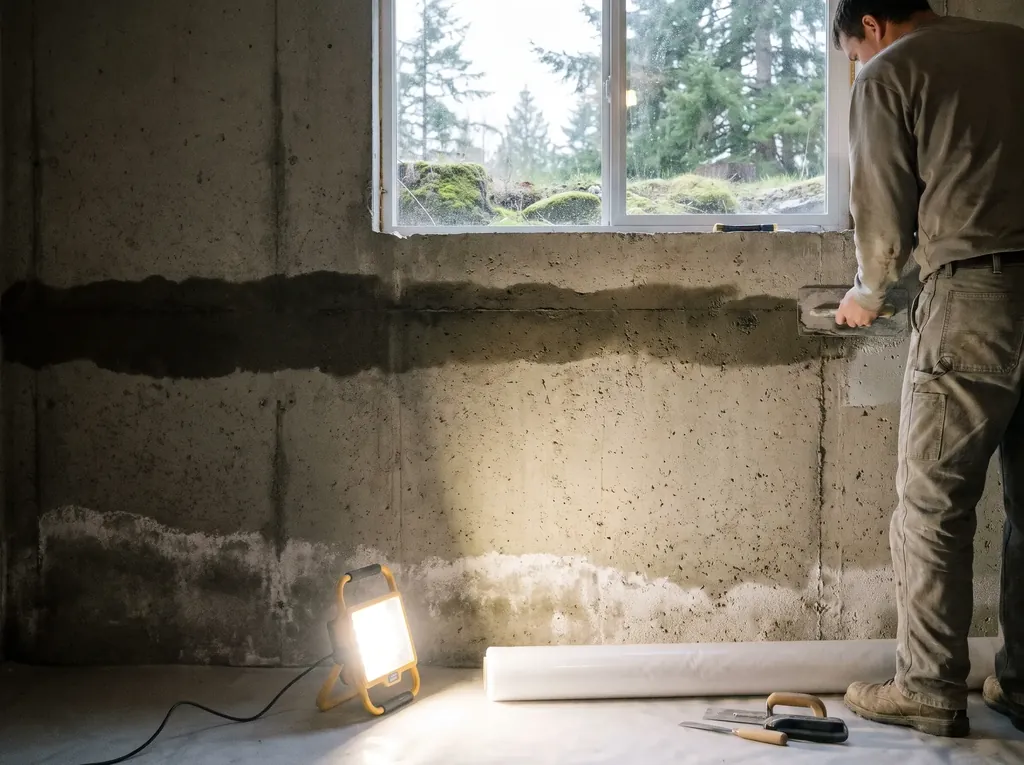
Damp concrete basement wall with water staining

Basement Waterproofing

Seeping walls and wet floors traced to the source, then fixed outside, inside or both.

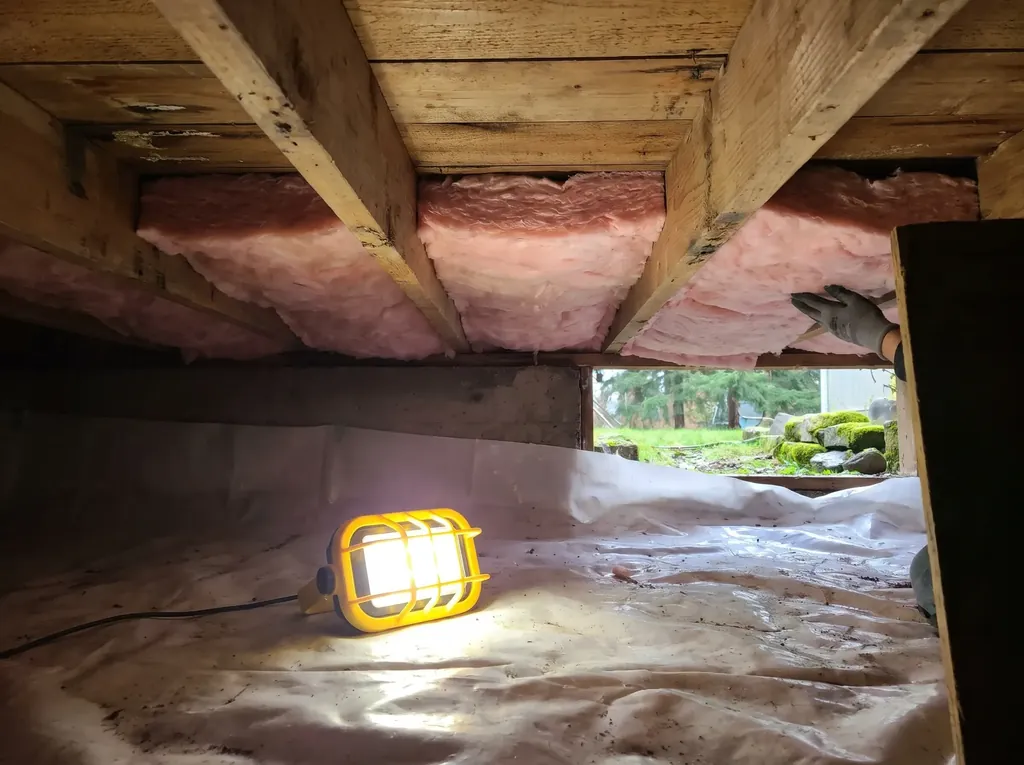
Insulation fitted between crawl space floor joists

Crawl Space Insulation

Floor or wall insulation, chosen to suit whether the crawl space is vented or sealed.

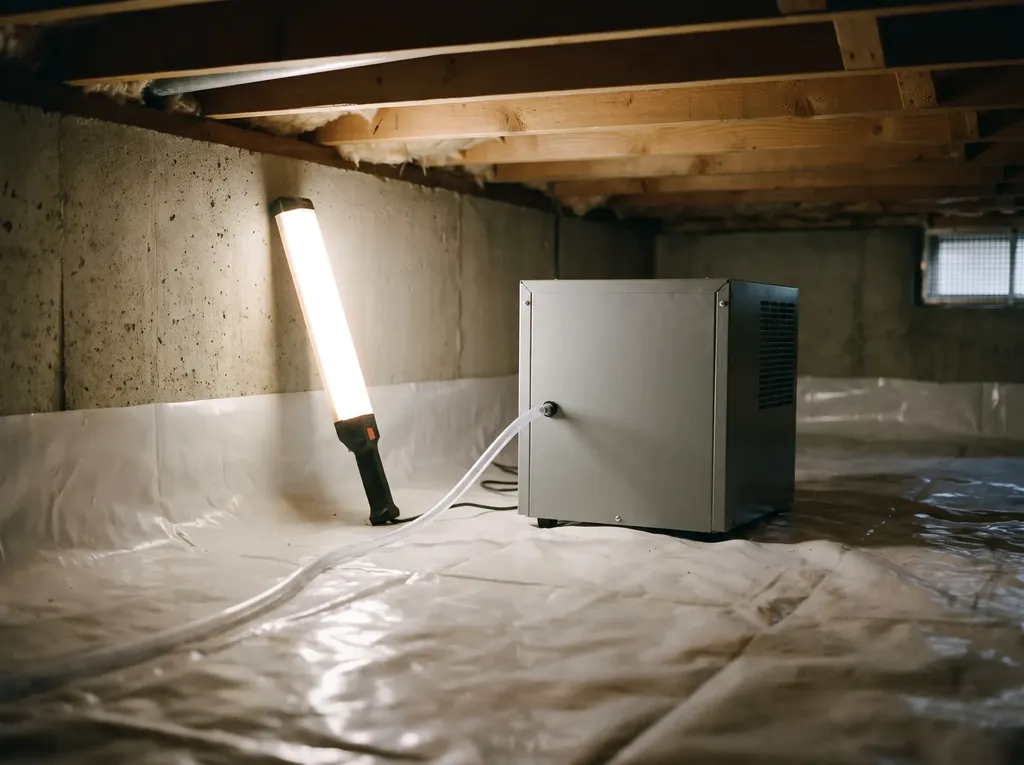
Dehumidifier on a sealed crawl space floor

Crawl Space Dehumidifiers

Sized for the space and drained properly, for sealed crawl spaces that still run damp.

Book a free crawl space inspection

Tell us what is going on under the house and which town you are in. Photos or a home inspection report help us give you a first opinion before we visit.

Standing water, a torn vapor barrier, a musty smell, a sump that runs all winter. Mention any deadline from a home sale.

Free and no obligation. Prefer to talk? Call (360) 555-0163.