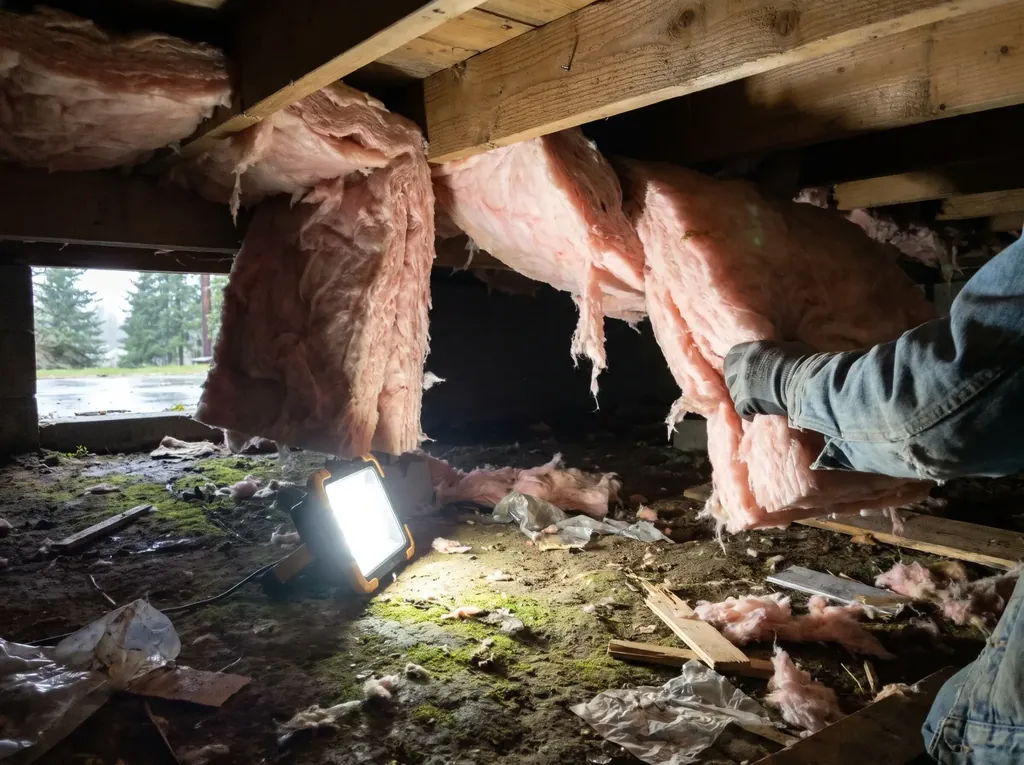
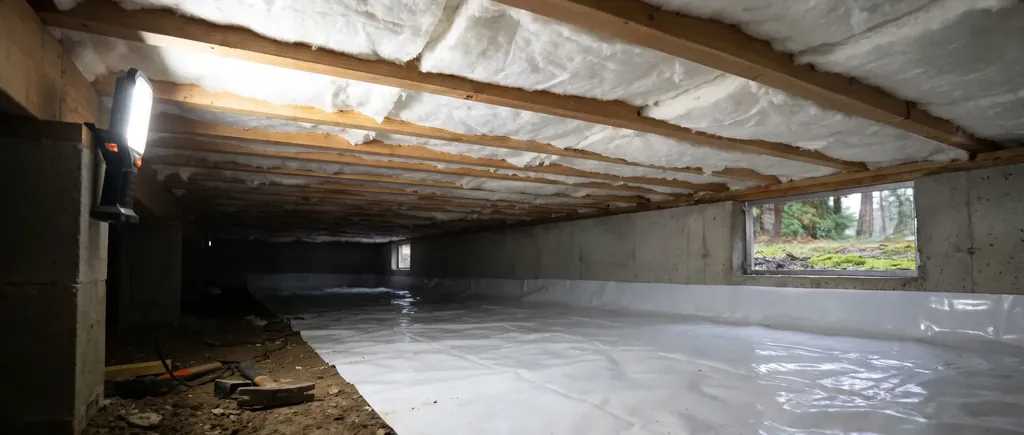
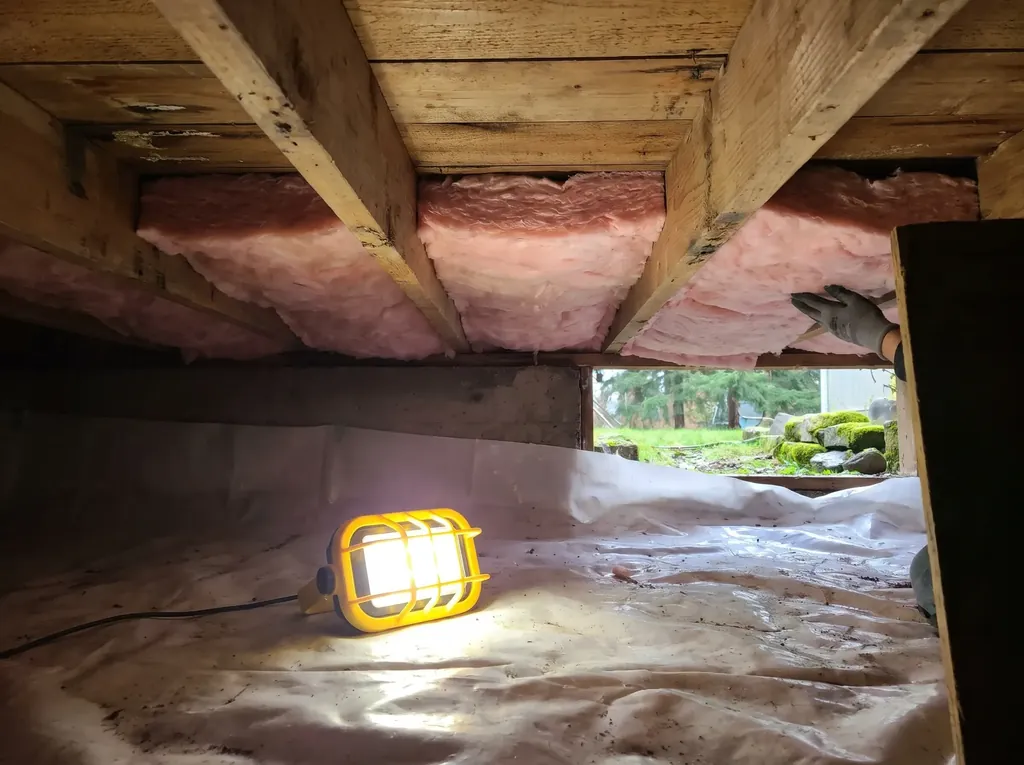
New insulation installed between crawl space floor joists

Crawl Space Insulation in Bellingham

Floor insulation for a vented crawl space, wall insulation for a sealed one, and never new insulation over a moisture problem nobody has fixed.

Dry first, then insulate

  • Free inspections, or send photos first
  • The water source found before anything is quoted
  • We say so when your insulation is fine as it is
  • No structural, mold, pest or radon work, and we tell you who does
Insulation fitted between crawl space floor joists

First question: is your crawl space part of the house or part of the outdoors?

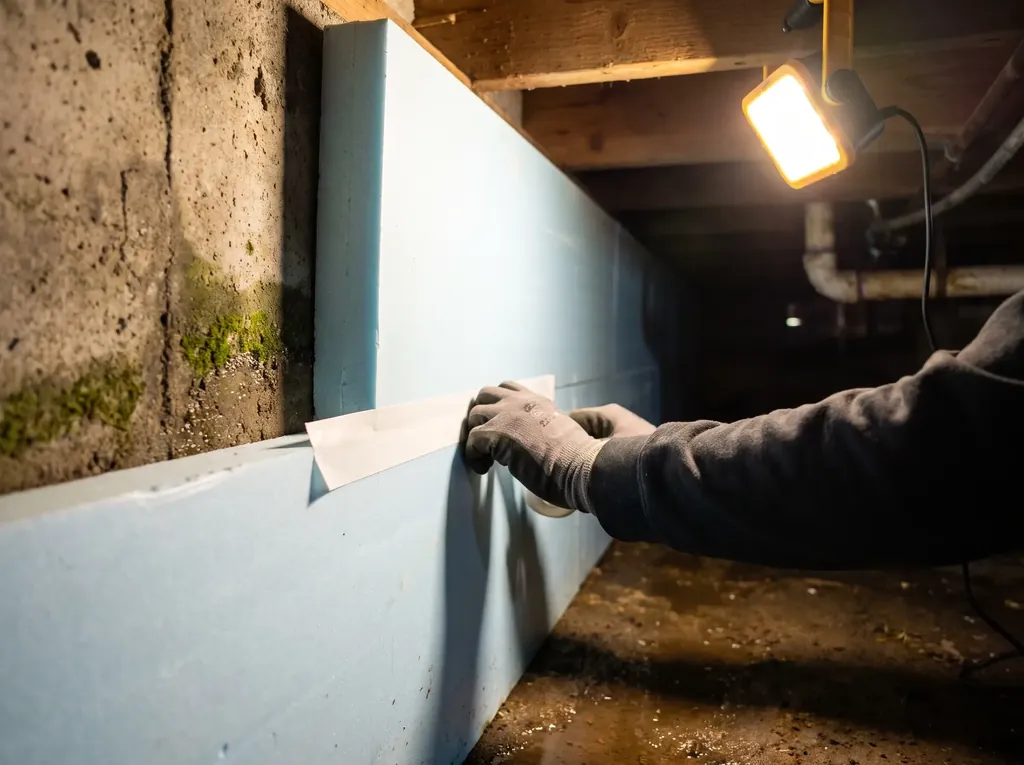
Where crawl space insulation goes depends on how the crawl space is set up. Building Science Corporation's Joseph Lstiburek argues that a crawl space works best either fully outside the house or fully inside it, and that a crawl space brought inside should be insulated at the perimeter walls rather than the floor. DOE's guidance says the same about a crawl space brought inside the thermal envelope: insulate and air-seal the perimeter and lay a continuous sealed ground cover.

So there are two honest answers. If your crawl space is vented, the insulation belongs in the floor above it, holding the cold out of the rooms. If your crawl space is sealed, the insulation moves to the foundation walls and the space becomes part of the house. Mixing the two, such as insulating the walls of a crawl space that still has open vents, means paying for insulation on the wrong side of the problem.

Whatcom County sits in climate zone 4C under Washington's energy code, where the C means marine. Washington's residential energy code puts "Climate Zone 5 and Marine 4" in a single requirement column, so homes here follow the same insulation table as eastern Washington.

Before any of it, the crawl space has to be dry. DOE's guidance says moisture problems in the crawl space or around the foundation must be taken care of before insulating. New insulation over standing water or a leaking pipe is not a fix.

As for energy bills: a Washington State University study found the modeled energy effect of conditioning a crawl space was minimal, and significant only where supply ducts in the crawl space were quite leaky. We will not quote you a savings figure.

Insulation problems we fix

Fallen or sagging floor insulation

Washington's energy code requires floor insulation over a crawl space to stay in permanent contact with the underside of the subfloor, held up by supports no more than 24 inches apart. Batts that have dropped, sagged into a curve or come loose from their supports are not meeting that, and we put back insulation that stays where it belongs.

Wet, soiled or missing insulation

Washington home inspectors must report missing insulation between heated and unheated spaces. Missing, soaked or rodent-soiled insulation is replaced once the cause is fixed. Removal of the old material comes first, through our crawl space cleaning work.

Wall insulation that traps moisture

In a sealed crawl space, the wrong wall insulation can make things worse. WSU researchers found fiberglass batts on crawl space perimeter walls, with a vapor retarder on the inside face, stayed near 100 percent humidity. They called that approach a mistake and recommended foam insulation instead. That was a research finding from cold-climate homes, not a code rule. We replace batts like that with an assembly suited to the wall.

What we do not do

Insulation work happens right next to some problems we do not take on:

Structural repair

If the joists or beams the insulation hangs from are rotted or damaged, that goes to a structural engineer before new insulation goes up.

Mold remediation

If there is mold growth on the framing, a mold remediation company deals with it. We fix the moisture and replace the insulation.

Radon mitigation

Turning a vented crawl space into a sealed one can change radon levels in the crawl space. Washington's code handles radon separately from crawl space sealing, and a sealed crawl space is not a radon mitigation system. We recommend a radon test, and if levels are high, a certified radon mitigation company.

What every insulation job includes

A moisture check first

We look for standing water, damp soil, plumbing leaks and wet framing before we talk about insulation. If the crawl space is not dry, that gets fixed first.

Insulation matched to the setup

For a vented crawl space, insulation in the floor. For a sealed crawl space, insulation on the perimeter walls, with the ground covered and sealed. We explain which you have and why it matters.

Installed to stay put

Floor insulation goes in tight to the subfloor with proper supports, and foundation vents sit below the bottom of the insulation, as Washington's energy code requires.

The access hatch included

Washington's code requires a hatch from the house into the crawl space to be insulated to the level of the surface it sits in, and weatherstripped. It is a small detail that is easy to miss.

Rigid foam insulation board on a crawl space wall

How a crawl space insulation job goes

  1. Send us what you have

    Photos from the hatch, or the insulation notes from your home inspection report.

  2. Free inspection

    We go under the house, check for moisture, and look at what insulation is there, how it is held up and what shape it is in.

  3. Vented or sealed

    We tell you how your crawl space is set up and which insulation approach fits it. If you are thinking about sealing the crawl space, we talk through what that involves before any insulation decision.

  4. Fix the moisture

    Any water, leak or ground cover problem is dealt with first, by us or by the right specialist.

  5. Remove and install

    Old insulation that has to go comes out, and new insulation goes in, supported and in contact with the surface it insulates.

What Washington's energy code says

Washington's current energy code, in effect since March 2024, covers homes in Climate Zone 5 and Marine 4, which includes Whatcom County. In a vented crawl space, Washington's energy code calls for R-30 insulation under the floor, held tight against the subfloor.

When a crawl space is sealed and brought inside the home's insulated envelope, Washington's energy code lets the insulation move from the underside of the floor to the foundation walls, and the WSU Energy Program recommends insulating those walls to the same level as a basement wall, such as R-10 rigid insulation on the outside or R-15 continuous insulation on the inside. That is a recommendation, not a code figure. The code does not list a separate crawl space wall value, so we confirm the insulation plan with the building department when a project calls for it.

For existing homes, the energy code applies new-construction rules only to the parts being altered, and the work must not leave the house using more energy than before. Some crawl space projects need a permit, especially when they add a sump pump, new wiring, drain lines or an exhaust fan, or close up the foundation vents, so we check with the City of Bellingham or Whatcom County before work starts and pull any permits the job requires.

What decides the price

Insulation is priced on the area being insulated, the approach, and what has to happen first. The things that move the number:

Floor or walls

A vented crawl space means insulating the whole floor area. A sealed one means insulating the perimeter walls and sealing the ground.

Size of the crawl space

More square feet of floor, or more linear feet of wall, means more material and more time.

Old insulation coming out

Fallen, wet or soiled insulation may need removing first, which is decided case by case.

Access and headroom

Washington's home inspection rules let inspectors skip crawl spaces with openings under 18 by 24 inches, or less than 18 inches of headroom below the joists. Tight spaces take longer to work in.

Moisture fixes first

Drainage or leak repairs that have to happen before insulating add to the scope.

Book a free inspection and we will tell you what the house needs and what it does not.

Why Whatcom County homeowners call us

We will tell you if your insulation is fine. If the batts are dry, attached and the right depth, there is nothing to sell you, and we would rather you spend the money where it does some good.

We do not insulate over problems. The quickest way to waste an insulation budget is to put it over a crawl space that floods, and we would rather be the company that tells you to fix the drainage first.

We do not push you into sealing the crawl space. In Washington's marine climate, a small WSU study of new homes found vented crawl spaces can perform adequately with good site drainage. If yours is vented and working, floor insulation done properly may be all it needs. If you do want to seal it, our crawl space encapsulation work covers that, with the radon question raised up front.

And every house is different underneath. A Fairhaven bungalow, a Lynden farmhouse and a newer home in Cordata get different answers.
What our customers say

We are only just starting to collect customer reviews. When we do, they will appear here in full, in our customers' own words.

Crawl space insulation questions

What is the required R-value for crawl space insulation in Washington State?

It depends on where the insulation goes. In a vented crawl space, Washington's energy code calls for R-30 insulation under the floor, held tight against the subfloor. For a sealed crawl space, the code lets the insulation move to the foundation walls, and the WSU Energy Program recommends basement-wall levels, such as R-10 rigid insulation on the outside or R-15 continuous insulation on the inside. The code does not list a separate crawl space wall value, so we confirm the insulation plan with the building department when a project calls for it.

Do you need insulation in an encapsulated crawl space?

Usually yes, but in a different place. When a crawl space is sealed and brought inside the house, DOE's guidance is to insulate and air-seal the perimeter walls and lay a continuous sealed ground cover. The floor above no longer needs insulating against the crawl space, because the crawl space is now part of the heated envelope.

What type of insulation is best for an encapsulated crawl space?

For the perimeter walls, the research we rely on points to foam. A Washington State University study found fiberglass batts on crawl space walls with a vapor retarder on the inside face stayed near 100 percent humidity, called that a mistake, and recommended foam insulation instead. That was a research recommendation from cold-climate homes, not a code rule, and it is the approach we follow on perimeter walls.

How much does it cost to insulate a 1000 sq ft crawl space?

It depends on whether the insulation goes in the floor or on the walls, whether old insulation has to come out first, how tight the crawl space is and whether any moisture work comes first. Two 1,000 square foot crawl spaces can be very different jobs. After a free inspection we can tell you what it needs and what it does not.

Should I open crawlspace vents in summer?

If your crawl space is vented, the vents are part of how it is meant to dry. A small WSU study of new homes found that the Northwest's relatively dry summers, with low dew points, let vented crawl spaces perform adequately. One thing to know: under Washington's code, vents fitted with operable louvers come with a requirement for a radon vent. A sealed crawl space is built without vents, so there is nothing to open.

Where we insulate crawl spaces

We insulate crawl spaces across Whatcom County: Bellingham, Ferndale, Lynden, Blaine, Everson, Sudden Valley, Birch Bay, Sumas, Deming and Custer, plus the rural roads in between.

Our service areas

Other crawl space and waterproofing services

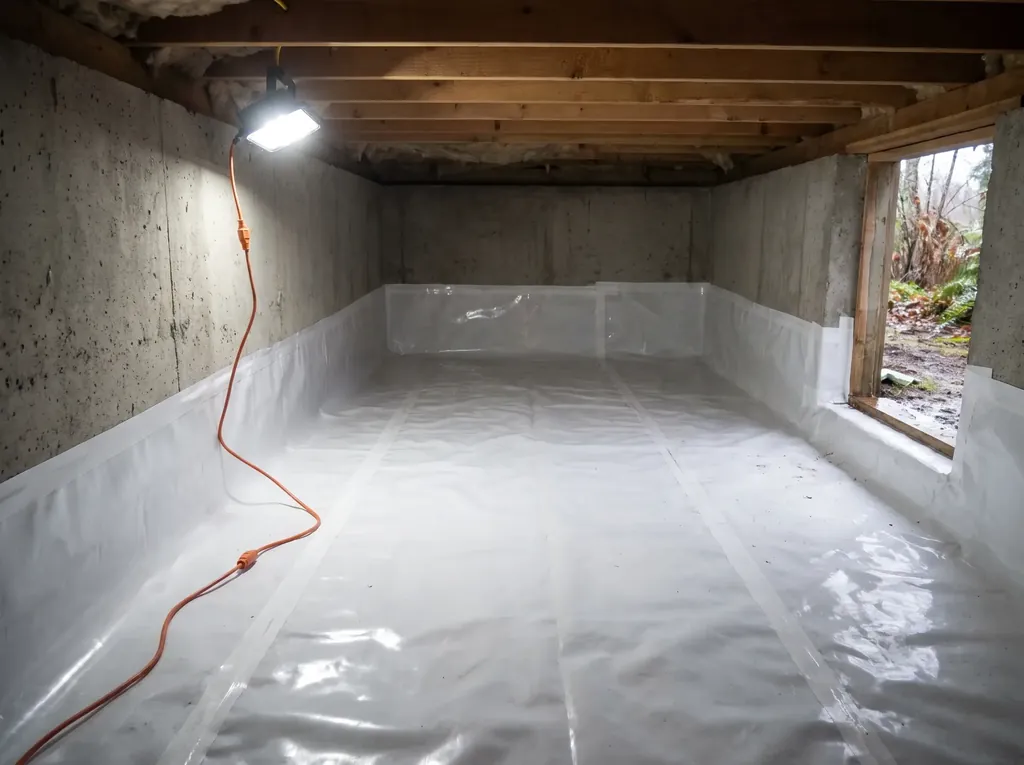
Encapsulated crawl space with sealed white liner

Crawl Space Encapsulation

Ground and walls lined and sealed, with the moisture source fixed first, for crawl spaces that should be part of the house.

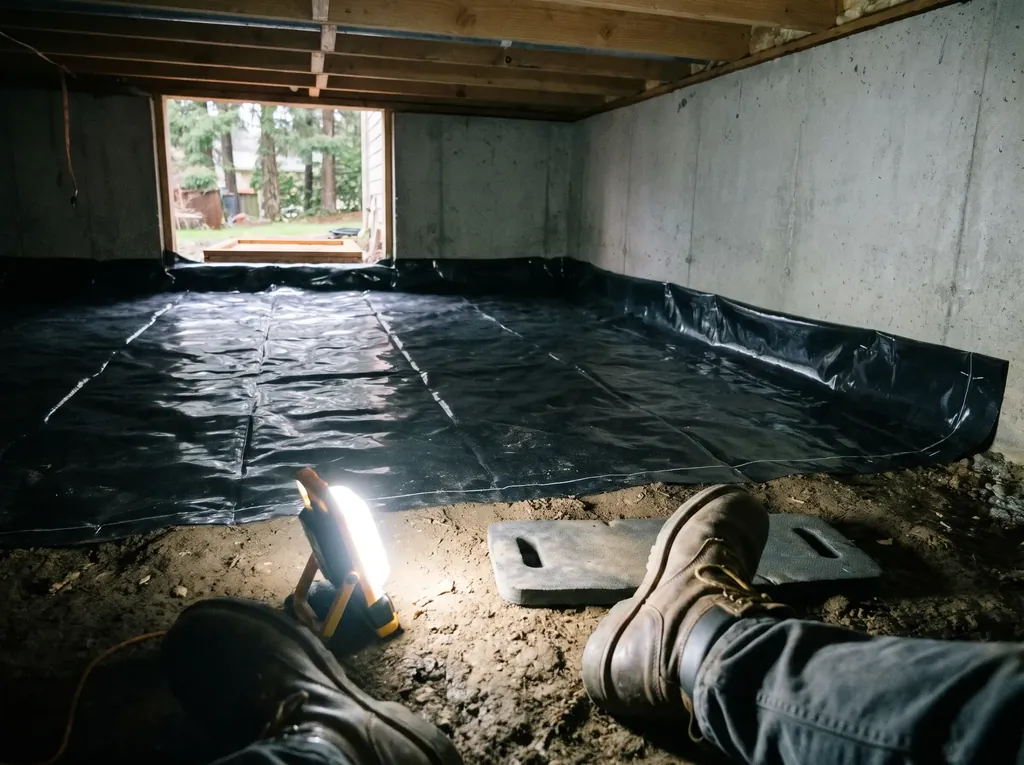
New plastic vapor barrier laid over crawl space ground

Crawl Space Vapor Barriers

New ground cover, lapped, taped and run to the walls. Can be all a well-drained vented crawl space needs.

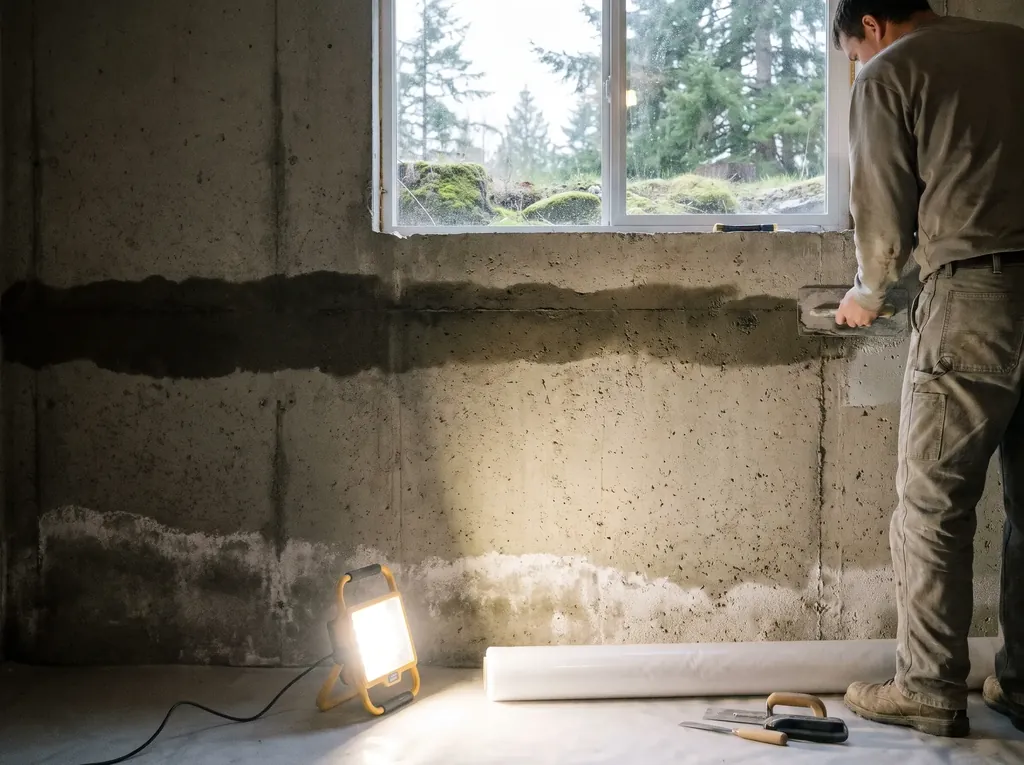
Damp concrete basement wall with water staining

Basement Waterproofing

Seeping walls and wet floors traced to the source, then fixed outside, inside or both.

Dehumidifier on a sealed crawl space floor

Crawl Space Dehumidifiers

Sized for the space and drained properly, for sealed crawl spaces that still run damp.

Book a free crawl space inspection

Tell us what you know about the insulation under your house, even if that is just a note from an inspection report. A photo from the hatch helps. We will get back to you to book a look.

Standing water, a torn vapor barrier, a musty smell, a sump that runs all winter. Mention any deadline from a home sale.

Free and no obligation. Prefer to talk? Call (360) 555-0163.