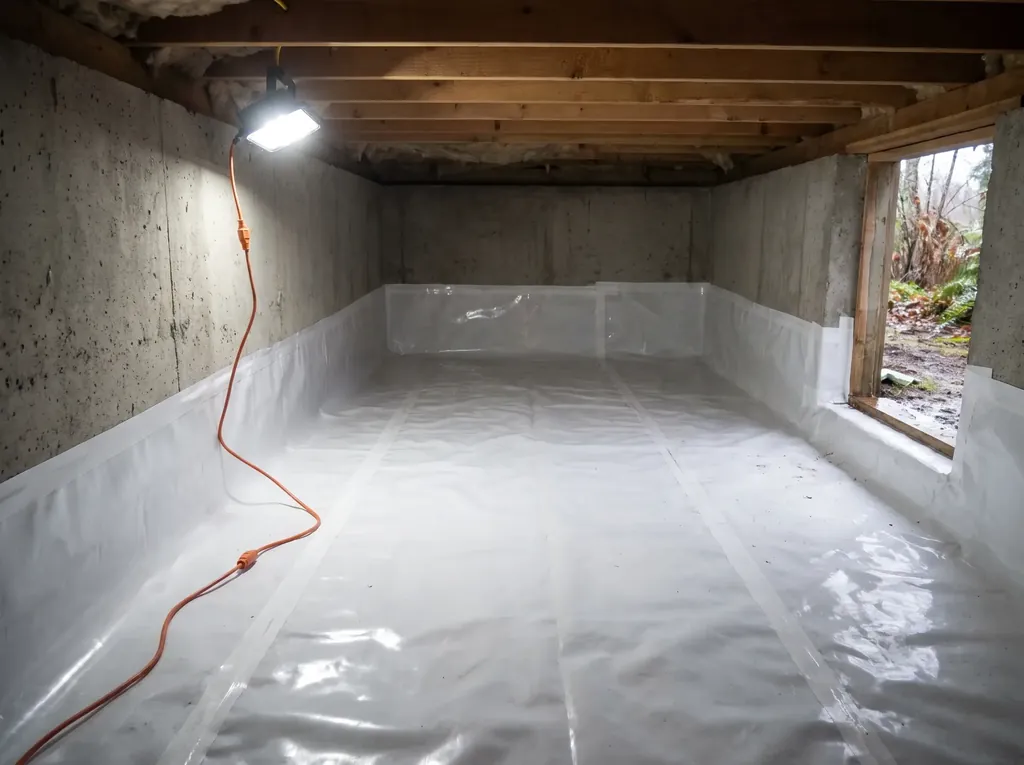
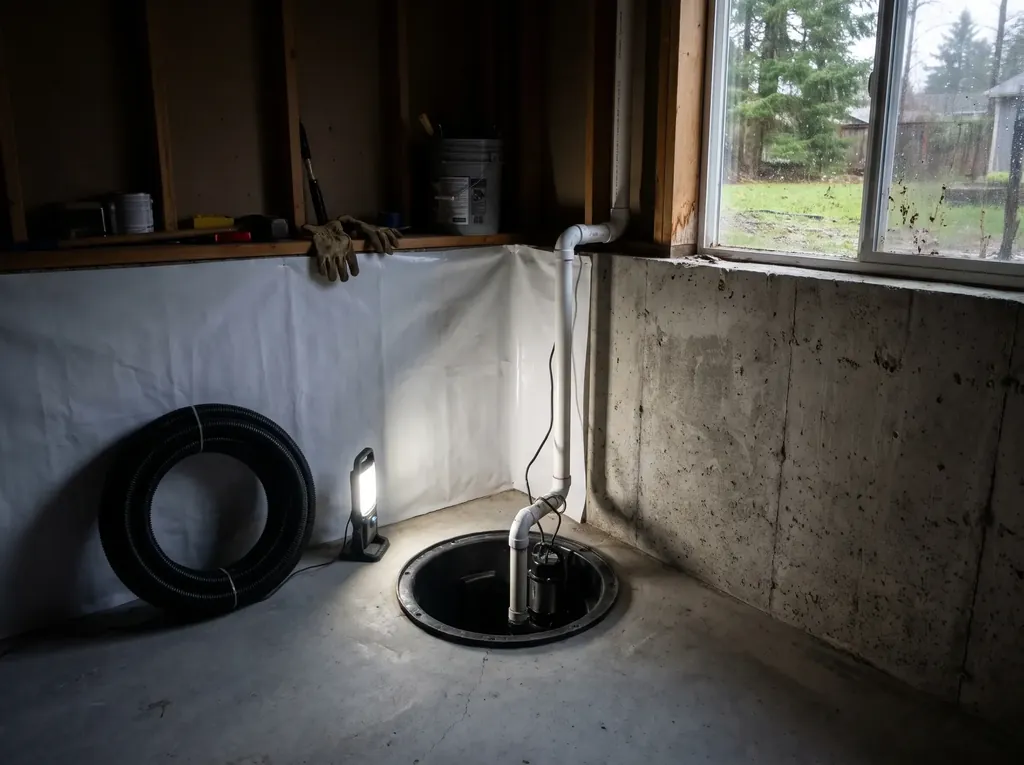
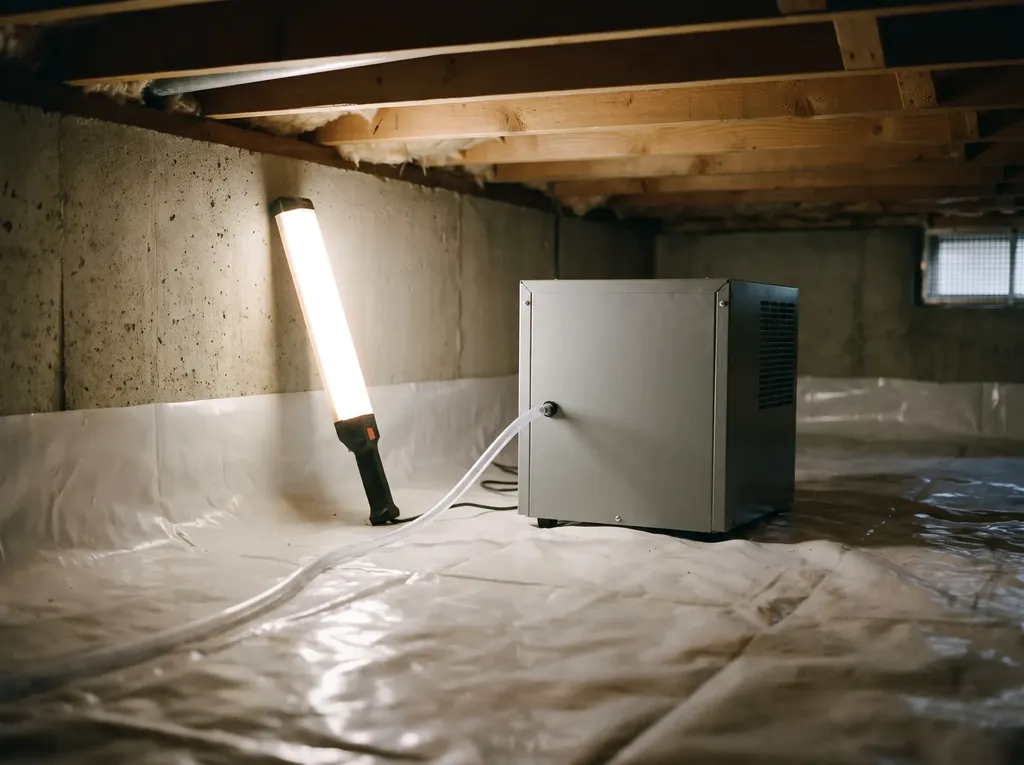
Unfinished basement with an interior drainage channel along the wall

Basement Waterproofing in Bellingham

A basement that is dry all summer and damp by November is a clue that the water is coming from outside, when the ground is soaked. We trace it to the source, fix what sends water toward the house, and add drainage inside or out only where it is really needed.

Traced to the source, not just sealed over

  • Free wet basement inspection
  • The water source fixed first
  • A straight answer when the fix is outside
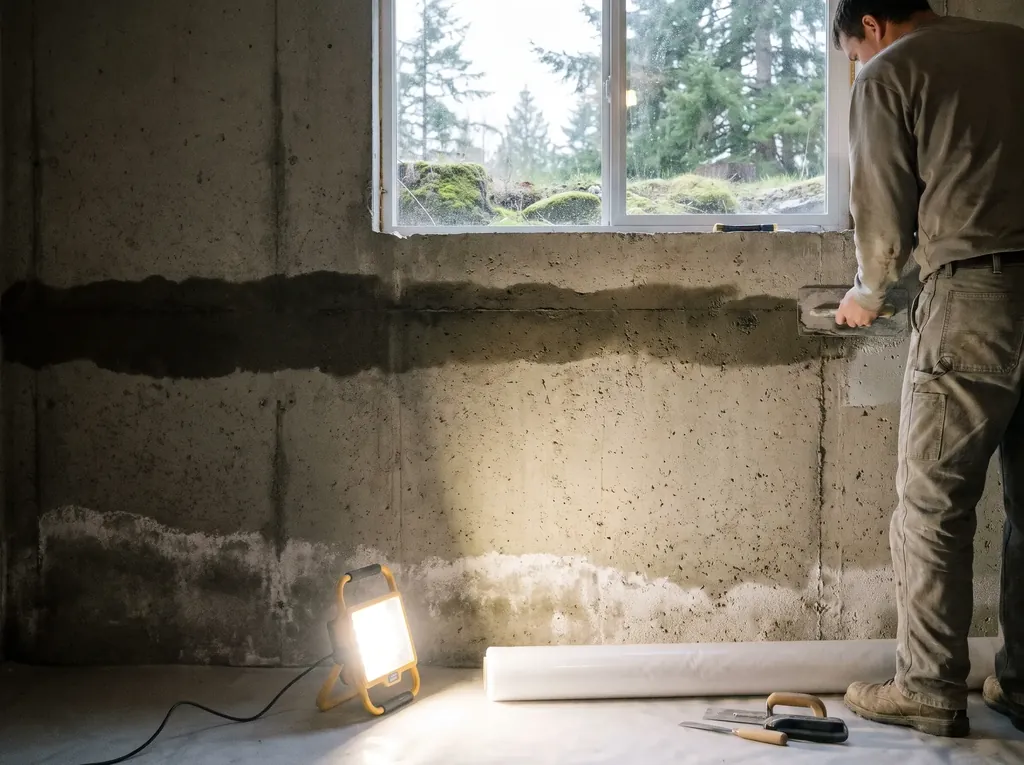
Damp concrete basement wall with water staining

Start outside the house

Bellingham gets about 35 inches of rain a year at the airport, and about half of it falls between October and January. November is the wettest month on average.

Before anyone sells you an interior drainage system, it is worth looking at the obvious things. The EPA tells homeowners to fix plumbing leaks, keep gutters clean and repaired, and make sure the ground slopes away from the foundation. A downspout emptying at the base of the wall, or a garden bed that has crept up and now slopes toward the house, can put a lot of water exactly where you do not want it. On a hillside lot, the runoff from above can do the same.

Sometimes fixing those is the whole job. Sometimes it is the first half, and the basement still needs drainage to carry away the water that reaches the walls and floor anyway. Either way, you should know which parts of the quote deal with the cause and which deal with the symptom.

Basement waterproofing is a smaller part of what we do than crawl space work. The thinking is the same: find the water, fix the source, then manage what is left.

What basement waterproofing fixes

Walls that seep after heavy rain

Damp patches, white staining and trickles down the wall after a long rain. The International Residential Code requires foundation walls that hold back earth around below-grade interior spaces to be dampproofed, and calls for waterproofing instead where a high water table or other severe soil-water conditions are known to exist.

Water on the floor

Puddles along the edge of the floor or water coming up after a storm. One interior approach described by Iowa State University Extension is to remove a strip of floor along the wall and lay drain tile in gravel, sloped to a sump.

Roof and surface water aimed at the house

Short downspouts, clogged gutters and ground that slopes the wrong way. The DOE's guidance is to carry downspout water to sloping ground more than 5 feet from the foundation, or to an underground system more than 10 feet away.

What basement waterproofing is not

We keep water out of basements and crawl spaces. Some problems that look like a wet basement belong to someone else, and we will tell you when we see one:

Structural foundation repair

Walls that are bowing, leaning or cracking in a way that suggests movement, and footings that are settling, go to a structural engineer before any waterproofing is done.

House lifting

We do not lift or level houses.

Mold remediation

Drying out a basement is not mold removal. The EPA says water-damaged areas should be dried within 24 to 48 hours to prevent mold growth, and that porous materials may have to be thrown away if they become moldy. If mold needs removing, we will point you to a mold remediation company.

Radon mitigation

If you are finishing a basement, it is a good time to test for radon. Washington's Department of Health says the only way to know a home's level is to test, and encourages contacting a certified radon mitigation company if it is elevated.

What every waterproofing job includes

A look outside first

We walk the outside of the house: gutters, downspouts, grading, window wells and anything built up against the foundation. The International Residential Code calls for finished ground to fall at least 6 inches within the first 10 feet away from the foundation. We check whether yours does.

A look inside to find where water enters

Where the stains are, when they appear, and whether the water shows up on the walls, on the floor or both.

A fix aimed at the cause

Outside fixes come first when they will help: downspouts carried away from the house, grading corrected, water directed away from the walls. Where drainage is needed, we explain whether it belongs outside along the footing or inside under the floor, and why.

Somewhere for the water to go

Every drain needs an outlet. The DOE lists daylight, a drywell, a storm sewer or a sump pump, with daylight outlets at least 10 feet from the foundation. We plan the outlet before we dig.

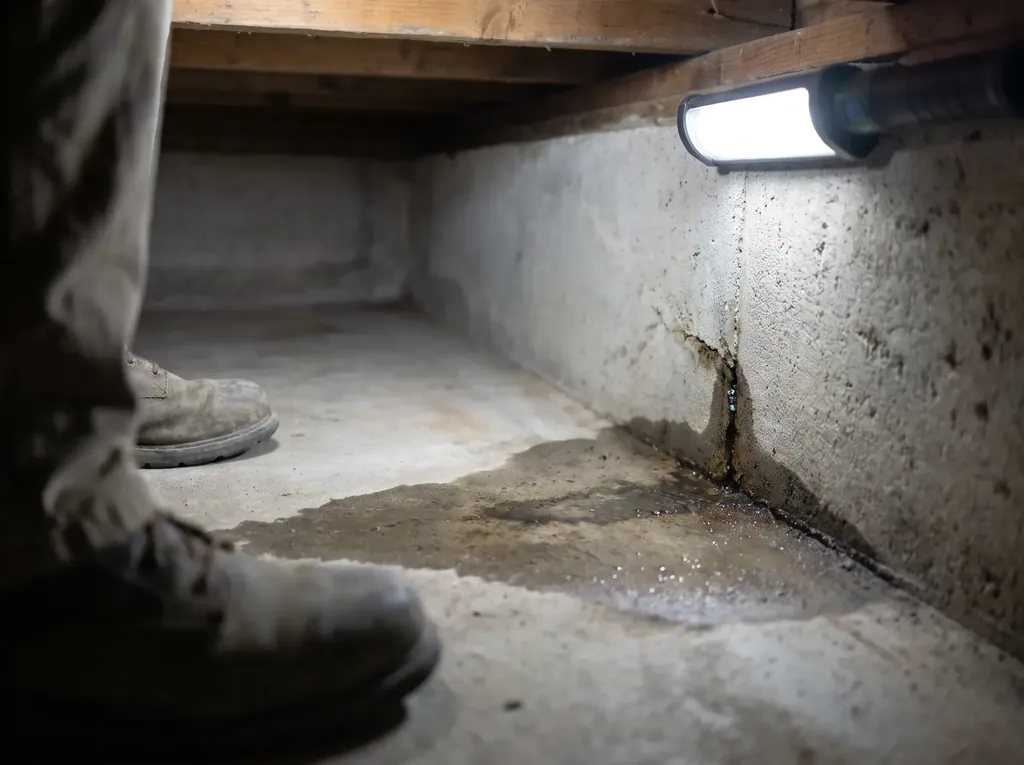
Water seeping where a basement wall meets the floor

How a basement waterproofing job goes

  1. Tell us when it gets wet

    After every rain, only in big storms, or only in late fall and winter? When it happens is one of the best clues to where it comes from.

  2. Inspect inside and out

    We look at the walls and floor inside, and at the gutters, downspouts and grading outside.

  3. Recommend the smallest fix that works

    If the problem is roof water and grading, we say so and quote that. If drainage is needed, we explain the options and what each one involves.

  4. Fix the outside

    Downspouts and grading are usually done first. They are often the least disruptive part of the work.

  5. Install drainage where it is needed

    Exterior drains along the footing or an interior drain under the floor edge, run to a sump or another outlet.

  6. Test and hand over

    We run water where we can to check the system and walk you through how it works.

Every drain has to end somewhere

Waterproofing is really water moving. Whether the drain runs outside along the footing or inside along the floor, the water it collects has to go somewhere that is not back toward the house.

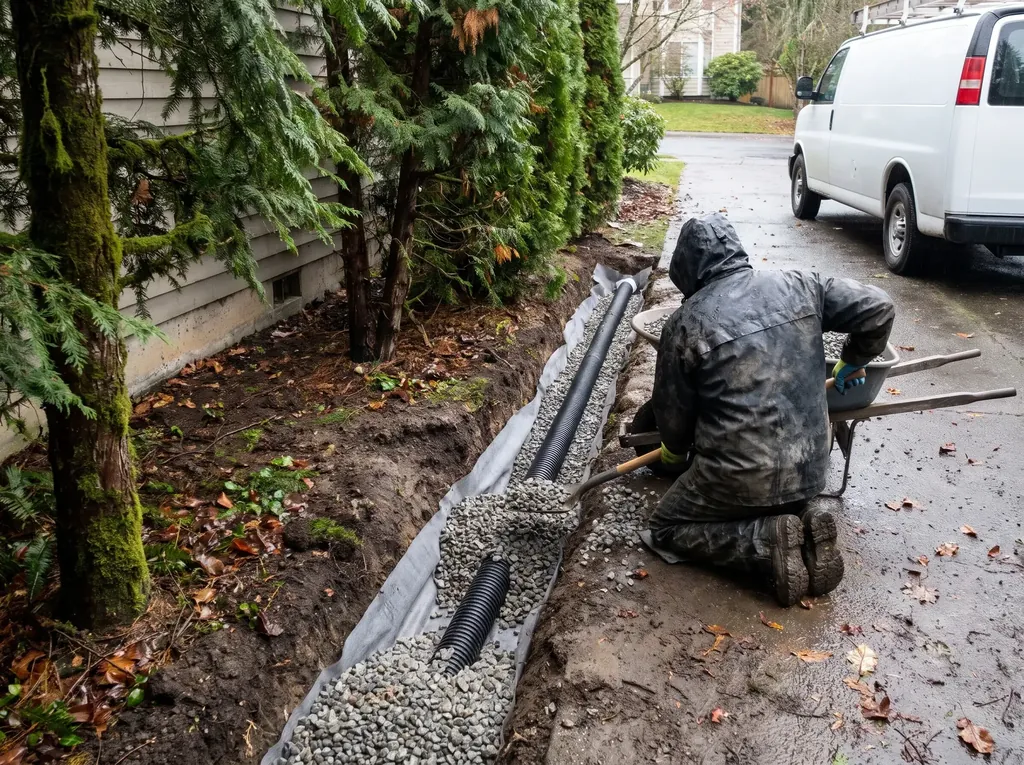
The DOE describes a footing drain as perforated pipe laid perforations down beside the footings, never on top of them, in a trench with at least 6 inches of washed gravel wrapped in landscape fabric. It can drain to daylight, a drywell, a storm sewer or a sump pump. A footing drain can discharge into a sump pump set in the basement floor, which then pumps the water to daylight or another suitable outlet. Roof water from the downspouts goes in its own line, kept separate from the foundation drain.

In Bellingham, groundwater, stormwater and other drainage water are generally not allowed into the sanitary sewer without the City's specific approval, so we never tie a sump pump or footing drain into your sewer line.

We route sump and drain water away from the house to an approved outlet, and we check with the City before any connection to the storm system or any work in the street right-of-way. Some projects need a permit, especially when they add a sump pump, new wiring, drain lines or an exhaust fan, so we check with the City of Bellingham or Whatcom County before work starts and pull any permits the job requires.

What decides the price

The price of basement waterproofing ranges widely, because the fix ranges from extending a downspout to digging along a whole wall. The things that move the number:

Where the water comes from

Roof water and grading problems can be simpler to fix than water coming up through the soil.

Inside or outside

The interior approach Iowa State University Extension describes means removing and replacing a strip of floor. Exterior drainage means digging down to the footing.

How wet the site is

Very wet sites may need drain tile under the floor or exterior drains as well as interior work.

The outlet

Whether the water can drain to daylight or needs a sump pump to lift it out.

What is in the way

Finished walls, flooring, decks, patios and landscaping along the foundation all add work.

Book a free inspection and we will tell you what the house needs and what it does not.

Why Whatcom County homeowners call us

We do not lead with the biggest system. A wet basement is stressful, and that makes it easy to sell someone an interior drainage system when a downspout and a bit of regrading would have done. We look at the cheap fixes first, and we tell you if they are likely to be enough.

We separate cause from symptom. Your quote will say which parts stop water reaching the house and which parts deal with the water that still gets in, so you can decide what to do now and what can wait.

We are straight about the edges of our work. If a wall shows signs of movement, you hear that it needs a structural engineer before anyone waterproofs it. If there is mold to remove, you hear that it needs a mold remediation company.

And we plan the outlet. A drain that empties beside the foundation, or into a pipe where it is not allowed to go, is not a fix.

Warranty details are confirmed in writing with your quote.
What our customers say

We are only just starting to collect customer reviews. As they come in, they will appear here in full, in our customers' own words.

Basement waterproofing questions

Should I waterproof my basement from the inside or outside?

It depends on where the water is coming from and what is around the house. Outside work deals with water before it reaches the wall: downspouts, grading and a footing drain beside the footings. Inside work, such as a drain laid in gravel along the edge of the floor and run to a sump, deals with water that reaches the basement anyway. Very wet sites can need both. We start outside, because it can be the simpler fix.

Why is water coming up through my basement floor after heavy rain?

It means water is collecting under the house, and the job is finding out where it comes from. The first things to check are the ones sending extra water toward the house: downspouts that empty near the wall and ground that slopes the wrong way. If that is not the answer, Iowa State University Extension notes that very wet sites may need drain tile under the floor or exterior drains, not just along the walls.

What is the most affordable way to waterproof a basement?

Start outside. Clean and repair the gutters, carry downspout water more than 5 feet from the foundation onto sloping ground, and make sure the ground falls away from the house. Those are the simplest fixes on the list, and sometimes they are enough.

Can you fix a basement that floods every time it rains?

That depends on why it happens. Start with roof water and grading close to the house, which the EPA lists among the moisture sources homeowners should control. If outside fixes are not enough, drainage to a sump that pumps the water to a suitable outlet is one next step. If the basement has standing water now, our wet basement cleanup crew can pump it out and remove wet materials first.

Will insurance pay for basement waterproofing?

Check your policy before counting on it. Washington's Office of the Insurance Commissioner says a homeowner policy will not cover flooding, which needs separate flood insurance. One state insurance regulator notes that seepage through a foundation wall or floor is often treated as a maintenance issue. Coverage varies widely, so read your own policy and ask your agent.

What is the average cost to waterproof a basement?

There is no useful average, because the job can be anything from a downspout extension to drainage along every wall. The price depends on where the water comes from, whether the work is inside or outside, how wet the site is, and where the water can drain. After a free inspection we can tell you what it needs and what it does not.

Where we work

We fix wet basements across Whatcom County: Bellingham, Ferndale, Lynden, Blaine, Everson, Sudden Valley, Birch Bay, Sumas, Deming and Custer.

Our service areas

Other crawl space and waterproofing services

Encapsulated crawl space with sealed white liner

Crawl Space Encapsulation

Ground and walls lined and sealed, with the moisture source fixed first, for crawl spaces that should be part of the house.

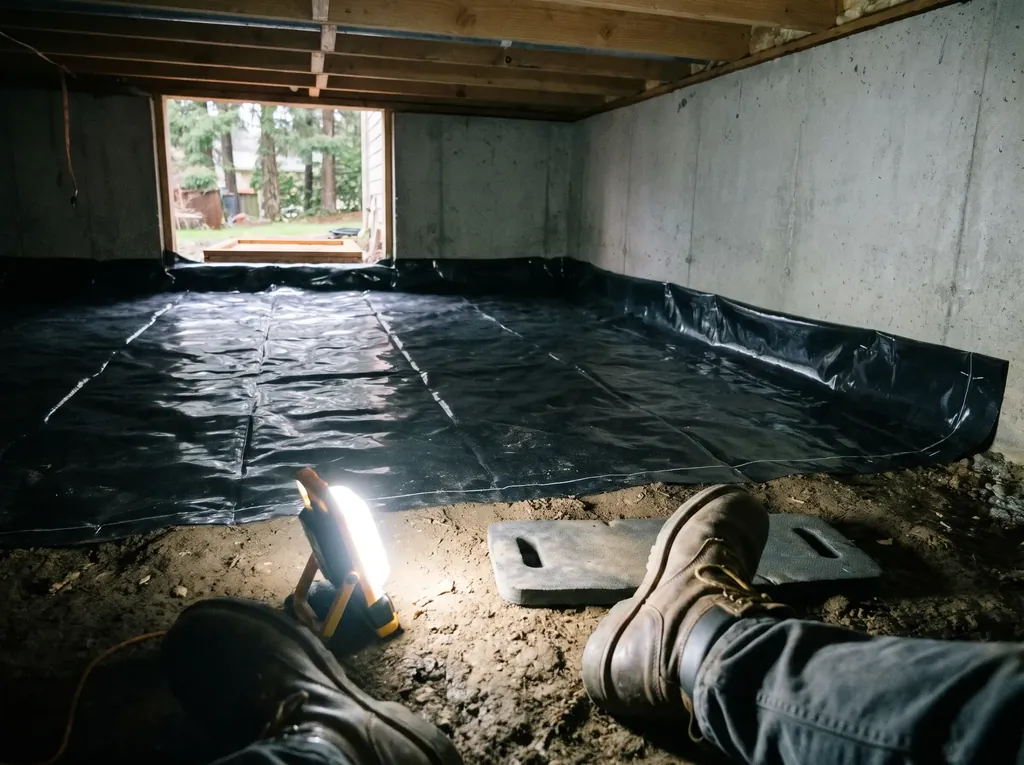
New plastic vapor barrier laid over crawl space ground

Crawl Space Vapor Barriers

New ground cover, lapped, taped and run to the walls. Can be all a well-drained vented crawl space needs.

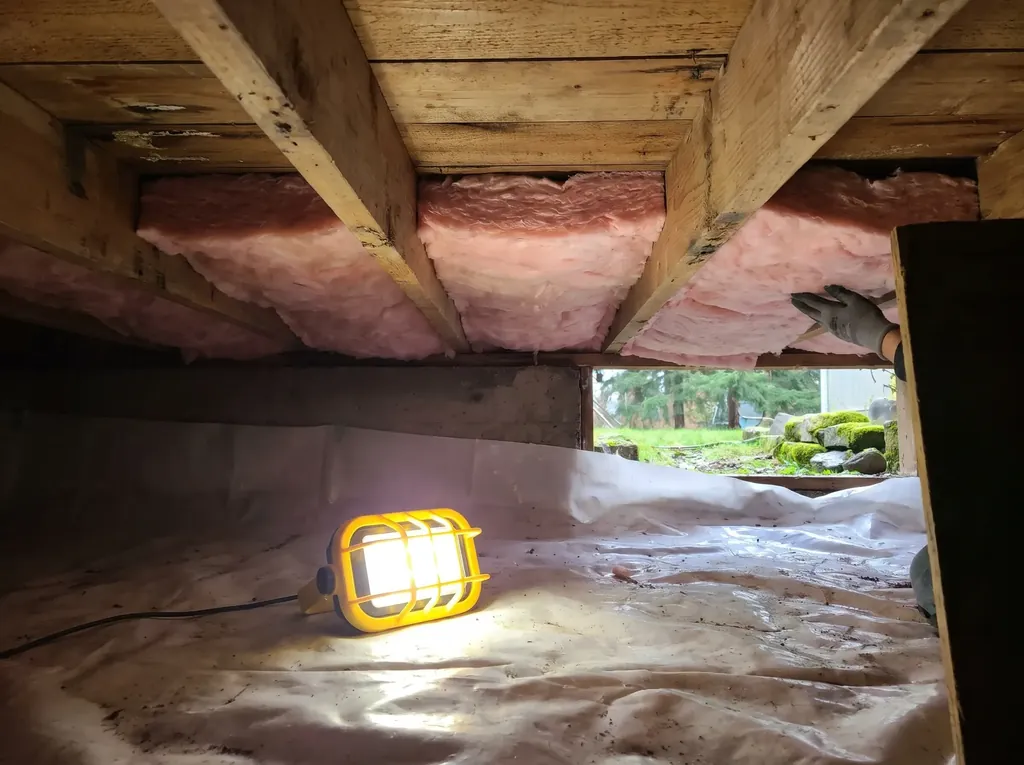
Insulation fitted between crawl space floor joists

Crawl Space Insulation

Floor or wall insulation, chosen to suit whether the crawl space is vented or sealed.

Dehumidifier on a sealed crawl space floor

Crawl Space Dehumidifiers

Sized for the space and drained properly, for sealed crawl spaces that still run damp.

Book a free wet basement inspection

Tell us when the basement gets wet, where the water shows up and which town you are in. Photos help a lot.

Standing water, a torn vapor barrier, a musty smell, a sump that runs all winter. Mention any deadline from a home sale.

Free and no obligation. Prefer to talk? Call (360) 555-0163.