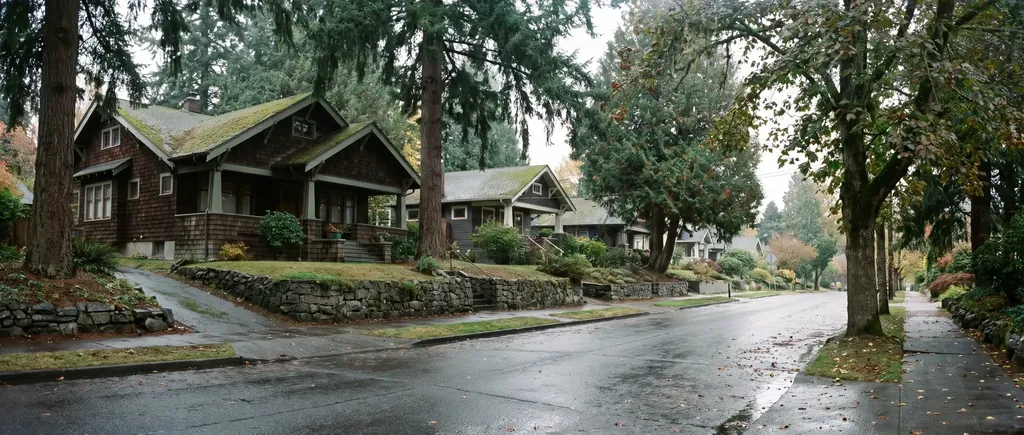
Older craftsman homes on a Bellingham street after rain

Crawl Space Encapsulation in Bellingham

Musty floors, a wet crawl space, a torn vapor barrier on the inspection report. We find where the water is coming from first, then fix what actually needs fixing.

  • Free crawl space inspection
  • Water source found before any fix is quoted
  • Send photos or your inspection report
  • Straight answers when it is another trade's job

Bellingham crawl spaces and the wet half of the year

Under NOAA's 1991 to 2020 climate normals, Bellingham International Airport averages about 35 inches of precipitation a year. About half of it falls from October through January. That is when crawl space trouble tends to show itself: a musty smell through the floor, a puddle under the hatch, a sump that keeps cycling.

Under an older house, what lies in the crawl space may be whatever the last owner left: a sheet of plastic, a patchwork of pieces, or bare soil. On hillside lots, rain that lands uphill of the house runs downhill toward it, and the foundation is the first thing in its way.

Newer homes have their own version: a ground cover torn by someone running cable, or a downspout that slipped off its extension.

So we look for the water before we talk about liners or machines. EPA's list of moisture sources to control is short: plumbing leaks, gutters, and ground that does not slope away from the house. Sometimes the fix is a downspout line and a new vapor barrier. Sometimes it is a drain or a sump. We will tell you which, and why.

Crawl space and waterproofing work we do in Bellingham

Crawl space encapsulation where sealing suits the house, once the water is under control.

Crawl space vapor barriers to replace torn, patched or missing ground cover under older houses.

Basement waterproofing for basements that seep or puddle in the wet season.

Sump pump installation and replacement, with discharge lines run where the water is allowed to go.

French drains and foundation drainage for hillside lots where runoff heads for the house.

Crawl space cleaning, crawl space insulation and crawl space dehumidifiers for fallen insulation, cold floors and sealed crawl spaces.

What is different about crawl spaces in Bellingham

Hillside runoff

On a sloped lot, the first job is getting water away from the house. DOE guidance is to pipe downspout water more than 5 feet from the foundation to sloping ground, or more than 10 feet to an underground catchment, kept separate from the foundation drain. EPA also advises making sure the ground slopes away from the foundation.

A vented crawl space is not automatically a problem

A small Washington State University study of new homes in the state's marine climate found that, with proper site water management, both vented and sealed crawl spaces can work, and that relatively dry summers let vented crawl spaces perform adequately. An older house with drainage problems may behave differently. EPA's Indoor airPLUS program, which otherwise recommends sealed crawl spaces, exempts homes in a marine climate. We will not tell you a Bellingham house needs encapsulating just because it has vents.

When it is a different specialist

If the inspection report is about cracked or sinking foundation walls, that belongs to a structural engineer. Mold on the framing that needs cleaning or treating goes to a mold remediation company, and a radon question goes to a radon mitigation contractor. We will say so on the spot.

Permits and city drainage rules

Some crawl space projects need a permit, especially when they add a sump pump, new wiring, drain lines or an exhaust fan, or close up the foundation vents, so we check with the City of Bellingham or Whatcom County before work starts and pull any permits the job requires.

In Bellingham, groundwater, stormwater and other drainage water are generally not allowed into the sanitary sewer without the City's specific approval, so we never tie a sump pump or footing drain into your sewer line. We route sump and drain water away from the house to an approved outlet, and we check with the City before any connection to the storm system or any work in the street right-of-way.

Bellingham crawl space questions

What does a crawl space inspection consist of?

Ours is a look under the house at water and moisture, ground cover, insulation, vents, the hatch and signs of rodents, before anyone talks about a fix. A home inspector's check follows Washington's standards, which include reporting signs of moisture, wood rot and pest-conducive conditions. Our guide to crawl space notes in a home inspection report goes through what those notes mean.

Do you really need a vapor barrier in crawl space?

For a crawl space with a dirt floor, yes. Bare soil gives off moisture, and DOE's Building America Solution Center says a crawl space "must always have a ground cover that prevents evaporation of ground moisture into the crawlspace." Washington's residential code also requires a ground cover unless the crawl space has a concrete slab. See crawl space vapor barriers.

What are the crawl space ventilation requirements in Washington State?

Under Washington's current residential code, in effect since March 2024, a vented crawl space needs at least 1 square foot of net vent area per 300 square feet of crawl space floor, placed for cross ventilation, with openings covered by mesh no larger than 1/4 inch. Vent area may drop to 1 per 1,500 square feet when the ground is covered with an approved Class I vapor retarder, and reduced venting or operable louvers bring a radon vent requirement with them. A crawl space without vents needs a sealed vapor barrier, a radon system and a fan that runs all the time. The City of Bellingham building department has the final say on how these rules apply to your home.

Nearby

We also work under homes in Ferndale, Lynden and Blaine, and in Everson, Sudden Valley, Birch Bay, Sumas, Deming and Custer.

Areas we serve

Book a free crawl space inspection in Bellingham

Tell us what you have noticed, or send photos or the crawl space section of your inspection report. We will look under the house and tell you what is really going on.

Standing water, a torn vapor barrier, a musty smell, a sump that runs all winter. Mention any deadline from a home sale.

Free and no obligation. Prefer to talk? Call (360) 555-0163.